I think I enjoy the cooking more than eating, there is nothing better than to watch the smile grow after someone’s first bite. Note from Steve: I am a flow of thought writer and apologize up front if I lose you. My family is used to it.
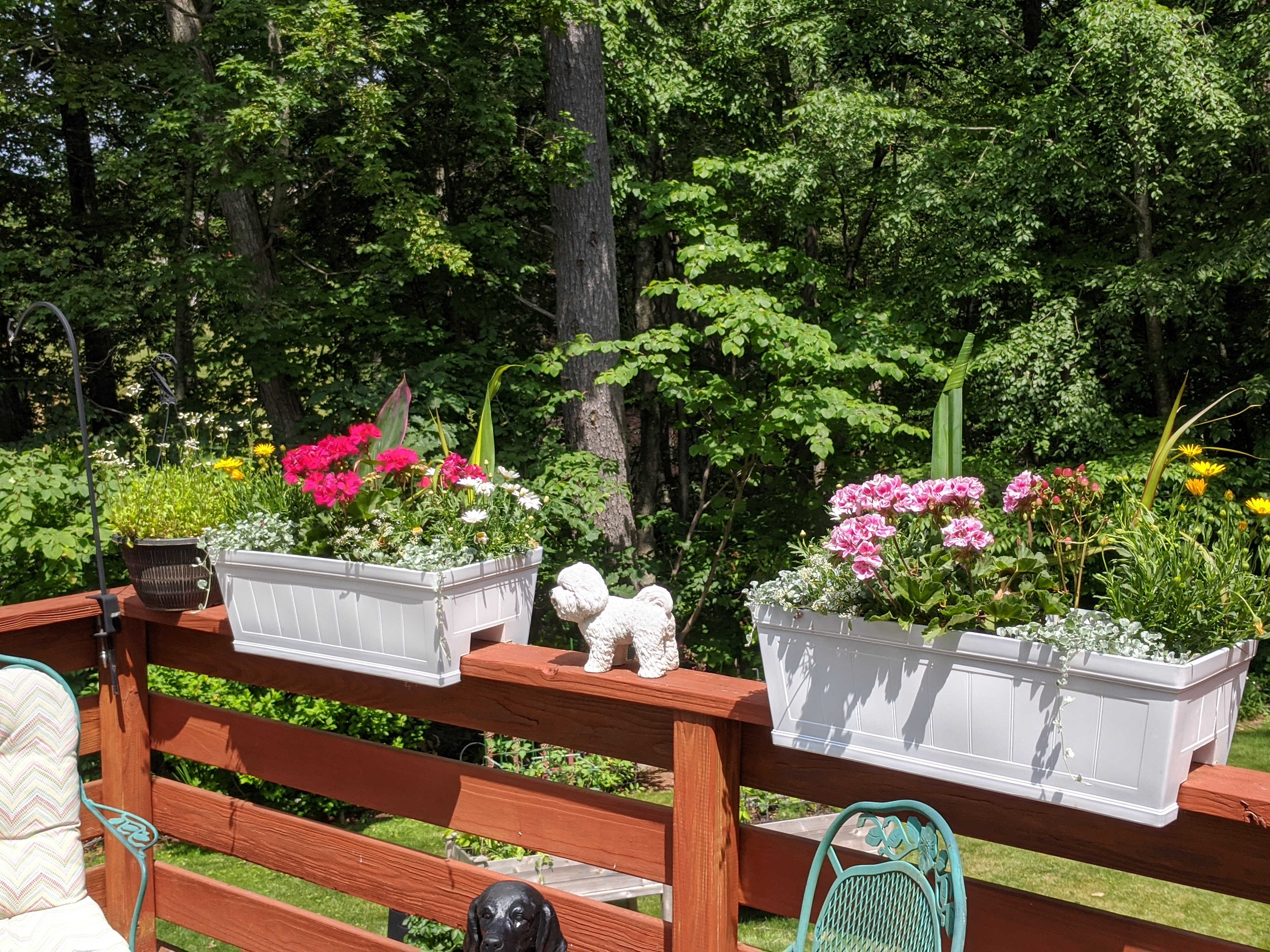
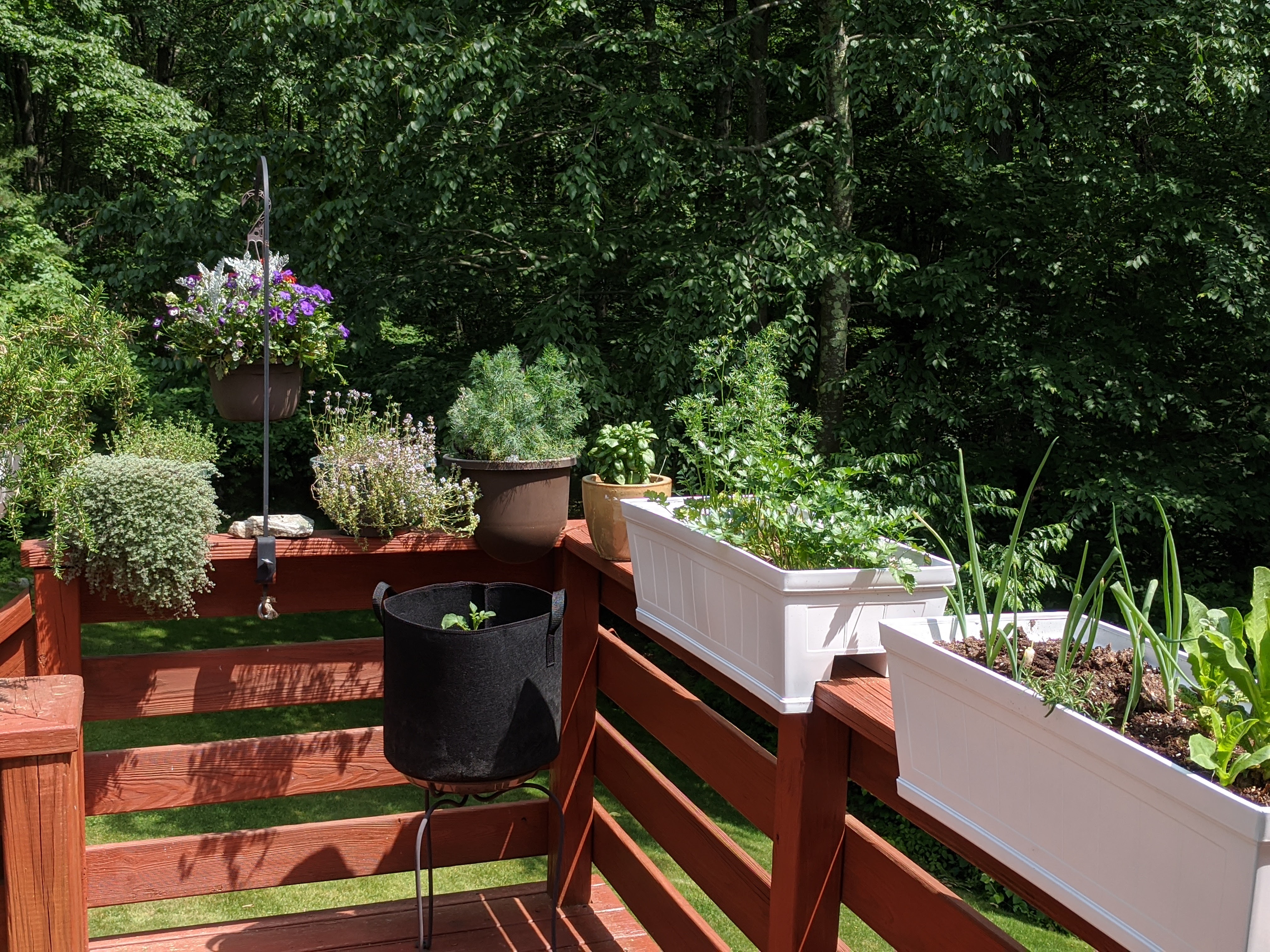
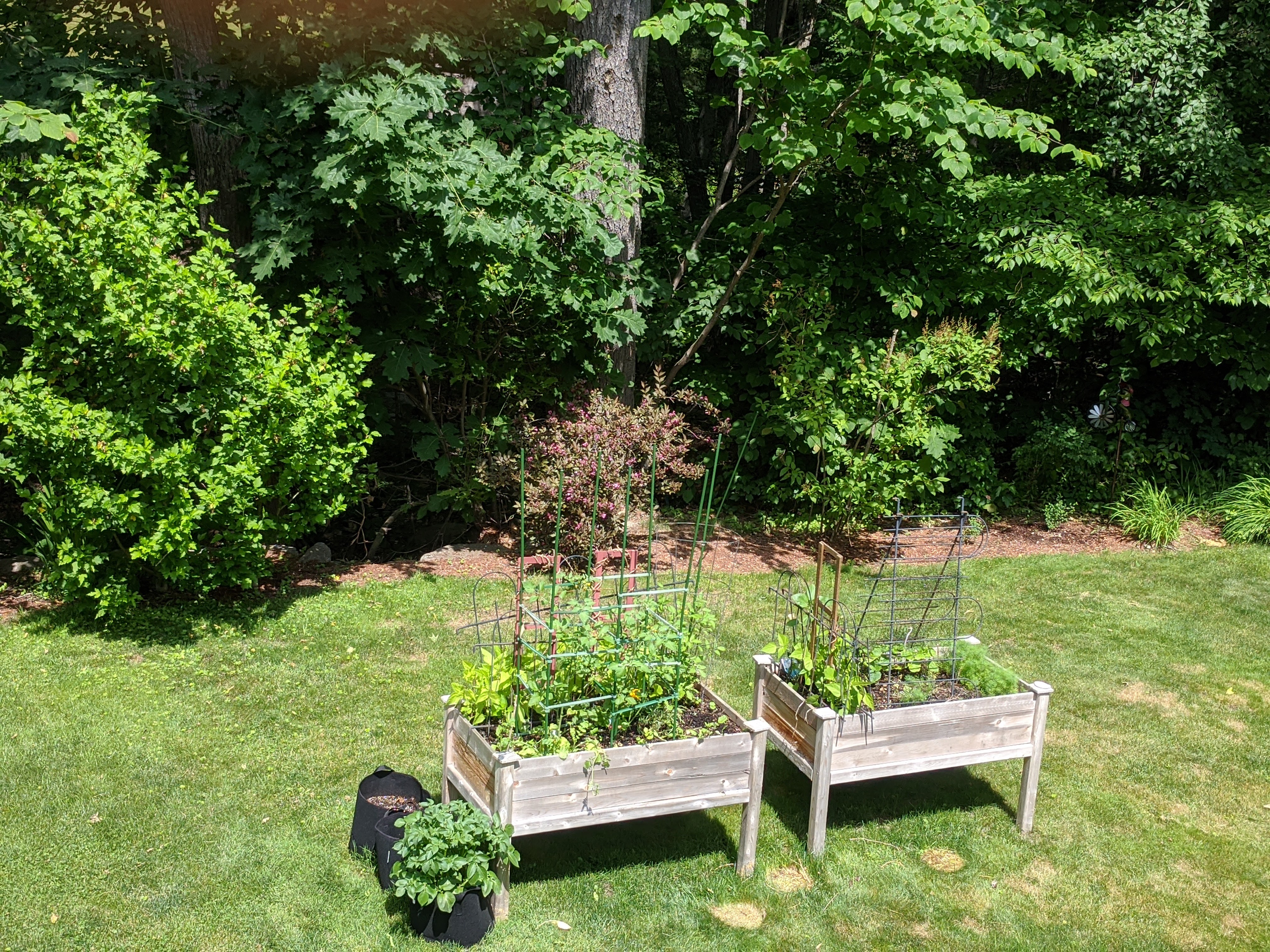
So far the only disappointments were the watermelon radishes bolting during the heat wave and my sweet potatoes just didn’t make it. Other than that I believe it will be a good yield.
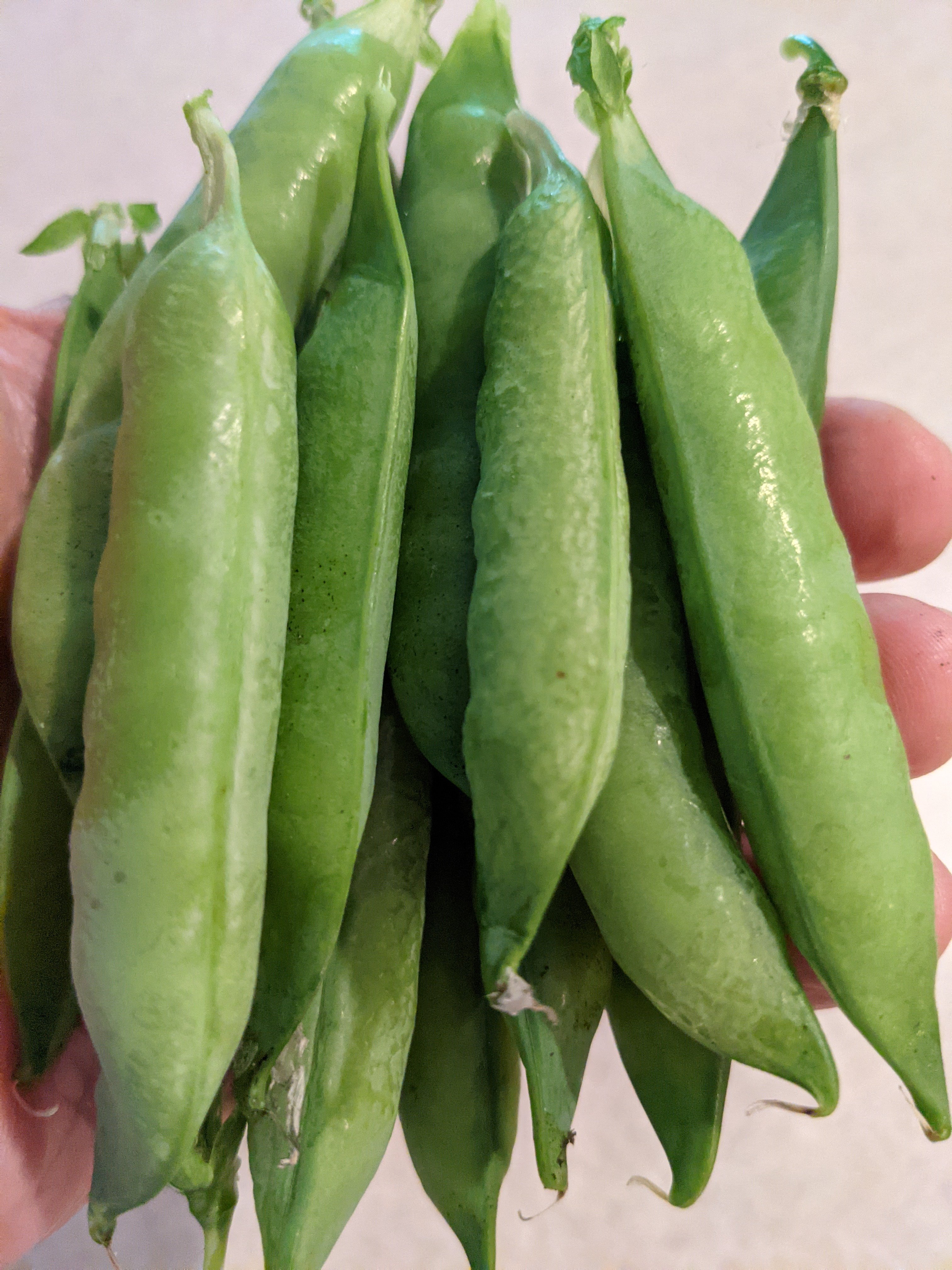
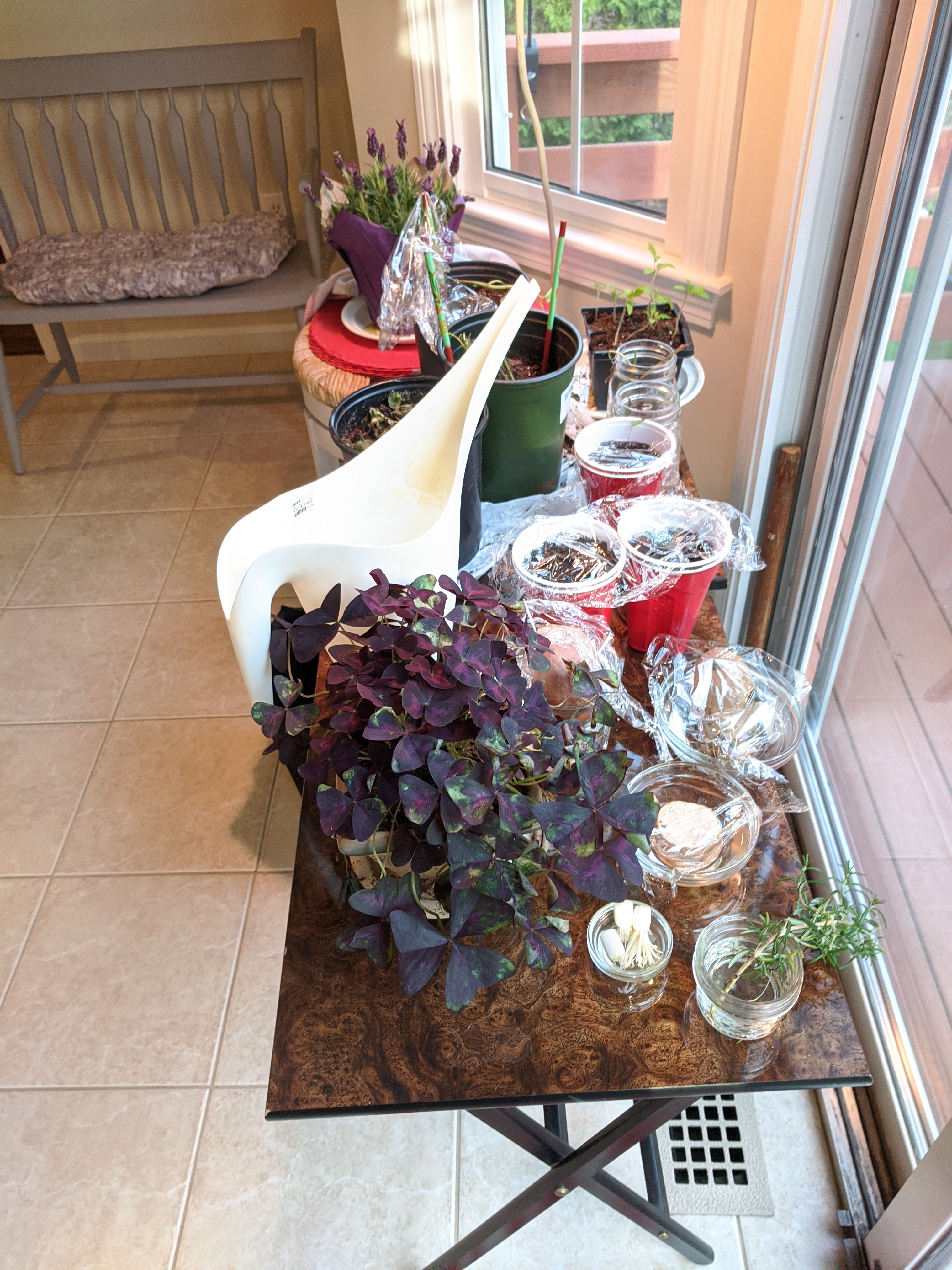
This year’s veggies are green beans, acorn squash, peas, beef steak tomatoes, grape tomatoes, red pepper, russet potatoes scallions (on third harvest), lettuce all started from scraps or seed form scraps.
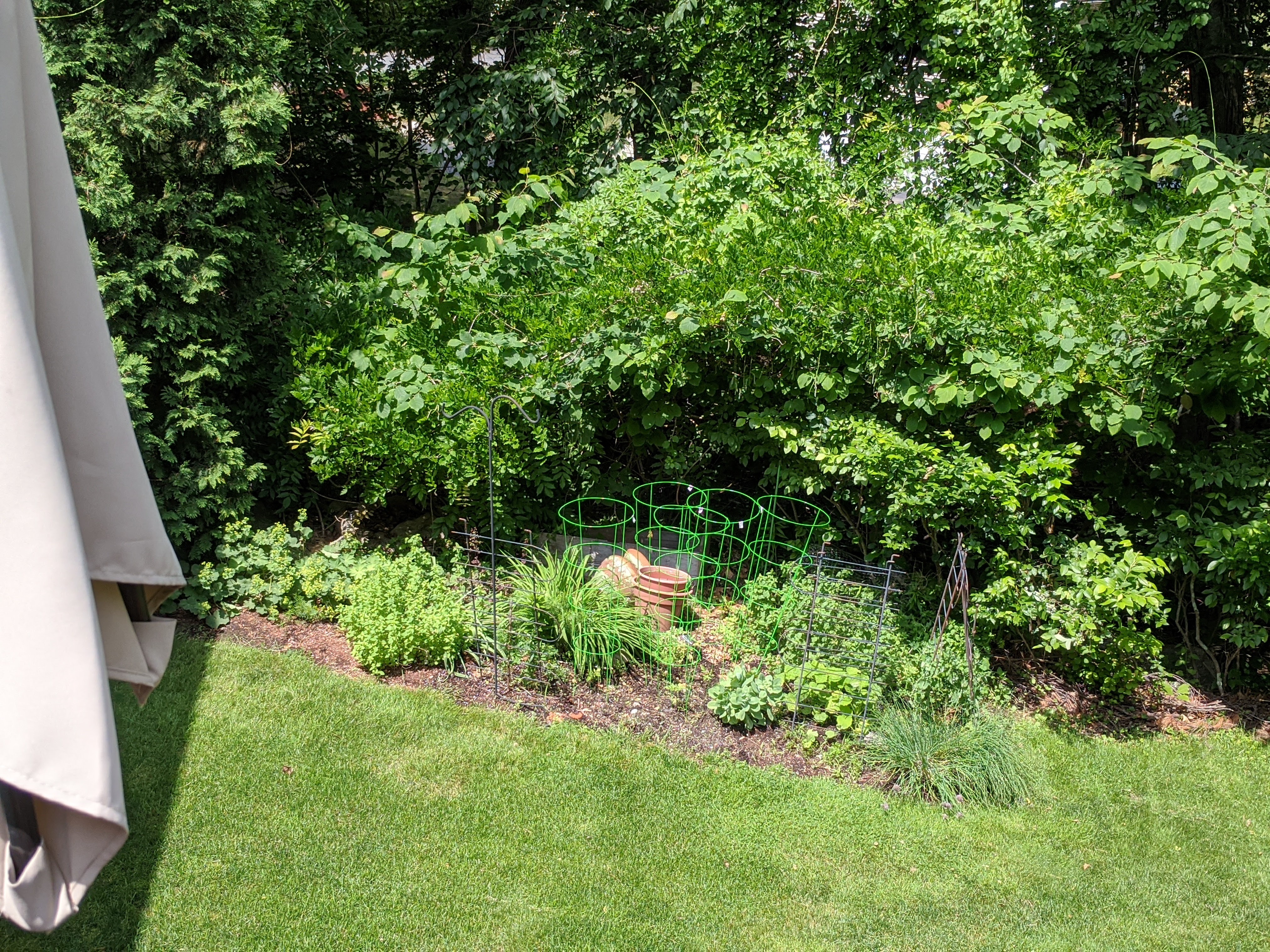
Herbs some years old Chives, dill, cilantro, parsley, rosemary, German thyme (would make good ground cover) and regular thyme, oregano, mint, tarragon and arugula.
Why do I like plants from scraps well its a small challenge and heck the scallions cost me $1.29 but with the repeat harvest I’m probably down to 20 cents for that bunch. Spring mix works better than roman you can get a few harvest out of it, the arugula I got 4 harvest before it went to seed.
Because we are surrounded by woods we don’t have many prime spots for a garden a lot of shade, but I do the best I can. Any way I enjoy it!
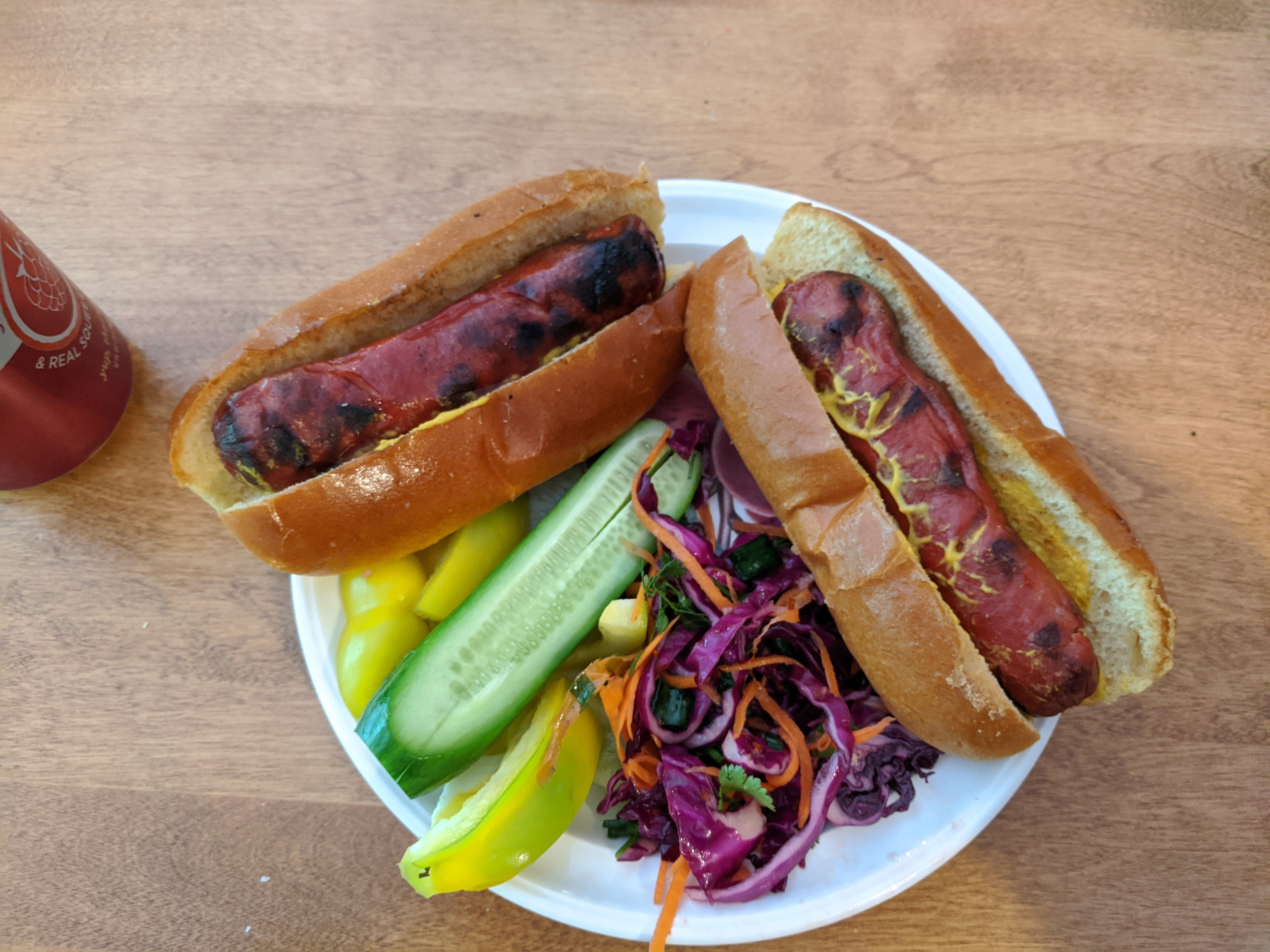
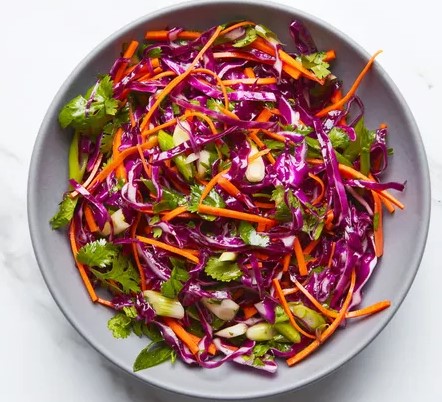
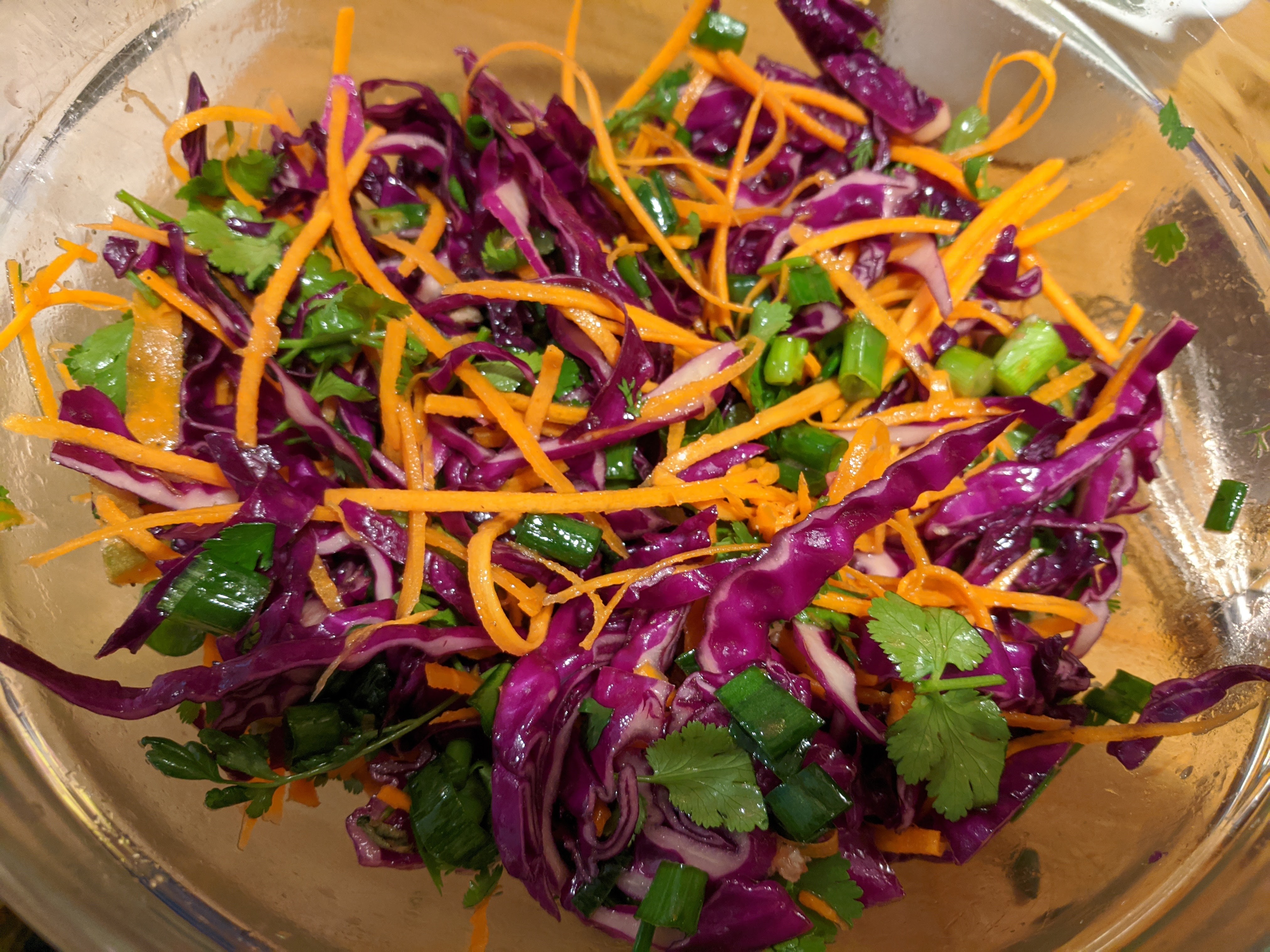
I had some red cabbage from Misfits and wanted to do something different I found this refreshing idea.
Our cilantro was starting to go to seed thanks to the 5 day heat wave so this worked perfectly.
But I did add some apple cider vinegar it jsut needed something to kick it up a notch.
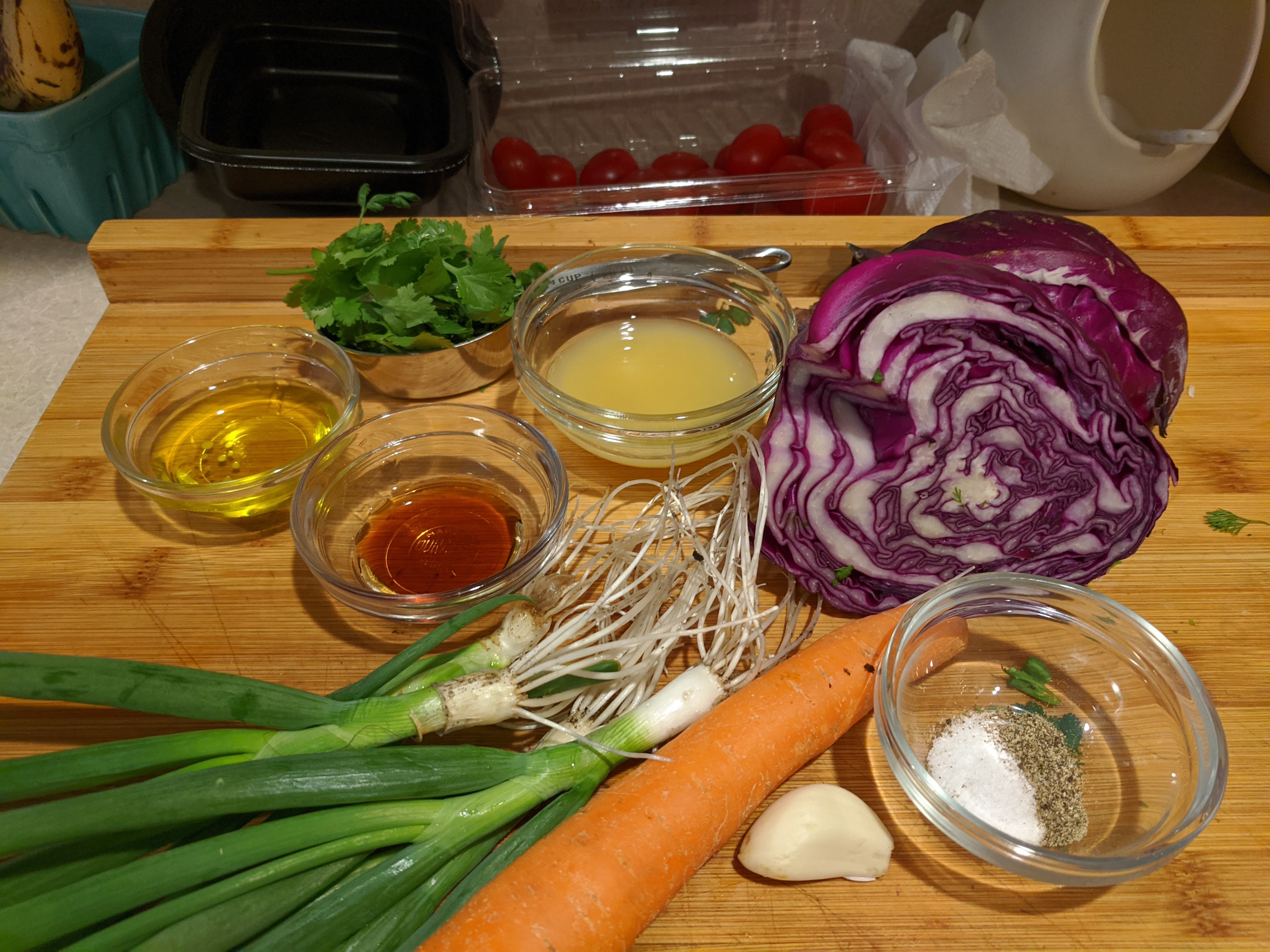
INGREDIENTS
½ head red cabbage, cored and finely shredded
1 large carrot, cut into fine julienne
¼ cup (60 mL) chopped cilantro leaves
1 bunch green onions, diced
1 Tbsp lime juice
1 Tbsp orange juice
½ tsp pure maple syrup
1 Tbsp extra virgin olive oil
1 garlic clove, peeled and minced
½ tsp sea salt
¼ tsp white pepper
My optional 1 to 2 tablespoons of apple cider vinegar. Added a little kick in my opinion
How
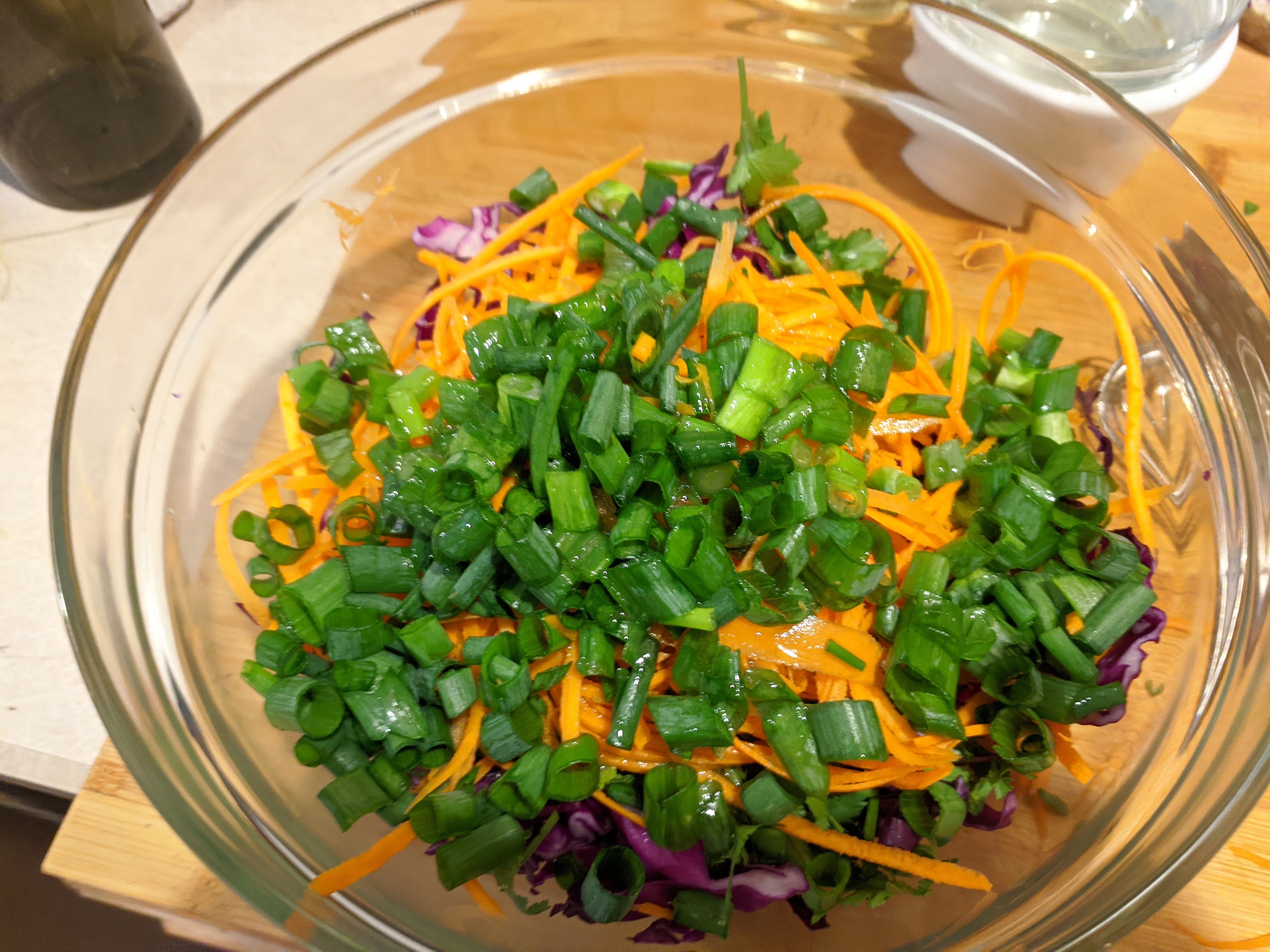
In a salad bowl, toss together cabbage, carrots, cilantro, and green onions. In a small bowl, whisk together remainder of ingredients to make a light dressing. Toss cabbage mixture with dressing. Taste and adjust seasonings.
Lyn and I decided this will be added to our rotation. Want to thank Martha for sharing this with us.
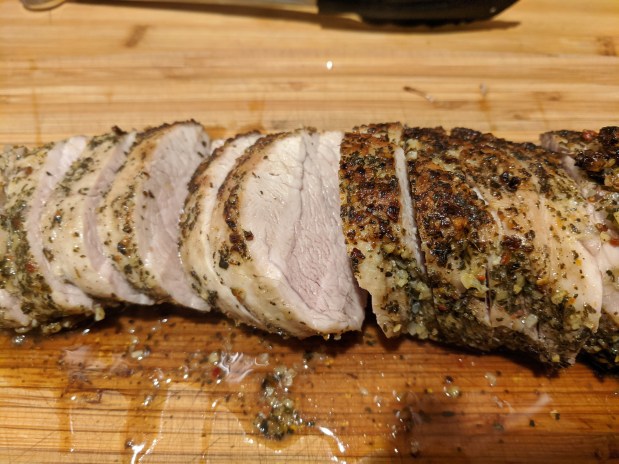
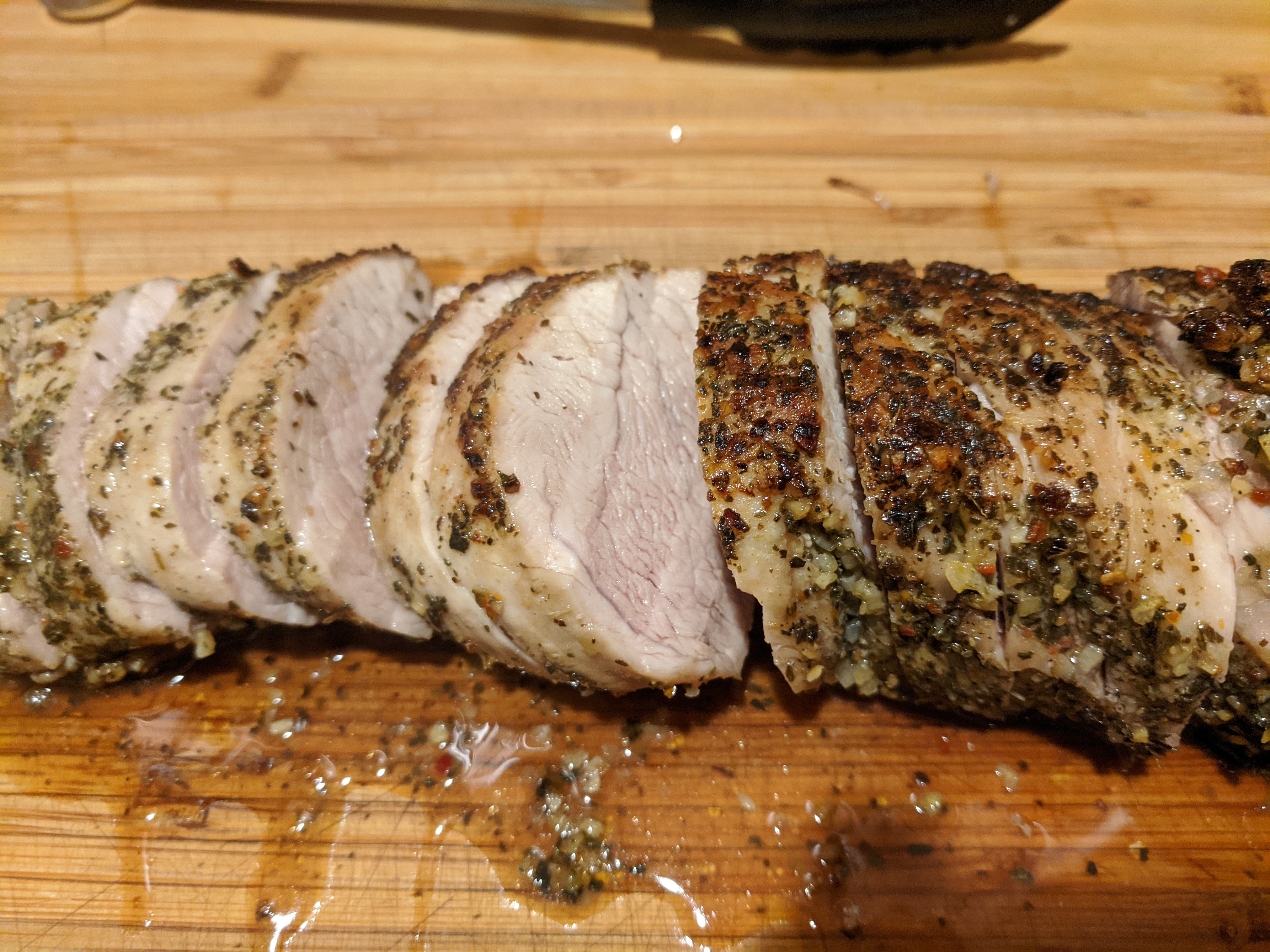
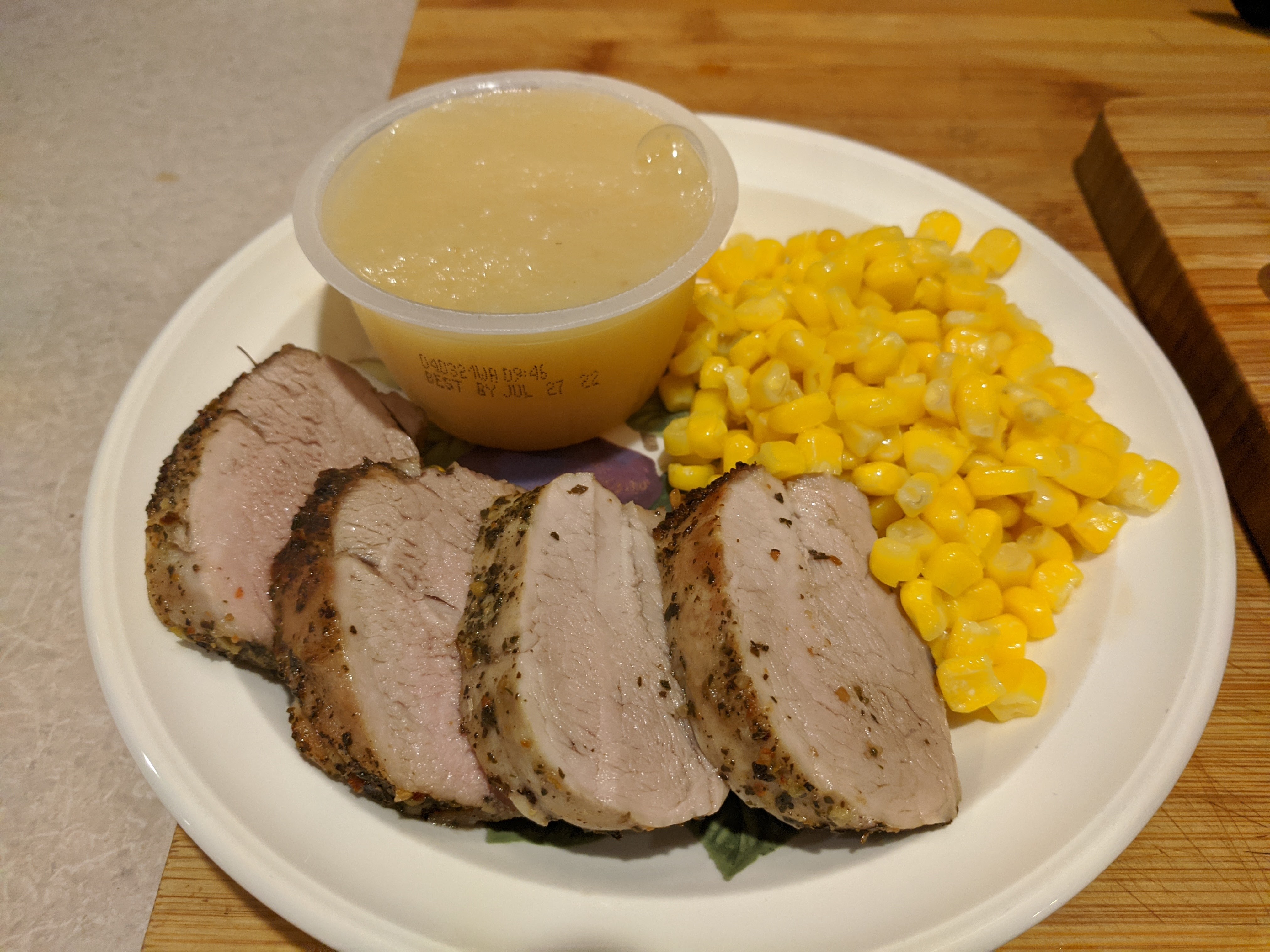
Extremely simple to prepare and cook, tender and delicious.
INGREDIENTS
1 pork tenderloin (1 to 1 1/2 pounds)
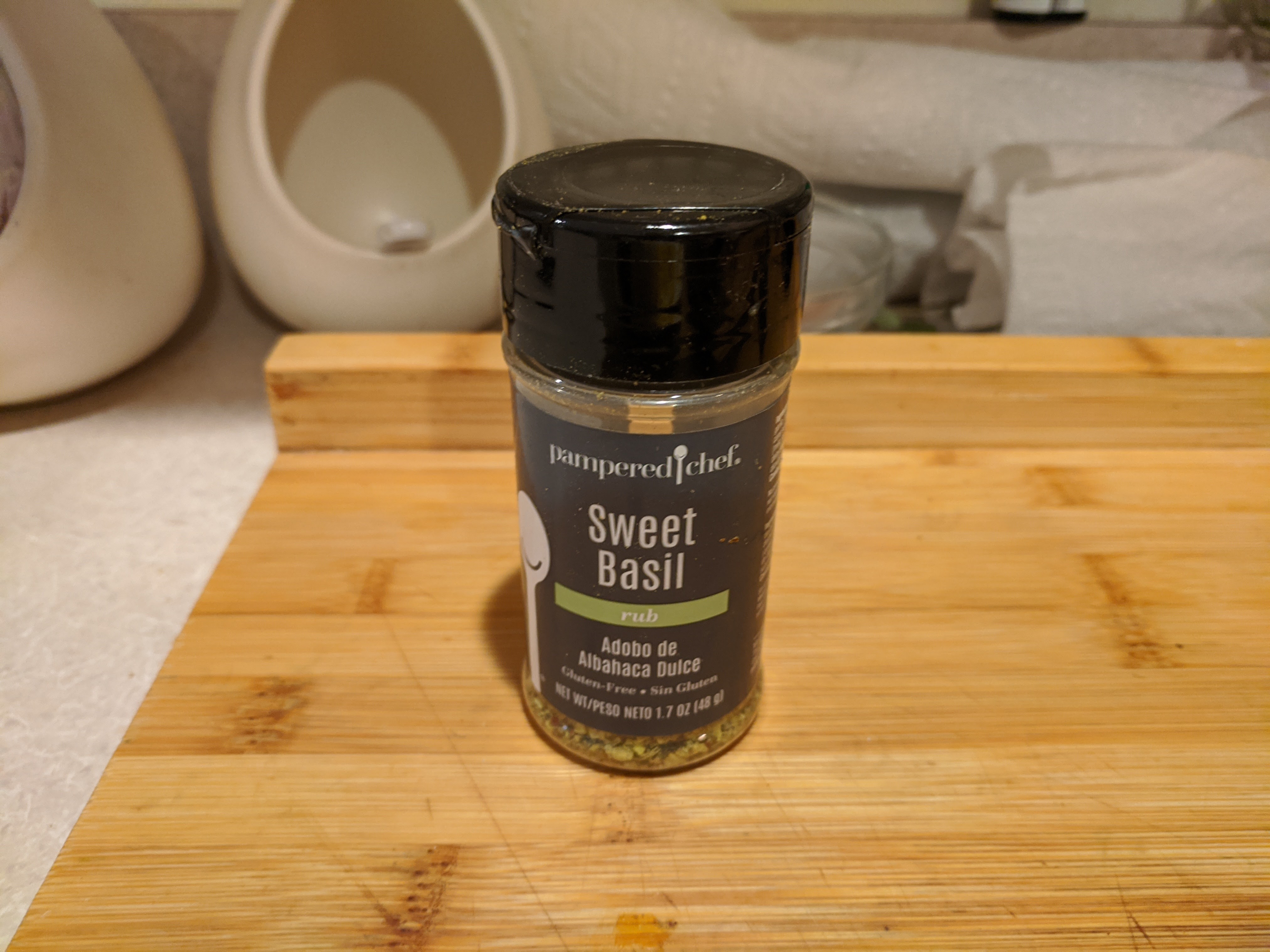
1 to 2 tablespoons spices or seasonings (See Recipe Note)
1 teaspoon kosher salt
1/2 teaspoon freshly ground black pepper
1 teaspoon vegetable oil
How
Heat the oven and pan. 10 to 20 minutes before you plan to cook, place a large cast-iron or oven safe skillet on the middle rack in the oven and heat the oven to 450°F. The skillet will heat along with the oven.
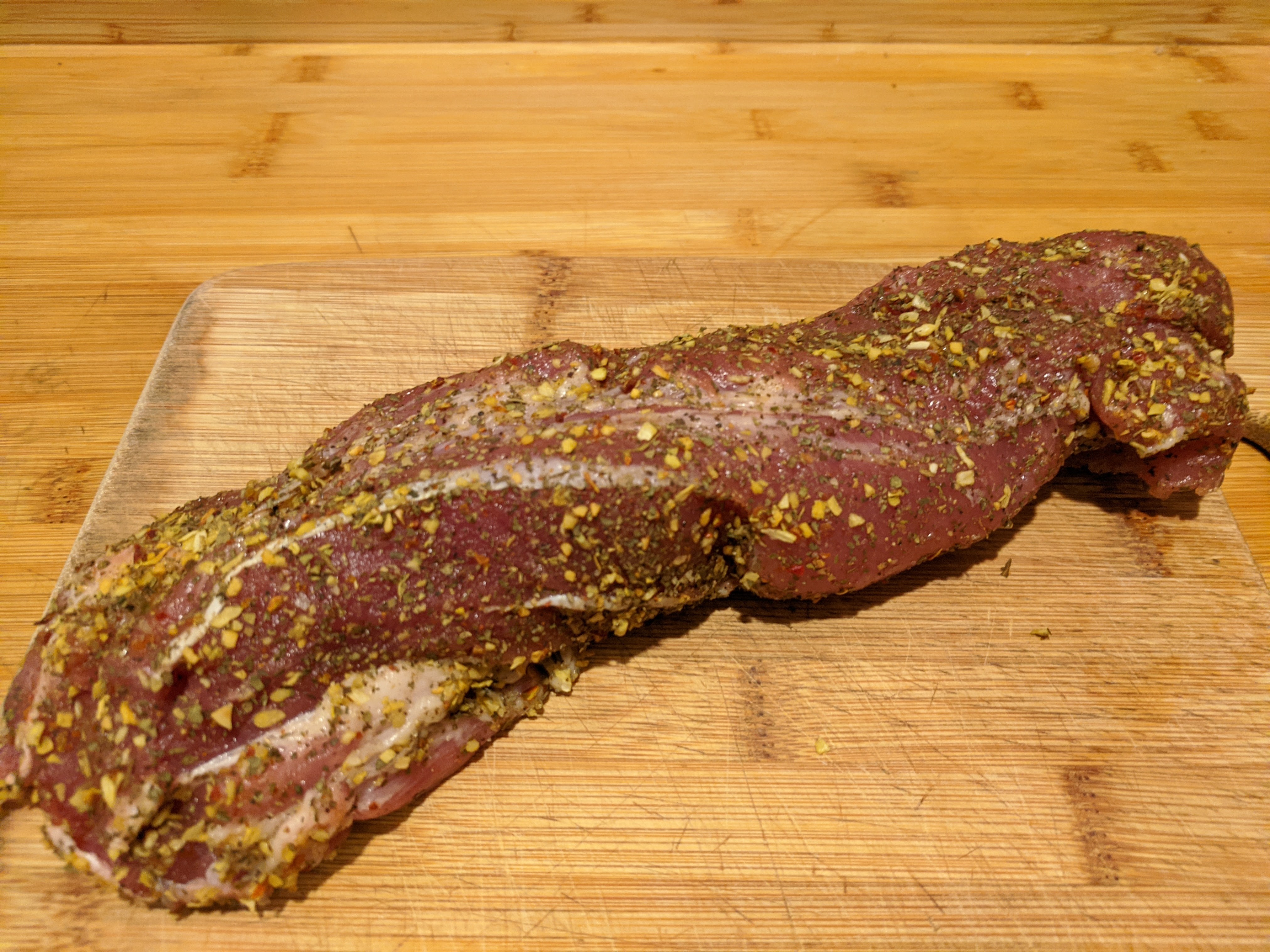
Season the pork. Pat the pork dry with paper towels and trim off any large pieces of surface fat. Mix any spices being used with the salt and pepper in a small bowl. Rub the spice mix onto the pork on all sides.
Swirl the pan with oil. Using oven mitts, carefully remove the hot pan from the oven. Add the oil and swirl to coat the bottom of the pan.
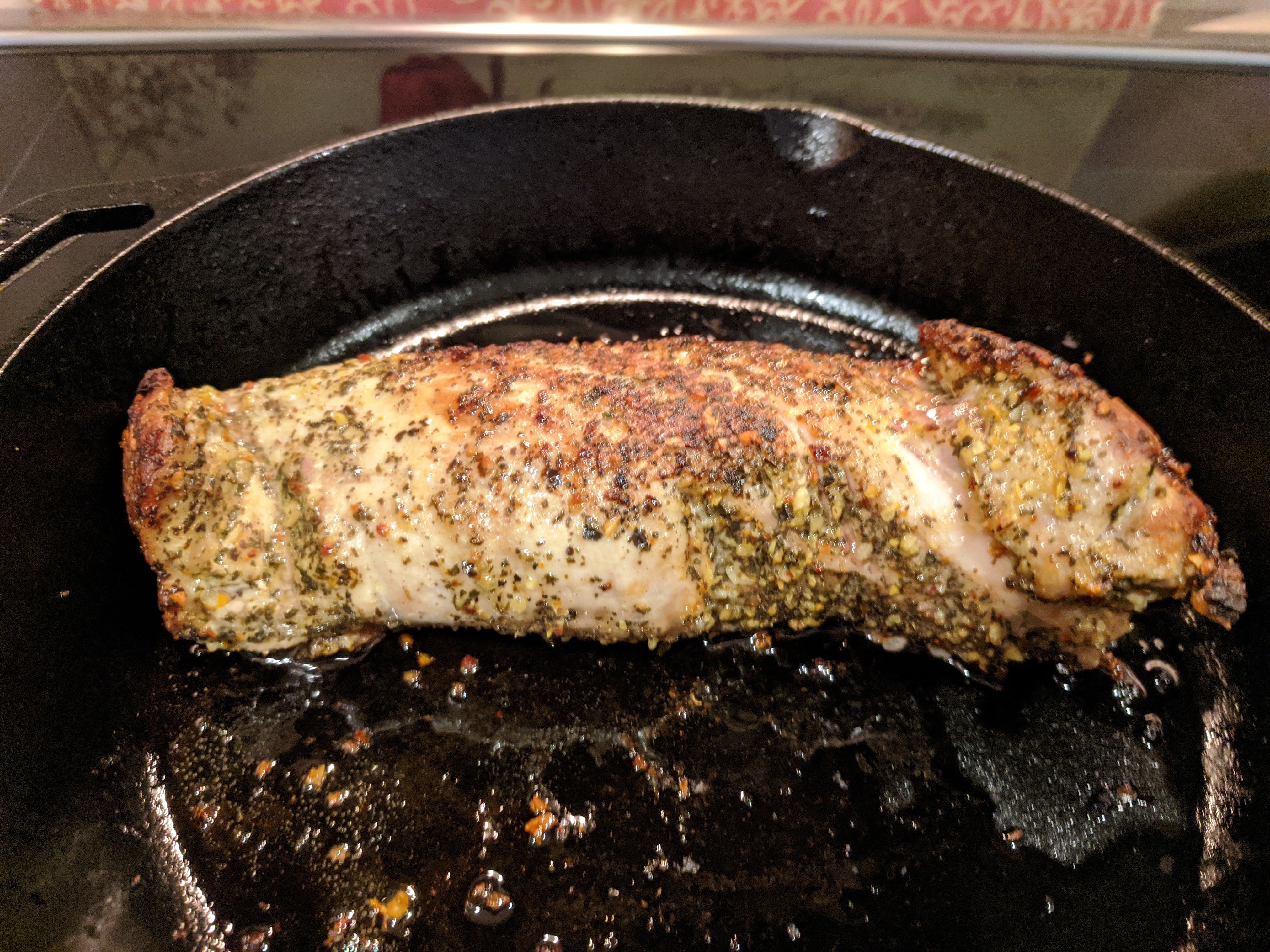
Roast the pork for 10 minutes. Place the pork in the pan. (It’s fine if your pork tenderloin is a little long for the pan; just bend it to fit as we did here.) Return the pan to the oven and roast for 10 minutes.
Flip the pork, reduce the heat, and roast another 10 to 15 minutes. Flip the pork. Reduce the oven temperature to 400°F and continue roasting 10 to 15 minutes more. The pork is done when its internal temperature registers 140°F to 145°F in the thickest part, 20 to 25 minutes total.
Rest for 10 minutes before serving. Transfer the pork to a clean cutting board, tent loosely with aluminum foil, and let it rest for 10 minutes before slicing crosswise. For extra-thin slices for sandwiches, cool the pork completely, then refrigerate before cutting.
RECIPE NOTES
Seasoning the pork: You can keep this pork simple and season with just salt and pepper, or you can rub it with any favorite spices or salt-free blend of spices.
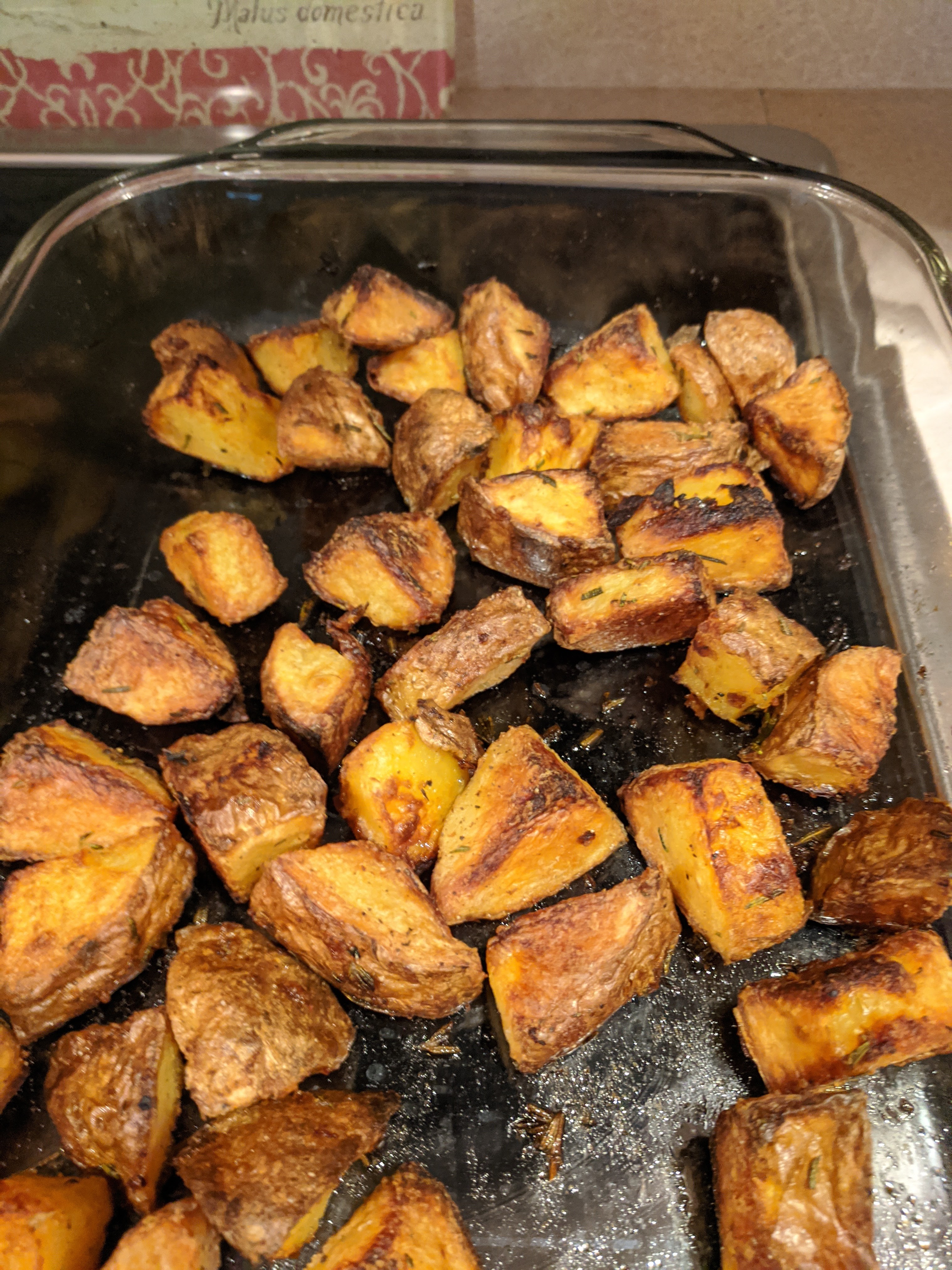
For years I’ve wanted to get roasted potatoes like my mother-in-law’s, brown and crispy on the outside soft and smooth on the onside. I’ve come close but never quite got there. I used to love picking the real crunchy stuff off the sides of the pan. Then we went to my son’s for mother’s day and he made his roasted potatoes. Now they did not have the crunchy stuff on the pan but other than that they were perfect. I asked him to send me how and he said it was the preboil (10 minutes) with a little backing soda. He sent me the link. I’ve seen it before but the goose fat always through me off. So I decided to just use oil oil infused with some fresh rosemary and garlic. I discovered that J. Kenji López-Alt also mentioned, if I bothered to read it, that any oil or fat would work in fact it adds to the flavor.
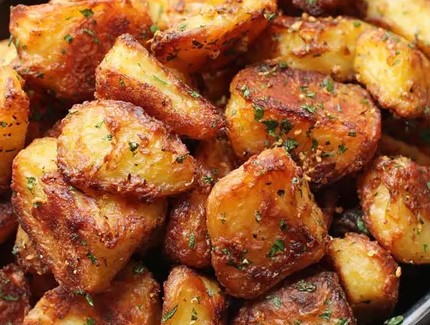
These are the most flavorful crispy roast potatoes you’ll ever make. And they just happen to be gluten-free and vegan (if you use oil) to boot.
I adjusted the amounts based on the ponds of potatoes, there is only two of us after all.
Ingredients
Kosher salt
1/2 teaspoon (4g) baking soda
4 pounds (about 2kg) russet or Yukon Gold potatoes, peeled and cut into quarters, sixths, or eighths, depending on size (see note)
5 tablespoons (75ml) extra-virgin olive oil, duck fat, goose fat, or beef fat (I used Olive Oil)
Small handful picked rosemary leaves, finely chopped
3 medium cloves garlic, minced
Freshly ground black pepper
Small handful fresh parsley leaves, minced
How
Adjust oven rack to center position and preheat oven to 450°F/230°C (or 400°F/200°C if using convection).
Heat 2 quarts (2L) water in a large pot over high heat until boiling. Add 2 tablespoons kosher salt (about 1 ounce; 25g), baking soda, and potatoes and stir. Return to a boil, reduce to a simmer, and cook until a knife meets little resistance when inserted into a potato chunk, about 10 minutes after returning to a boil.
Meanwhile, combine olive oil, duck fat, or beef fat, my son used bacon fat, what’s that old saying, with rosemary, garlic, and a few grinds of black pepper in a small saucepan and heat over medium heat. Cook, stirring and shaking pan constantly, until garlic just begins to turn golden, about 3 minutes. Immediately strain oil through a fine-mesh strainer set in a large bowl.
Set strained garlic/rosemary mixture aside and reserve separately.
When potatoes are cooked, drain carefully and let them rest in the pot for about 30 seconds to allow excess moisture to evaporate.
Transfer to bowl with infused oil, season to taste with a little more salt and pepper, and toss to coat, shaking bowl roughly, until a thick layer of mashed potato–like paste has built up on the potato chunks.
Transfer potatoes to a large rimmed baking sheet and separate them, spreading them out evenly. Transfer to oven and roast, without moving, for 20 minutes. Using a thin, flexible metal spatula to release any stuck potatoes, shake pan and turn potatoes.
Continue roasting until potatoes are deep brown and crisp all over, turning and shaking them a few times during cooking, 30 to 40 minutes longer.
Transfer potatoes to a large bowl and add garlic/rosemary mixture and minced parsley. Toss to coat and season with more salt and pepper to taste.
Serve immediately. They tend to soften up if they sit for too long.
WHY IT WORKS
Large chunks of potato maximize the contrast between exterior and interior.
Parboiling the potatoes in alkaline water breaks down their surfaces, creating tons of starchy slurry for added surface area and crunch.
Offering you the choice of oil, duck fat, goose fat, or beef fat means you can get whichever flavor you want.
Infusing the oil or fat with garlic and herbs gives the potato crust extra flavor.














:max_bytes(150000):strip_icc():format(webp)/__opt__aboutcom__coeus__resources__content_migration__serious_eats__seriouseats.com__recipes__images__2016__12__20161201-crispy-roast-potatoes-29-5488c9156af24cde98d295257a9d775e.jpg)
 Gourmet Dad, Don’t Let The Title Fool You