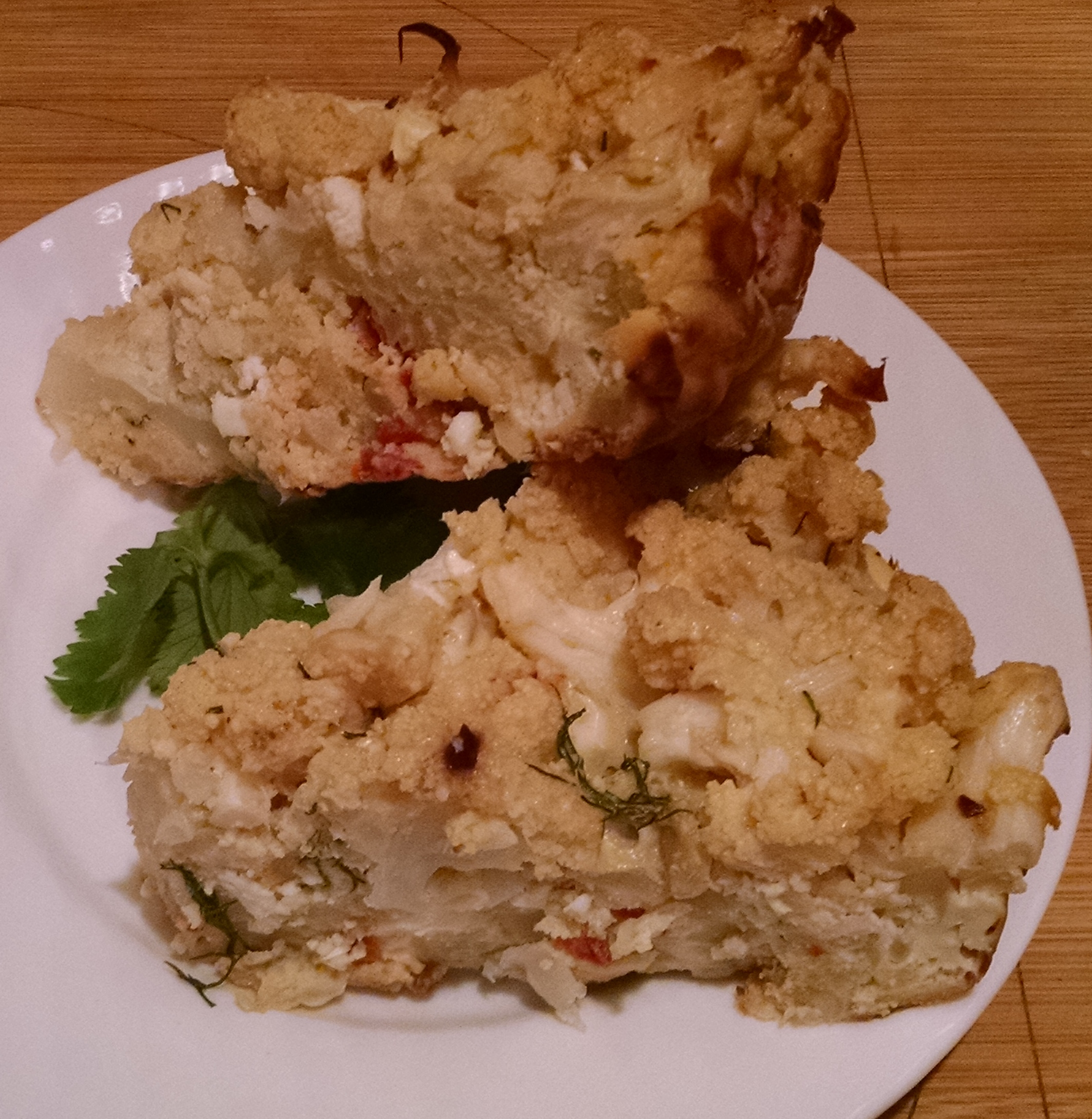
Savory Cauliflower Cake

Savory Cauliflower Cake

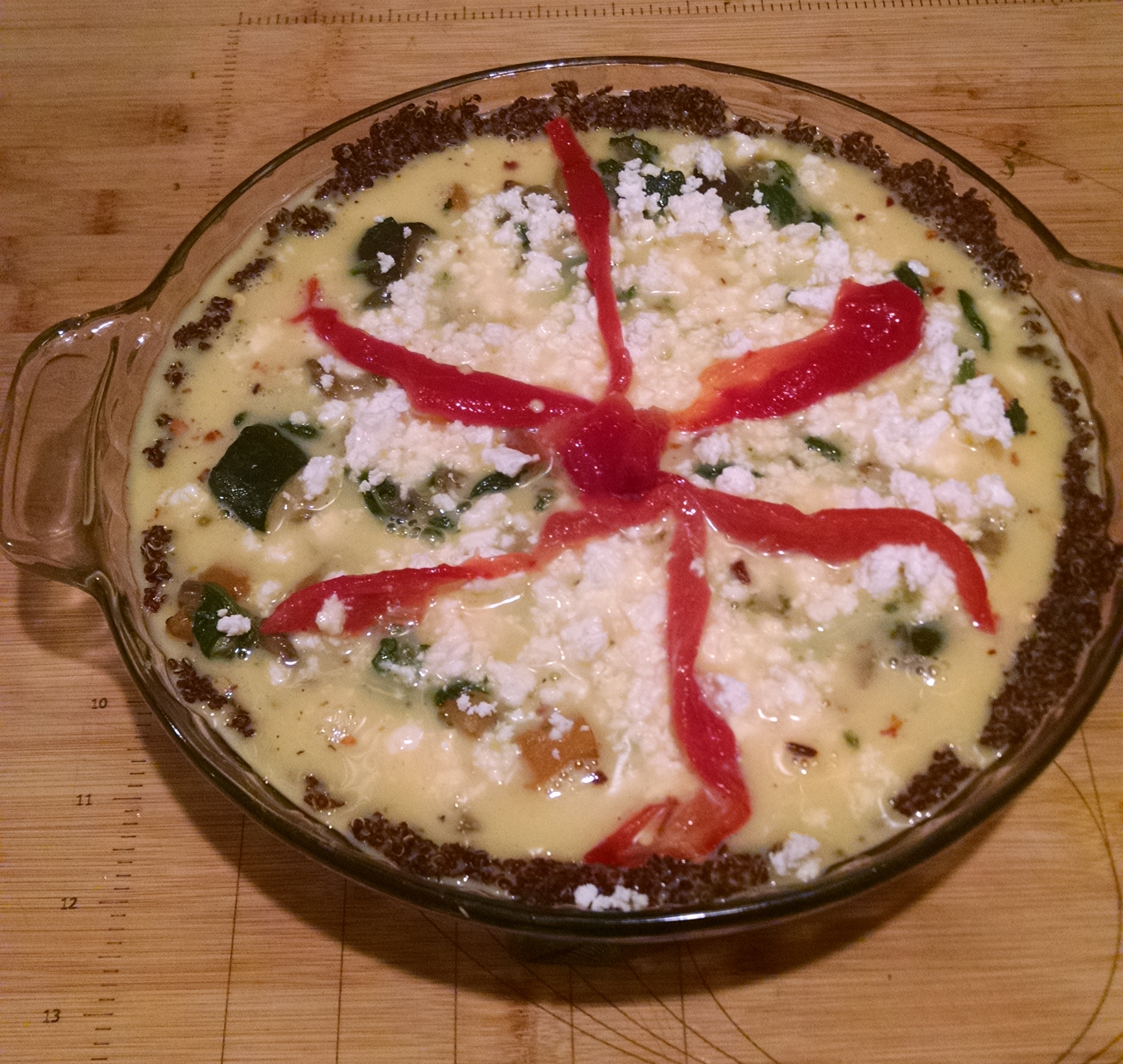
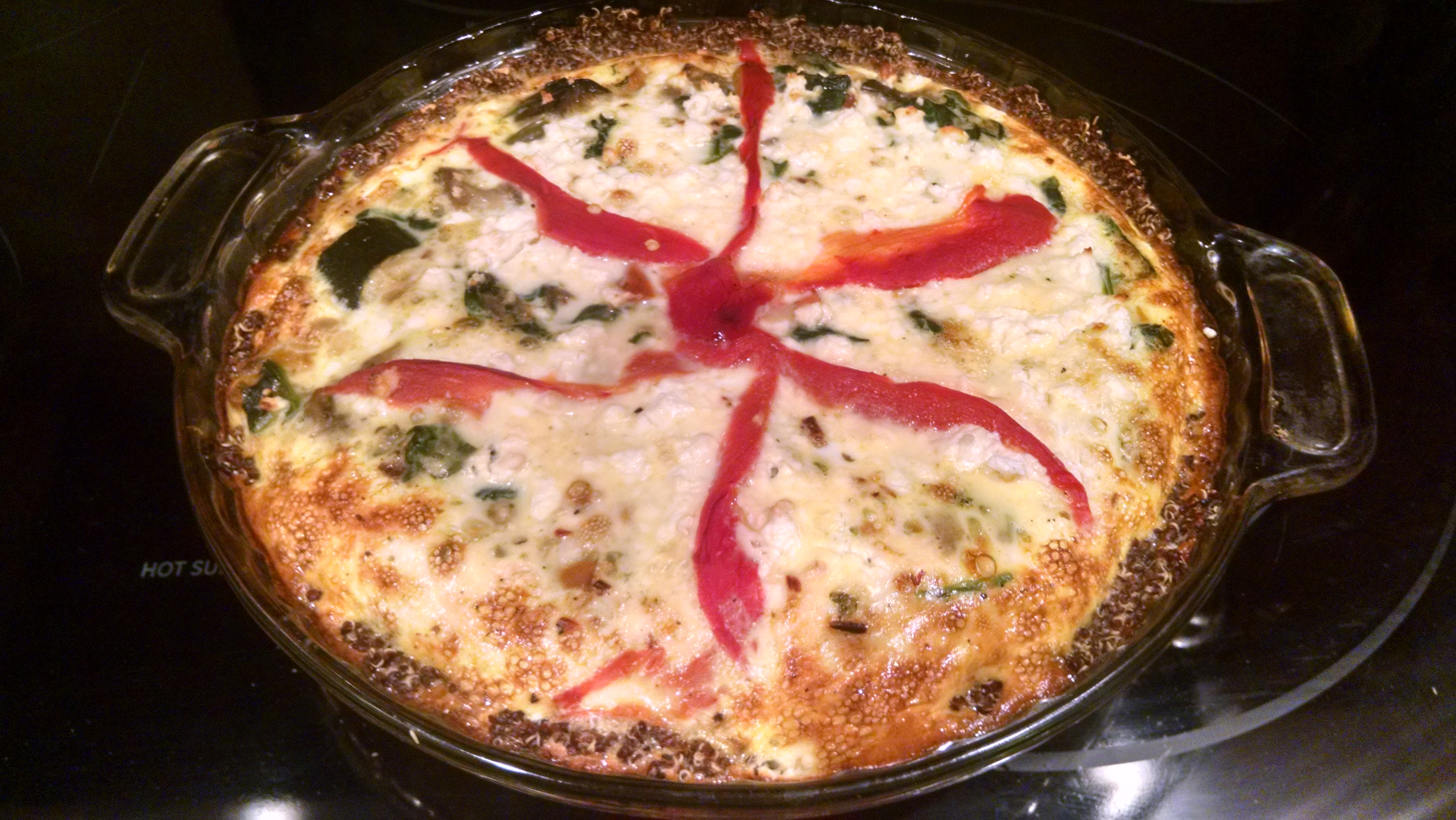
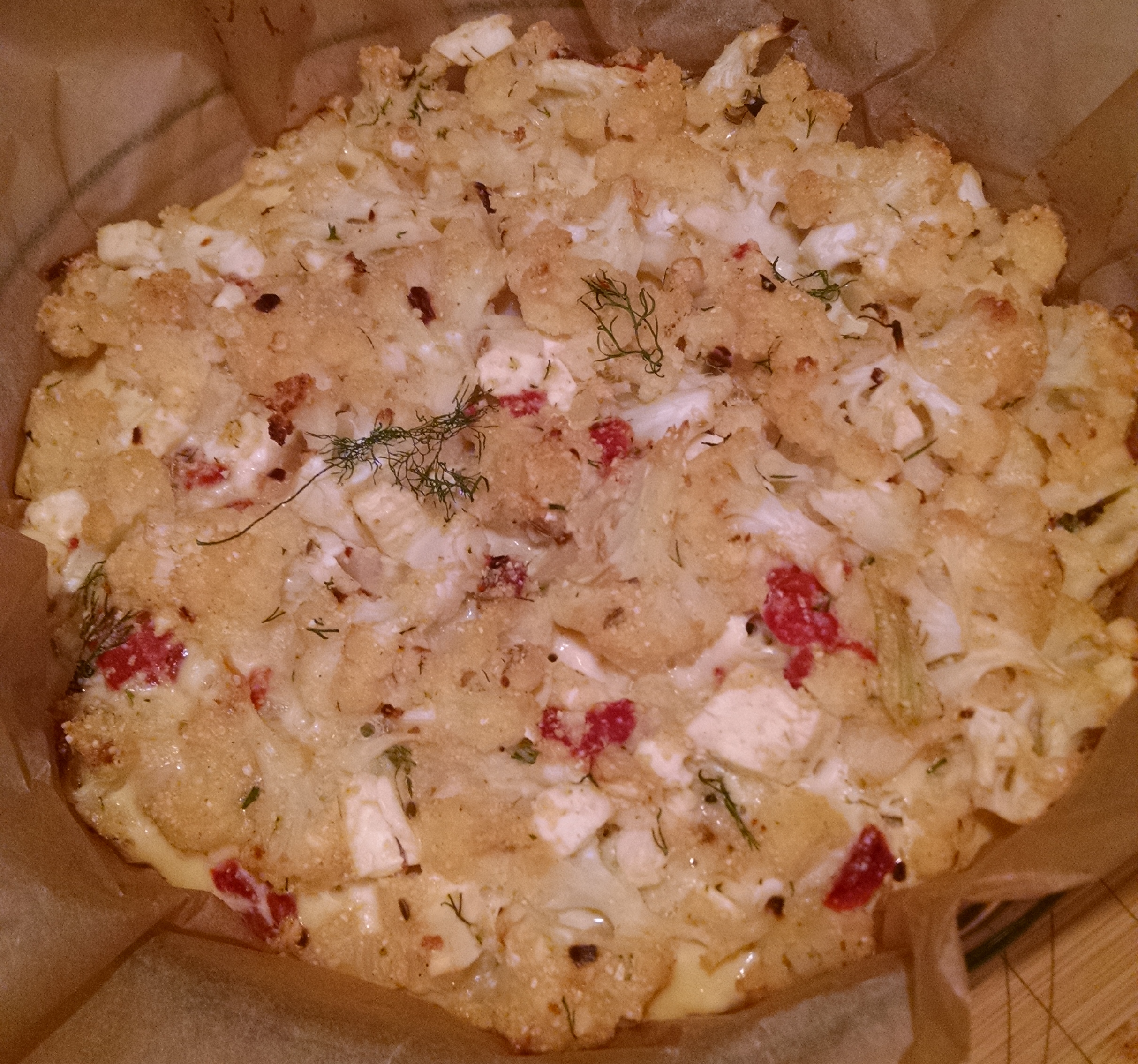
We tried a lot of different things with cauliflower, mashed potatoes, roasted, sautéed with garlic, in salads,  I keep saying that I will try the cauliflower crust pizza one of these days pictures look good, but Lyn found this awhile back and we finally, well she finally made again the other day. This time instead of a bunt pan she used a parchment paper lined pie dish came out just as good and was easier to remove from pan and cut just didn’t settle as well.

This healthy, savory cauliflower cake recipe falls somewhere between a quiche and a meatless meatloaf. Garbanzo bean flour adds nutty flavor plus protein to make the cake a satisfying vegetarian main dish recipe. The flavor is best when the cake is warm or at room temperature, so it’s an ideal choice for a buffet.

From EatingWell:  January/February 2014

http://www.eatingwell.com/recipes/savory_cauliflower_cake.html

8 servings Active Time: 50 minutes | Total Time: 1 3/4 hours

Ingredients

  • 1 medium head cauliflower (about 2 pounds), trimmed and broken into small florets
  • 1 tablespoon extra-virgin olive oil
  • 1 medium onion, thinly sliced
  • 3/4 teaspoon caraway seed, ground or crushed
  • 1/2 teaspoon ground coriander
  • 1/2 teaspoon crushed red pepper, or to taste
  • 3/4 teaspoon salt, divided
  • 3/4 cup garbanzo bean flour (see Tip)
  • 1/4 cup all-purpose flour or gluten-free flour blend
  • 1/2 teaspoon baking powder
  • 6 large eggs
  • 1 jarred roasted red pepper, rinsed and chopped (about 1/2 cup)
  • 3/4 cup crumbled feta cheese
  • 3 tablespoons chopped fresh dill, divided

IMG_20140809_120207029

Preparation

  1. Preheat oven to 350°F. Line the bottom and sides of a 9-inch springform pan with parchment paper.
  2. Bring about 1 inch of water to a boil in a large pot fitted with a steamer basket. Add cauliflower and steam until tender, 8 to 10 minutes.
  3. Heat oil in a large skillet over medium heat. Add onion and cook, stirring, until tender and golden, about 8 minutes. Add caraway seed, coriander, crushed red pepper and 1/2 teaspoon salt; cook, stirring, until fragrant, about 1 minute. Gently stir in the steamed cauliflower, doing your best not to break up the florets, and cook for 2 to 3 minutes to combine the flavors.
  4. Whisk garbanzo bean flour, all-purpose flour (or gluten-free blend), baking powder and the remaining 1/4 teaspoon salt in a bowl. Whisk eggs in a large bowl until mixed. Sprinkle the dry ingredients over the eggs and whisk to combine and eliminate most of the lumps. Stir in roasted red pepper, feta and 2 tablespoons dill. Add the cauliflower mixture and gently stir to combine. Spread the mixture evenly into the prepared pan.
  5. Bake until the top is golden and the cake is set, 35 to 45 minutes. Let cool to warm; remove the pan sides and the parchment. Serve warm or at room temperature, garnished with the remaining 1 tablespoon dill.

IMG_20140814_064714588


Nutrition

Per serving : 187 Calories; 9 g Fat; 4 g Sat; 4 g Mono; 152 mg Cholesterol; 15 g Carbohydrates; 11 g Protein; 2 g Fiber; 563 mg Sodium; 296 mg Potassium

1 Carbohydrate Serving

Exchanges: 1/2 starch, 1 vegetable, 1 medium-fat meat, 1/2 fat

Tips & Notes

  • Garbanzo bean flour, made from ground dried garbanzo beans (aka chickpeas), is a gluten-free flour used in many traditional Middle Eastern recipes. Look for it in natural-foods stores and/or in well-stocked supermarkets in the gluten-free section. Once opened, store airtight in the freezer.


cauliflower

WHFoods Recommendations

You’ll want to include cauliflower as one of the cruciferous vegetables you eat on a regular basis if you want to receive the fantastic health benefits provided by the cruciferous vegetable family. At a minimum, include cruciferous vegetables as part of your diet 2-3 times per week, and make the serving size at least 1-1/2 cups. Even better from a health standpoint, enjoy cauliflower and other vegetables from the cruciferous vegetable group 4-5 times per week, and increase your serving size to 2 cups.

As with all vegetables be sure not to overcook cauliflower. We suggest Healthy Sautéeing cauliflower rather than the more traditional methods of boiling or steaming, which makes them waterlogged, mushy and lose much of its flavor. Cut cauliflower florets into quarters and let sit for 5 minutes before cooking. For great tasting cauliflower add 1 tsp of turmeric when adding the cauliflower to the skillet. …..read more


Church from office Window

This is Church steeple from office window, I liked the clouds. Better in real life

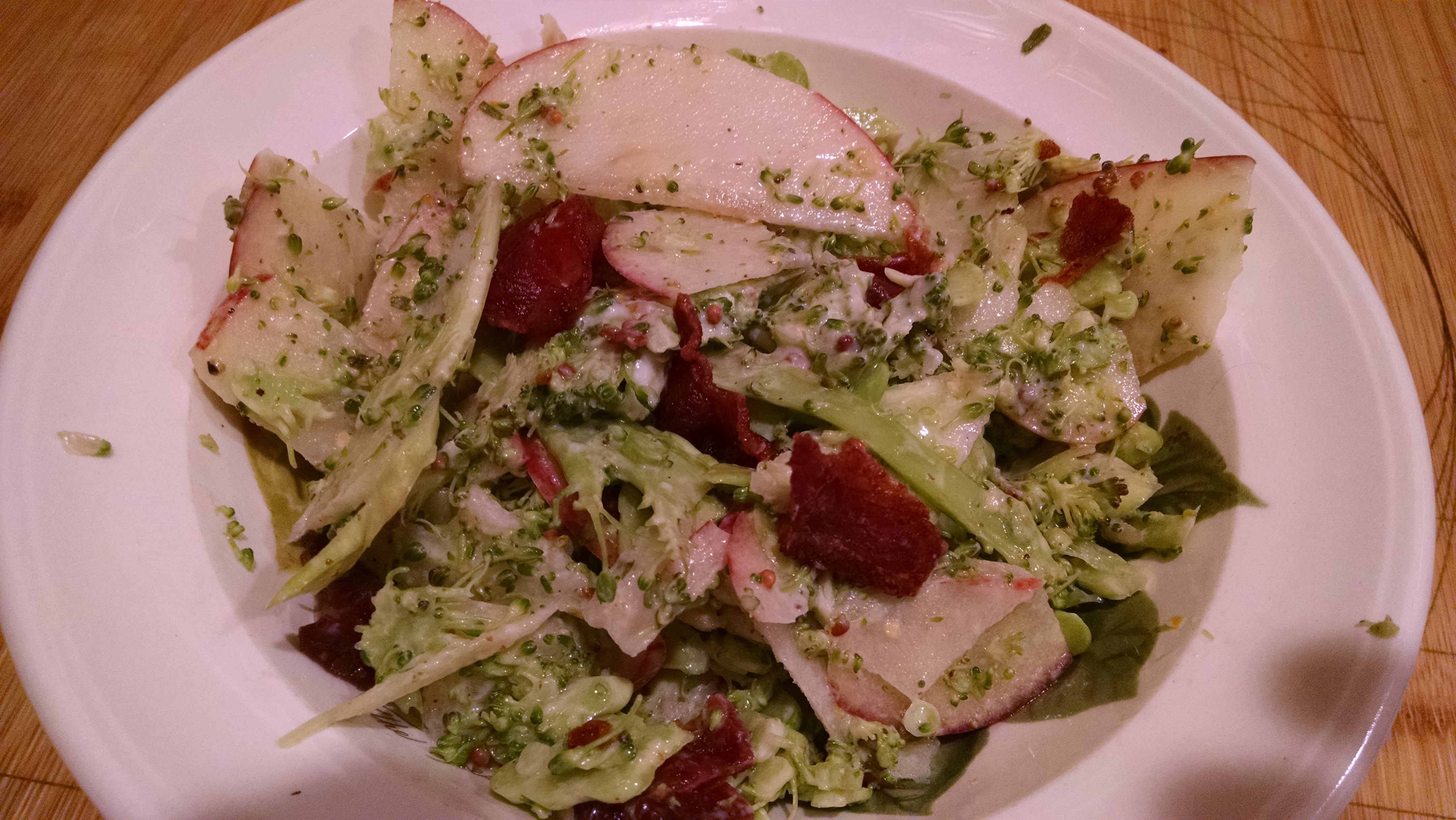
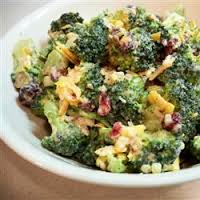
Kathy’s Broccoli Salad

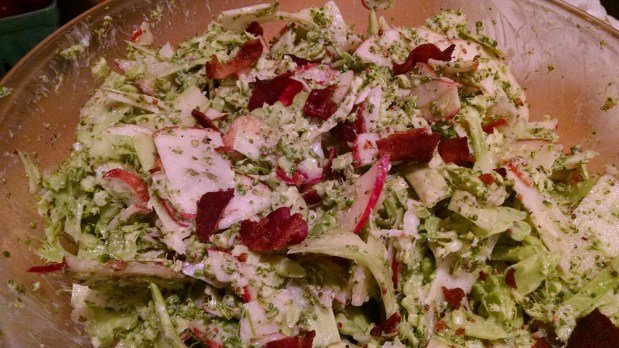
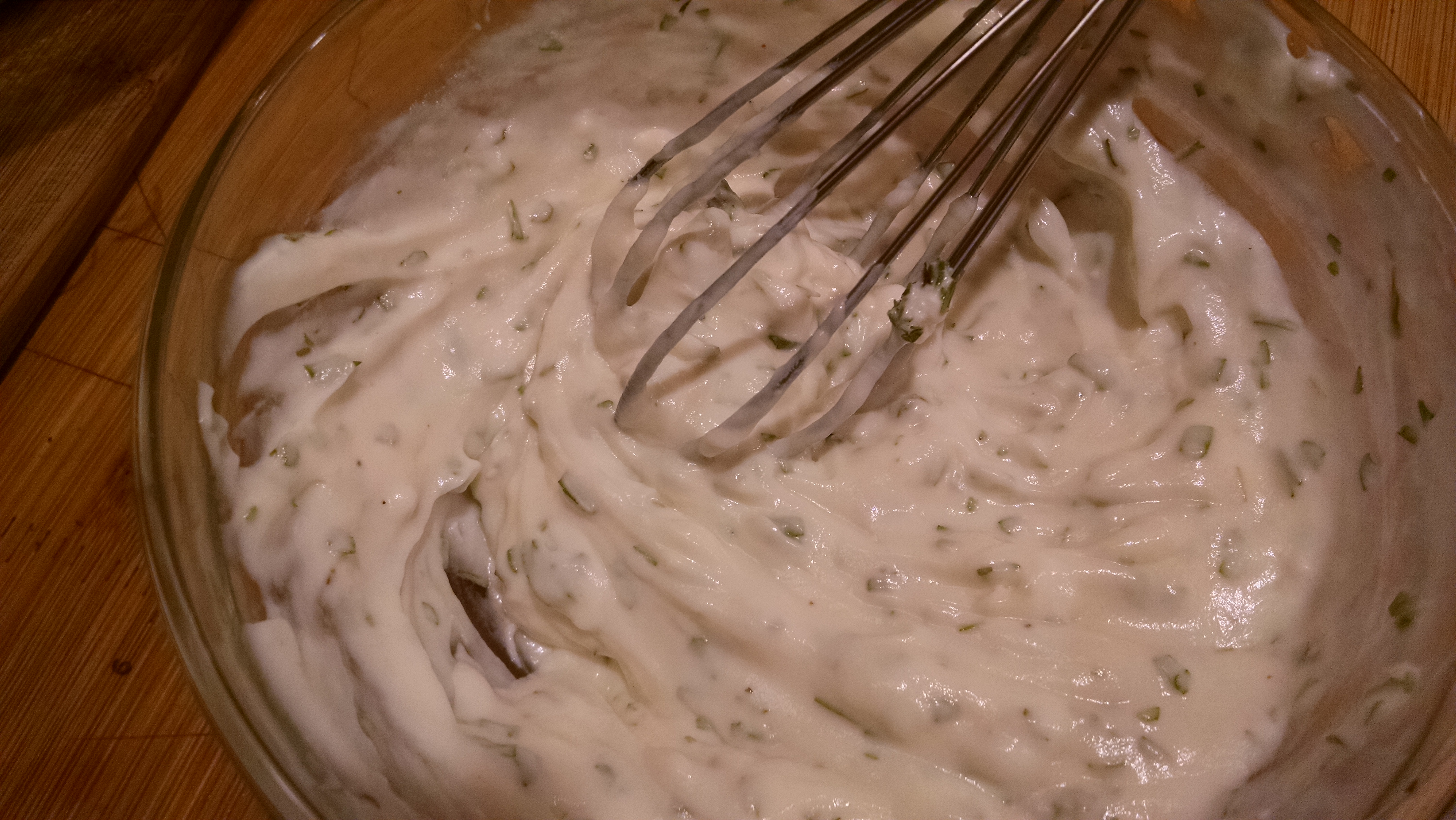
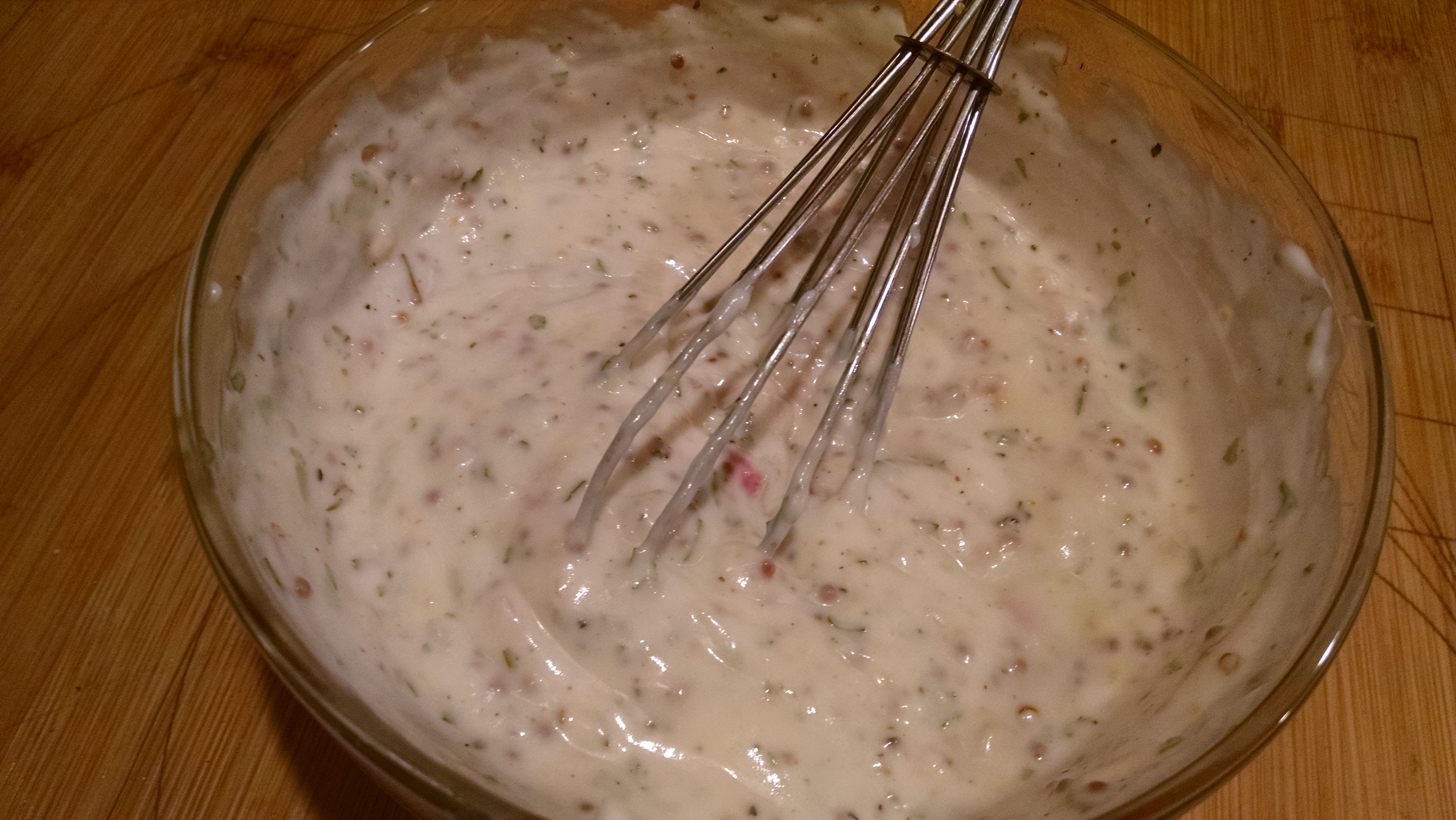
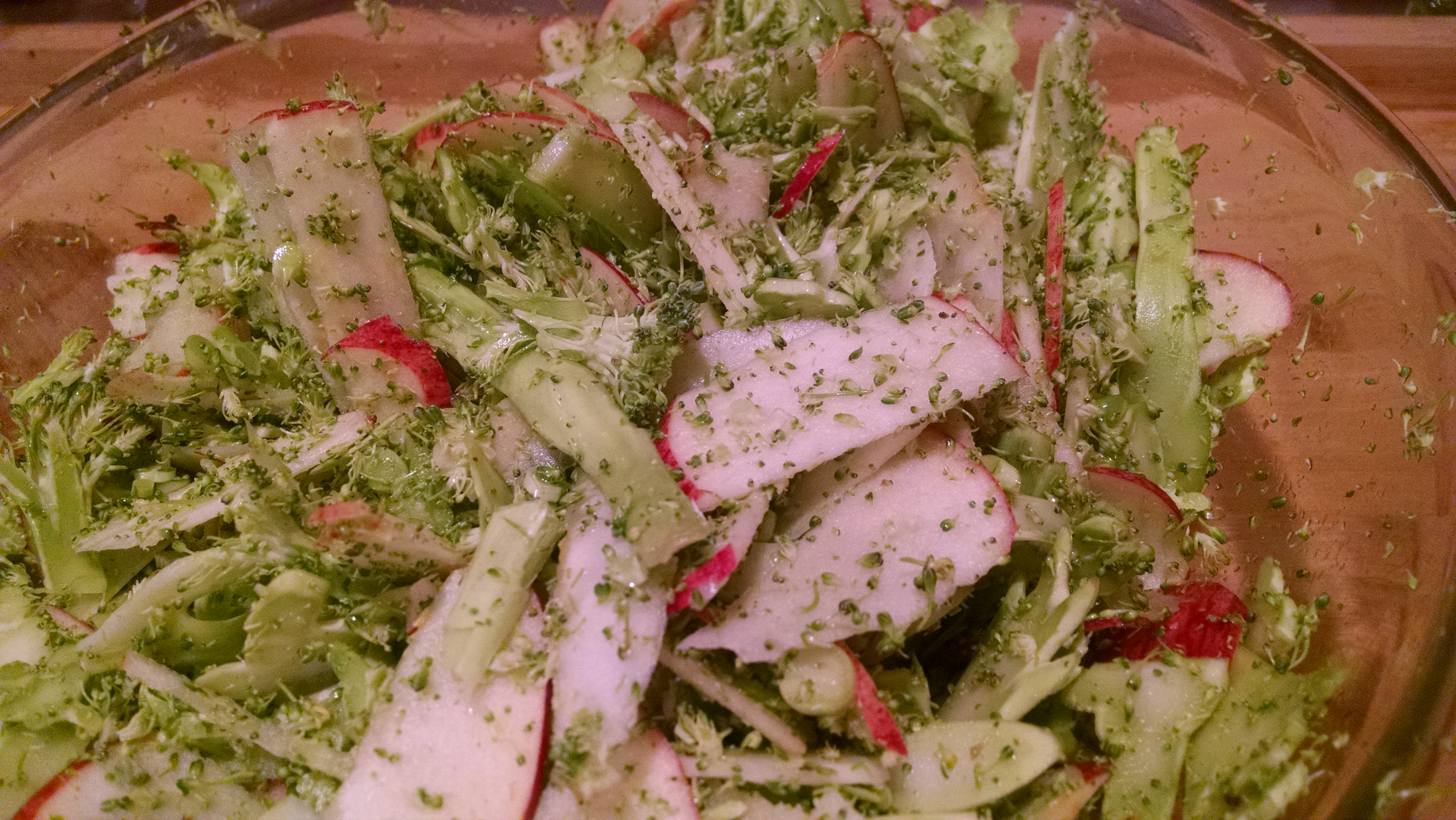
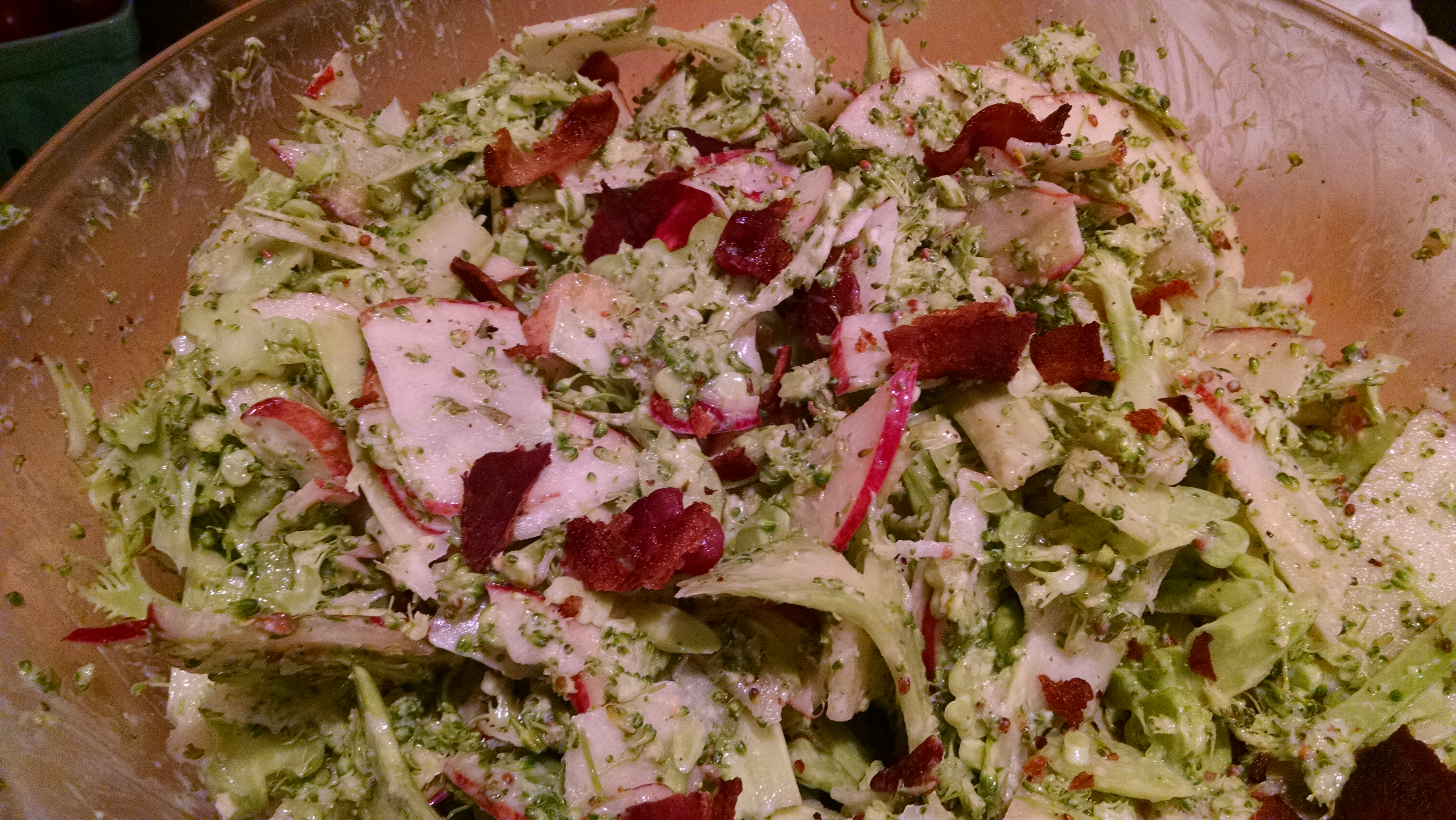
Every year we all look forward to the company BBQ at Bruce’s  good food, drinks and company. Horseshoes was replaced by a similar game that you toss bean bags and instead of a pole it’s a hole. Stewart’s kids make a beeline for the pool while the rest of us watch and chat. I loved when Stewart’s youngest son tried the dark chocolate coated ice cream, “ DISGUSTING” as he handed it to his mother, his face must have resembled mine at that age the first time I tasted semisweet cooking chocolate, not what I expected. Anyway, Bruce’s wife Kathy made the best broccoli salad I have ever had, it disappeared very quickly.

Thanks Kathy’s this was great!!

She said that she does not follow the amounts exactly and to me that is what cooking is all about tweaking to your likes.

brocolli salad

Salad

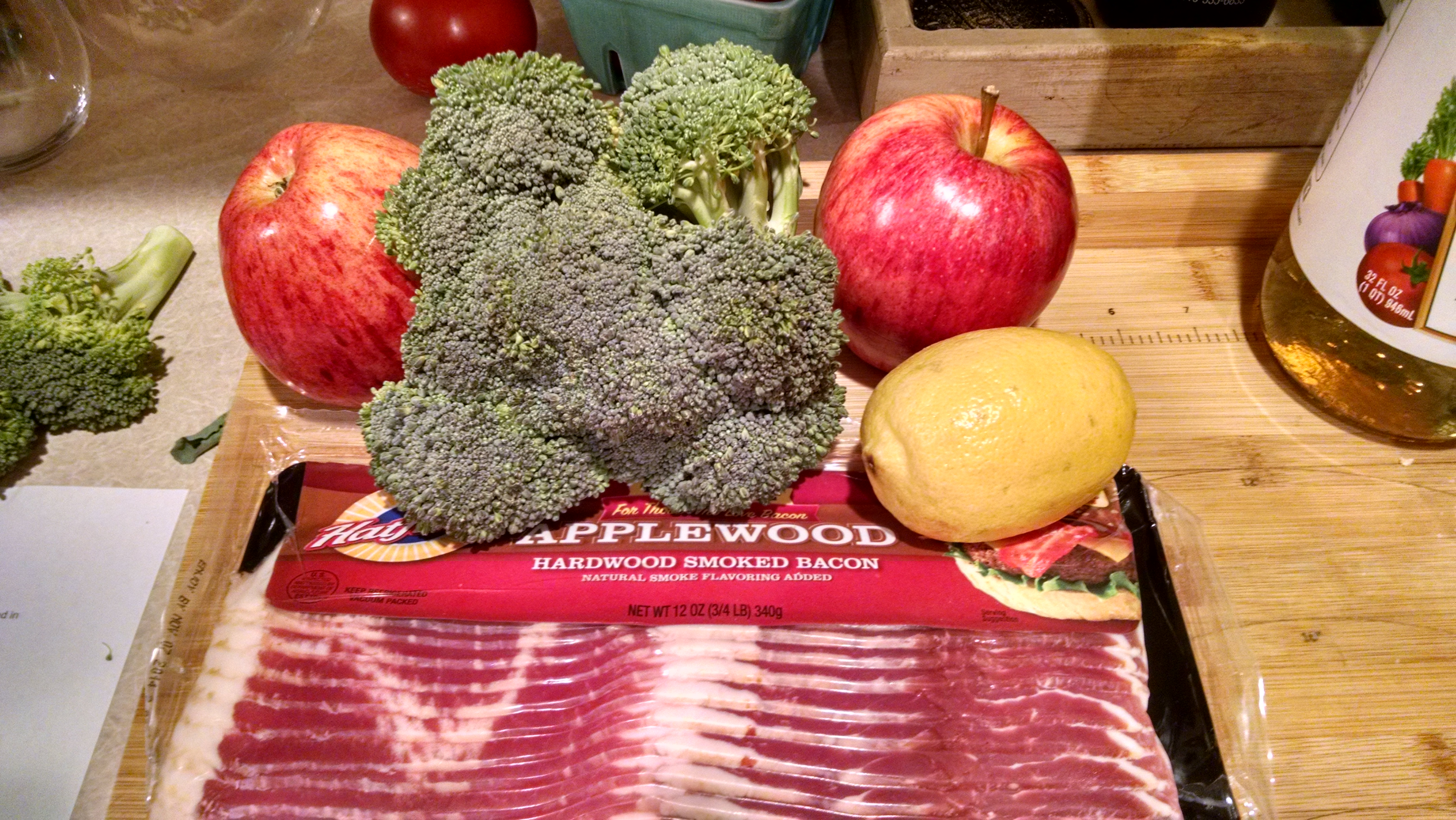
  • 1 lb of bacon – cooked and broken into pieces
  • Broccoli maybe 1 to 2 heads
  • 12 oZ white cheddar cheese- shreddedDressing¾ cup sugar

Blend in blender

  • Add to all other ingredients ½ hour before serving
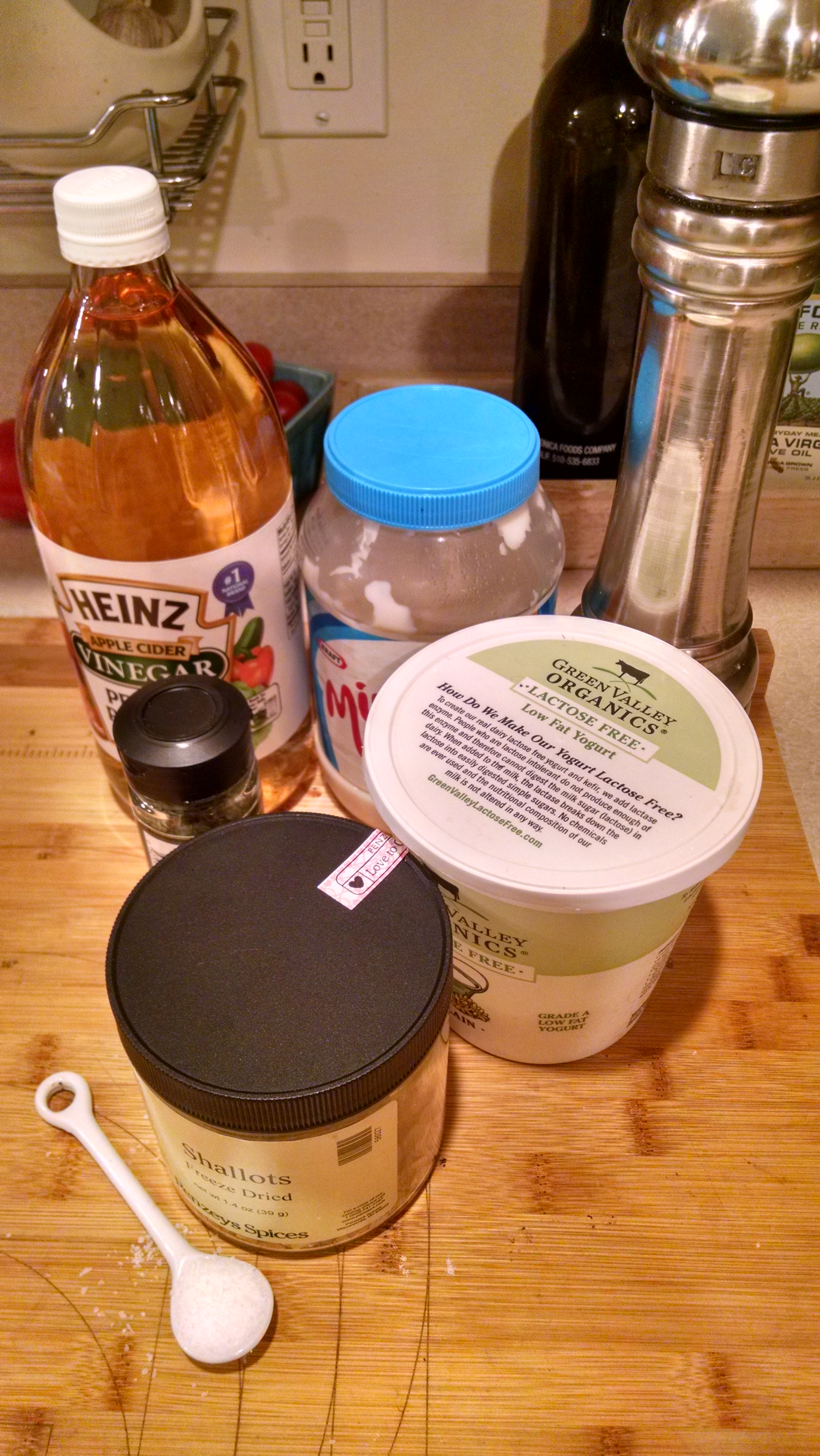
  • 4 TBSP Cider Vinegar
  • 2 cups Mayo

Blend in blender

Add to all other ingredients ½ hour before serving


Refrigerated Dill Slices

Refrigerated Dill Slices

We made these last year and they came out great so when the pickling cukes looked good I sliced and made up a few jars and just 2 weeks later. I was going to bring a jar up to the annual Russo BBQ but I forgot,  poor them, lucky us. This year’s batch came out a little spicier but we thought, including everyone at work that the kick was nice.

What I like is that when empty I can add more slices to them and in 2 weeks start munching again.

Yield: About 5 pint jars or 2 quart jars.

Ingredients

  • 8 ¼ cups sliced trimmed pickling cucumbers – We like thick slices but suppose you could do as thin as you want or spears if that is how you like them.
  • 2 cups white vinegar
  • 2 cups water
  • 6 tablespoons pickling or canning salt (I used kosher salt)
  • ¼ cup sugar
  • 2 tablespoons pickling spice ( see recipe below if you want to make your own)
  • 7 ½ teaspoons dill seeds
  • 5 teaspoons mustard seeds
  • 1 ¼ teaspoon whole black peppercorns
  • 5 cloves garlic, halved (optional)

IMG_20140809_104620587_HDR

How

Place cucumber slices in a large glass or stainless steel bowl. Set aside.

Combine vinegar, water, pickling salt, sugar and pickling spice in a medium stainless steel saucepan. Bring to a boil over medium-high heat, stirring to dissolve salt and sugar. Reduce heat, cover and boil gently for 10 minutes.

Pour pickling liquid over cucumber slices. Cover with waxed paper and set aside until cooled to room temperature, about 30 minutes.

Place 1 ½ teaspoon dill seeds, 1 teaspoon mustard seeds, ¼ teaspoon peppercorns and two garlic clove halves in each of one five pint jars. Add cucumber slices to within a generous ½-inch headspace of top of jar. Ladle pickling liquid into jar to cover cucumbers, leaving ½-inch headspace. Apply lids. For best results, allow cucumbers to marinate in refrigerator for at least 2 weeks and use within 3 months.

From “Ball Complete Book of Home Preserving:

IMG_20140809_104531511

Home Made Pickling spice

  • 2 Tblsp mustard seed
  • 1 1/2 Tblsp whole allspice (you can use 1-2 Tblsp)
  • Optional – 2  tsp coriander (add it if you’d like, it’s in most mixes)
  • 1/2 tsp whole cloves
  • 1/2 tsp ground ginger
  • 1/2 tsp dried red pepper flakes (up to 1 tsp)
  • 4 bay leaves, crumbled (I don’t think you can add too many of these, add more if you’d like)
  • 1 cinnamon stick, 2-2 1/2″, crushed
  • 1/2 tsp celery seed-optional
  • 1 tsp black peppercorns

Pickle spices

How

Break up cinnamon, tear bay leaves into bits, mix all, store in an airtight container.
This makes approx 4 Tblsp, enough for 2 quart jars of pickles. If there’s a little mix left over, just add it to your pickle jar and use it up.

Master chef

image

I cook you a nice pie

No words needed

image

The twins

What a difference an hour make

What a difference an hour make

I went out on the deck this morning  and thought the the passion fruit vine looked ready so I too a few snap shots1

Then  about an hour later I noticed this, it looked liked it was just starting to do something

2

Then about an hour later

3

Then again another hour

4

we got one a few weeks ago but never saw this happen like today, here is the one from a few weeks ago


100_2041

we had combine two separate plants last fall so I guess that is why two different colors.

They only last one day

Passion Fruit

PASSION FRUIT

B/W sketch

Passiflora edulis / P. edulis flavicarpa

Passifloraceae

Common Names: Passion Fruit, Granadilla, Purple Granadilla, Yellow Passion Fruit

Related Species: Fragrant Granadilla (Passiflora alata), Red Granadilla (P. coccinea), Maypop (P. incarnata), Yellow Granadilla (P. Laurifolia), Sweet Granadilla (P. ligularis), Sweet Calabash (P. maliformis), Banana Passion Fruit (P. mollissima), Giant Granadilla (P. quadrangularis).

Origin: The purple passion fruit is native from southern Brazil through Paraguay to northern Argentina. It has been stated that the yellow form is of unknown origin, or perhaps native to the Amazon region of Brazil, or is a hybrid between P. edulis and P. ligularis. Cytological studies have not borne out the hybrid theory. In Australia the purple passion fruit was flourishing and partially naturalized in coastal areas of Queensland before 1900. In Hawaii, seeds of the purple passion fruit, brought from Australia, were first planted in 1880 and the vine came to be popular in home gardens.

Adaptation: The purple passion fruit is subtropical and prefers a frost-free climate. However, there are cultivars that can take temperatures into the upper 20’s (°F) without serious damage. The plant is widely grown in California as far north as San Jose, the Monterey Bay Area and the San Franciso Bay Area. The vines may lose some of their leaves in cool winters. The roots often resprout even if the top is killed. The plant does not grow well in intense summer heat. The yellow passion fruit is tropical or near-tropical and is much more intolerant of frost. Both forms need protection from the wind. Generally, annual rainfall should be at least 35 inches. Passion fruit vines make good container specimens but require maintenance. They perform well indoors.

DESCRIPTION

Growth Habit: The passion fruit is a vigorous, climbing vine that clings by tendrils to almost any support. It can grow 15 to 20 ft. per year once established and must have strong support. It is generally short-lived (5 to 7 years).

Foliage: The evergreen leaves of passion fruit are alternate, deeply 3-lobed when mature and finely toothed. They are 3 to 8 inches long, deep green and glossy above, paler and dull beneath and, like the young stems and tendrils, tinged with red or purple, specially in the yellow form.

Flowers: A single, fragrant flower, 2 to 3 inches wide, is born at each node on the new growth. The bloom, clasped by 3 large, green, lifelike bracts, consists of 5 greenish-white sepals, 5 white petals and a fringelike corona of straight, white-tipped rays, rich purple at the base. It also has 5 stamens with large anthers, the ovary and triple-branched style forming a prominent central structure. Purple passion fruit is self-fruitful, but pollination is best under humid conditions. The flowers of the yellow form are perfect but self-sterile. Carpenter bees are the most efficient pollinator, much more so than honey bees. Wind is ineffective because of the heaviness and stickiness of the pollen. The flowers can also be hand pollinated.

Fruit: The nearly round or ovoid fruit, 1-1/2 to 3 inches wide, has a tough rind that is smooth and waxy and ranging in hue from dark purple with faint, fine white specks, to light yellow or pumpkin-color. Within is a cavity more or less filled with an aromatic mass of double walled, membranous sacs containing orange-colored, pulpy juice and as many as 250 small, hard, dark brown or black, pitted seeds. The unique flavor is appealing, musky, guava-like and sweet/tart to tart. The yellow form has generally larger fruit than the purple, but the pulp of the purple is less acid, richer in aroma and flavor, and has a higher proportion of juice (35-38%). Numerous hybrids have been made between purple and the yellow passion fruit, often yielding colors and other characteristic intermediate between the two forms. The vine, especially the yellow form, is fast-growing and will begin to bear in 1 to 3 years. Ripening occurs 70 to 80 days after pollination.

CULTURE

Location: Plant passion fruit vines in full sun except in very hot areas where partial shade is preferable. The vine can be rather rampant, so it is important to plant it next to a chain link fence or install a strong trellis before planting. The plants can also be trained into an attractive arbor.

Soil: Passion fruit vines grow on many soil types but light to heavy sandy loams with a pH of 6.5 to 7.5 are the most suitable. Excellent drainage is absolutely necessary. Also, the soil should be rich in organic matter and low in salts. If the soil is too acid, lime must be applied. Because the vines are shallow-rooted, they will benefit from a thick layer of organic mulch.

Irrigation: Regular watering will keep a vine flowering and fruiting almost continuously. Water requirement is high when fruits are approaching maturity. If the soil is dry, fruits may shrivel and fall prematurely.

Fertilization: Passion fruit vines are vigorous growers and require regular fertilizing. A good choice is 10-5-20 NPK applied at the rate of 3 pounds per plant 4 times a year. Too much nitrogen results in vigorous foliage growth at the expense of flowering. Passion fruit vines should always be watched for deficiencies, particularly in potassium and calcium, and of less importance, magnesium. Plants that have been damaged by frost should receive a generous fertilizing after the weather has warmed

Pruning: Pruning is necessary to keep the vines within bounds, to make harvest easier and to keep the plants productive by maintaining vigorous growth. In warm winter climates prune immediately after harvest. In areas with cool winters prune in early spring. As a a general rule remove all weak growth and cut back vigorous growth by at least one third. In very hot climates allow a thick canopy of foliage to grow around the fruit to prevent sunburn.

Frost Protection: Because of their mass, passion fruit vines are difficult to cover when freezes threaten, but the layers of leaves help protect the inner branches from frost damage. The plant will also usually come back even when frozen to the ground. The best strategy is to grow the vines against a wall or deck or in a patio. Any kind of overhead protection provides additional benefits.

Propagation: Passion fruit vines are usually grown from seeds. With the yellow form seedling variation provides cross-pollination and helps overcome the problem of self-sterility. Seed planted soon after removal from the fruit will germinate in 10 to 20 days. Cleaned and stored seeds have a lower and slower rate of germination. Seeds should be planted 1/2 to 1 inch deep in beds, and seedlings may be transplanted when 10 inches high. If taller (up to 3 feet), the tops should be cut back and the plants heavily watered.

Plants can also be propagated by layers or cuttings of matured wood with 3 to 4 nodes. Rooting may be hastened by hormone treatment. Cuttings should be well rooted and ready for setting out in 90 days. Grafting is an important means of perpetuating hybrids and reducing nematode damage and diseases by utilizing the resistant yellow passion fruit rootstock. Scions of healthy young plants are grafted to seedlings, making sure the diameter of the scion matches that of the rootstock. Either a cleft graft, whip graft or side-wedge graft may be made.

Pests and Diseases: In tropical areas passion fruit vines are attacked by a host of pests and diseases. In these areas the purple passion fruit is particularly susceptible to nematodes, while the yellow passion fruit is more nematode resistant. In California the problems are much less severe, although the plants can be afflicted with nematodes and viruses as well as Fusarium and other diseases that thrive in cool soils. Nematodes are partially responsible for the short life of many passion fruit vines. Snails can also be a serious problem in California, often completely stripping a vine of leaves and bark, killing young plants or predisposing them to disease.

Harvest: The fruit will quickly turn from green to deep purple (or yellow) when ripe and then fall to the ground within a few days. They can either be picked when they change color or gathered from the ground each day. To store passion fruit, wash and dry them gently and place them in bags. They should last 2 to 3 weeks at 50° F. The fruit is sweetest when slightly shriveled. Both the fruit and the juice freeze well. The flavor of passion fruit blends well with citrus and many other fruit flavors, and is quickly appreciated by many people as they become familiar with it.

CULTIVARS

Purple form

Black Knight
Developed in Massacusetts for pot culture by Patrick Worley. Fragrant, dark purple-black fruit, the size and shape of large egg. Flavor excellent. Vigorous, compact vine, self-fertile, very fruitful. Handsome glossy foliage. Excellent for containers.
Edgehill
Originated in Vista, Calif. Similar to Black Knight, but more vigorous, larger growing and with larger purple fruit. One of the best outdoor cultivars for Southern California.
Frederick
Originated in Lincoln Acres, Calif. by Patrick Worley. Kahuna X Brazilian Golden. Large, nearly oval fruit, greenish-purple with reddish cast. Slightly tart flavor. Good for eating out of hand, excellent for juicing. Extremely vigorous, self-fruitful vine. Very productive, more compact than P. edulis flavicarpa.
Kahuna
Very large, medium purple fruit. Sweet, subacid flavor. Good for juicing. Vigorous, productive self-fertile vine. Produces over a long season. Large, attractive foliage.
Paul Ecke
Originated in Encinitas, Calif. Medium-sized purple fruit of very good quality. Suitable for juicing and eating out of hand. Compact, very productive vine.
Purple Giant
Very large fruit, dark purple when mature.
Red Rover
Originated in Lincoln Acres, Calif. by Patrick Worley. Kahuna X Brazilian Golden. Medium to large, roundish fruit. Rind an attractive clear red color. Sweet, notably rich flavor with tart overtones,. Good for eating out of hand or juicing. Vine very vigorous, compact and self-fertile.

Yellow form

Brazilian Golden
Large, golden-yellow fruits, larger than standard forms. Flavor somewhat tart. Extremely vigorous vine, requiring cross-pollination. Extra large, fragrant flowers, white with a dark center, blooming during mid-summer. Produces one large crop beginning in late August or early September.
Golden Giant
A large yellow-fruited cultivar that originated in Australia.


100 cherries pitted and ready

100 cherries pitted and ready

We grabbed a couple of bags, now they are pitted and ready what to do, what to make. I have to step away or there won’t be any left, though it would make the decision easier.

IMG_20140713_131402832


5 Health benefits of cherries

Cherries help ease arthritis pain

For those who suffer from arthritis and gout, you will be relieved to find out that adding cherries to your diet can greatly decrease the intense pain associated with those ailments. Excess uric acid in the blood is the culprit behind the excruciating pain that causes swelling, tenderness and inflammation.  A study done by the USDA found that uric acid can be reduced by as much as 15 percent by eating 2 cups of Bing cherries. Cherries can also help reduce painful inflammation by decreasing the amount of C-reactive protein produced. So add a little zing to your diet by choosing Bing (cherries).

Cherries help fight cancer

The distinctive deep red pigment cherries are known for comes from flavonoids; powerful antioxidants that help fight free radicals in the body. Cyanidin is a flavonoid from the anthocyanin group found in cherries that helps keep cancerous cells from growing out of control. And, for cherries with the most anthocyanins go for sweet cherries with the deepest pigment; crimson-purple rather than bright red.

Cherries help you sleep

If sipping a cup of chamomile isn’t enough to induce restful sleep try having tart cherry juice before bed. Tart cherries contain melatonin, a hormone that helps make you feel sleepy. Two tablespoons of tart cherry juice has been shown in studies to be just as effective as a melatonin supplement. So, pour yourself a little cherry juice nightcap for a tasty bedtime sleep aid.

Cherries and blood pressure

Cherries are an excellent source of potassium, which helps to lower blood pressure by getting rid of the excess sodium in our body. Eating cherries helps keep potassium and sodium in balance, and can prevent hypertension from occurring. One cup of cherries has the same amount of potassium as a banana


Cherries

Stuffed Grape leaves and stuffed peppers- an act of love

Stuffed Grape leaves and stuffed peppers- an act of love

This was an act of love, I mean really an act of love but well worth it.

Prepared two things  separate times, stuffed grape leaves and stuffed peppers booth same recipe just different holders so to speak. I made these months ago not sure why I have delayed posting perhaps it was a traumatic experience for me. The first batch I had some left over stuffing and a red peeper so tried that out. Hence the second batch was just the peppers. Thanks to Richard for loaning me his Armenian Cooking Today book. Now I know what to do with all the grape leaves that grow in the woods beside, around the house and neighborhood. Through him, his aunt suggest only using the younger leaves. I tried this with store bought and learned that one should definitely soak the leaves in water to get rid of the salt which seemed to grow stronger as the days went on.


Stuffed Grape leaves and stuffed peppers

grape-2-300x225

Ingredients

  • 3 pounds onions, chopped about 10 cups
  • 1 cup olive oil
  • 1 cup long grain rice
  • 2 Tbsp. minced parsley
  • ¼ cup minced dill
  • 1 Tbsp. sugar
  • 2 teaspoons salt
  • ¼ tsp. cayenne pepper
  • ½ tsp. ground allspice
  • ½ cup pine nuts
  • ¼ cup currants or golden raisins
  • 1 tomato, peeled and finely chopped
  • 1 Tbsp. tomato paste
  • 2 ¼ cups water
  • Juice of half a lemon 1 jar grape leaves (12 oz)


stuffed peppers

stuffed peppers

stuffed grape leaves

stuffed grape leaves

How

In a large skillet sauté onions in oil over medium heat for 15 to 20 minutes, stirring occasionally until onions are begin to wilt. Add the ingredients up to and including the currants /raisins.

IMG_20140531_110741632_HDR

Combine the tomato and tomato paste with half a cup of water and add to the skillet, blending in carefully. Lower the flame, cover and cook additional fifteen minutes, Shut flame, Let cool ten minutes the add lemon juice and stir.

Spread grape leaf shinny side down with stem end at bottom. Place a spoonful of stuffing in center, fold over both sides and roll from the bottom too the tip of the leaf, It will resemble a small sausage when rolled up. Continue with remain leaves.

IMG_20140420_130119430

grape.leaves.rolling.method.01

Line the bottom of a wide 6 quart saucepan with the extra grape leaves and dill and parsley stems. Arrange the wrapped leaves, seam side down, in alternating rows. Place a few grape leaves on top and a small inverted dish. Pour in remaining water.

IMG_20140420_130114077

Bring to a boil, then simmer, covered, for about one hour. Let cool in the sauce pan before removing pale or leaves, a t least one hour. Then refrigerate. Serve the stuffed leaves cold or at room temperature. Garnish platter with sprigs of parsley and lemon wedges.
 

Yield about 75 stuffed leaves.  I should have read this line first.

Garnish: parsley sprigs and lemon edges

Gluten-Free Baked Maryland Crab Cakes – First for Women’s magazine

Gluten-Free Baked Maryland Crab Cakes – First for Women’s magazine

Gluten-Free Baked Maryland Crab Cakes – First for Women’s magazine

IMG_20140706_090313016
Ingredients

½ cup canned white beans, drained

2 large eggs

2 Tbs. seafood seasoning, like Old Bay

1 Tbs. Dijon Mustard

1 lb. lumped crabmeat- drained

1 lemon, zested and juiced

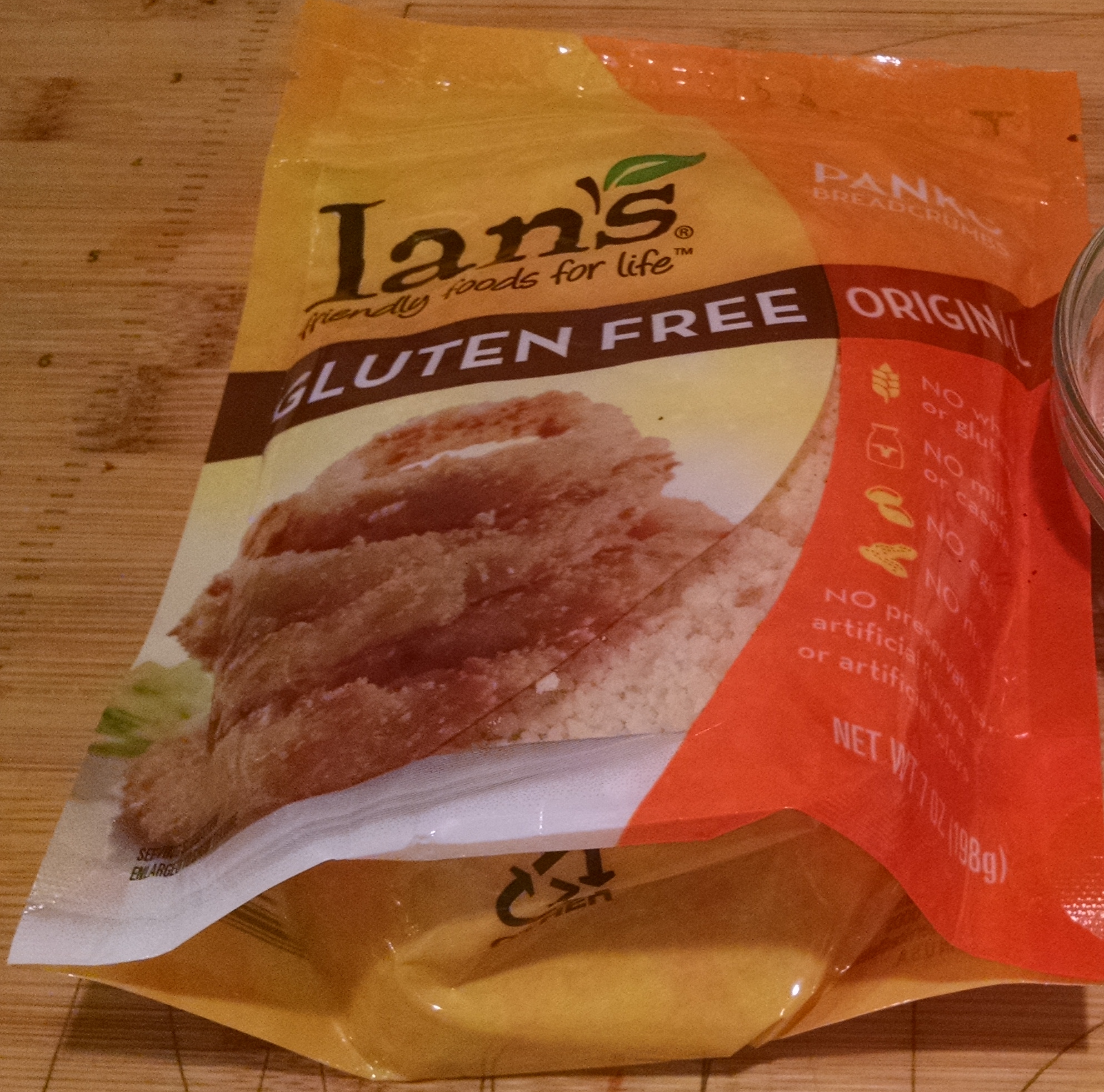
1 Cup Gluten-free panko bread crumbs, divided.


Using the panko breadcrumbs instead of regular ones gives these patties and extra crisp coating and there is no need to fry them in oil.


How

In processor, puree the first 4 ingredients: transfer to bowl. Stir in the crab, w 2 Tbs. lemon juice, 2 tsp. lemon zest and ½ cup panko crumbs, Shape into 8 patties.


Heat oven to 400, Coat the cakes with remaining panko; place on a greased baking sheet, Coat with cooking spray. Bake 12 minutes or until done, turning once and coating again with cooking spray.


Mirepoix

Mirepoix2 parts onion

1 part carrot

1 part celery


Mirepoix (pronounced “meer-pwah”) is a combination of chopped carrots, celery and onions used to add flavor and aroma to stocks, sauces, soups and other foods. The proportions (by weight) for making mirepoix are 50% onions, 25% carrots and 25% celery.

When you’re making stock, the mirepoix is ultimately strained out, so it’s not important to use great precision when chopping the vegetables. The sizes should be more or less uniform, however, to allow for uniform cooking times.

The more finely mirepoix is chopped, the more quickly its flavor and aroma is released into a stock. Since brown stock is simmered longer than white stock, it’s perfectly acceptable to cut the mirepoix into pieces an inch or two in size. For white stock, a ½-inch dice is probably best.

Making Stock with Mirepoix

For brown stocks such as beef stock, use a pound of mirepoix per 6 quarts of cold water. It’s customary to roast the mirepoix before adding it to the stock liquid, which contributes flavor and color to the finished stock.

For white stocks such as chicken stock or veal stock, use about a pound of mirepoix for 5 quarts of cold water. For fish stock, use half a pound of mirepoix per gallon of cold water. You can cook the mirepoix and fish bones in butter for a few minutes before adding the water.

Mirepoix Variations:

  • Leeks can be used in place of some or all of the onions.
  • If you want a colorless stock, you can make a “white mirepoix” by substituting parsnips, mushroom trimmings, or both, for the carrots, or just omitting the carrots altogether.