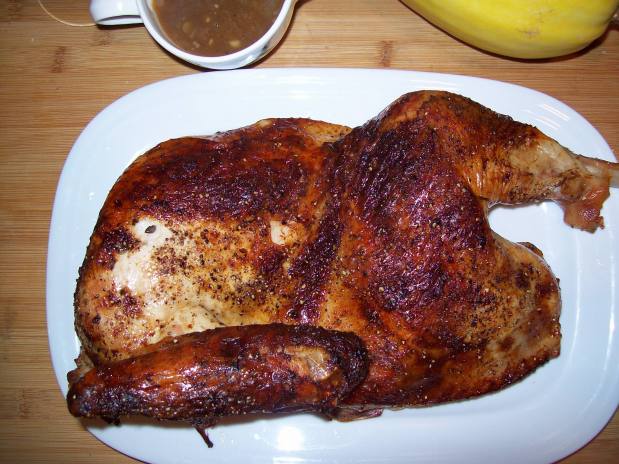
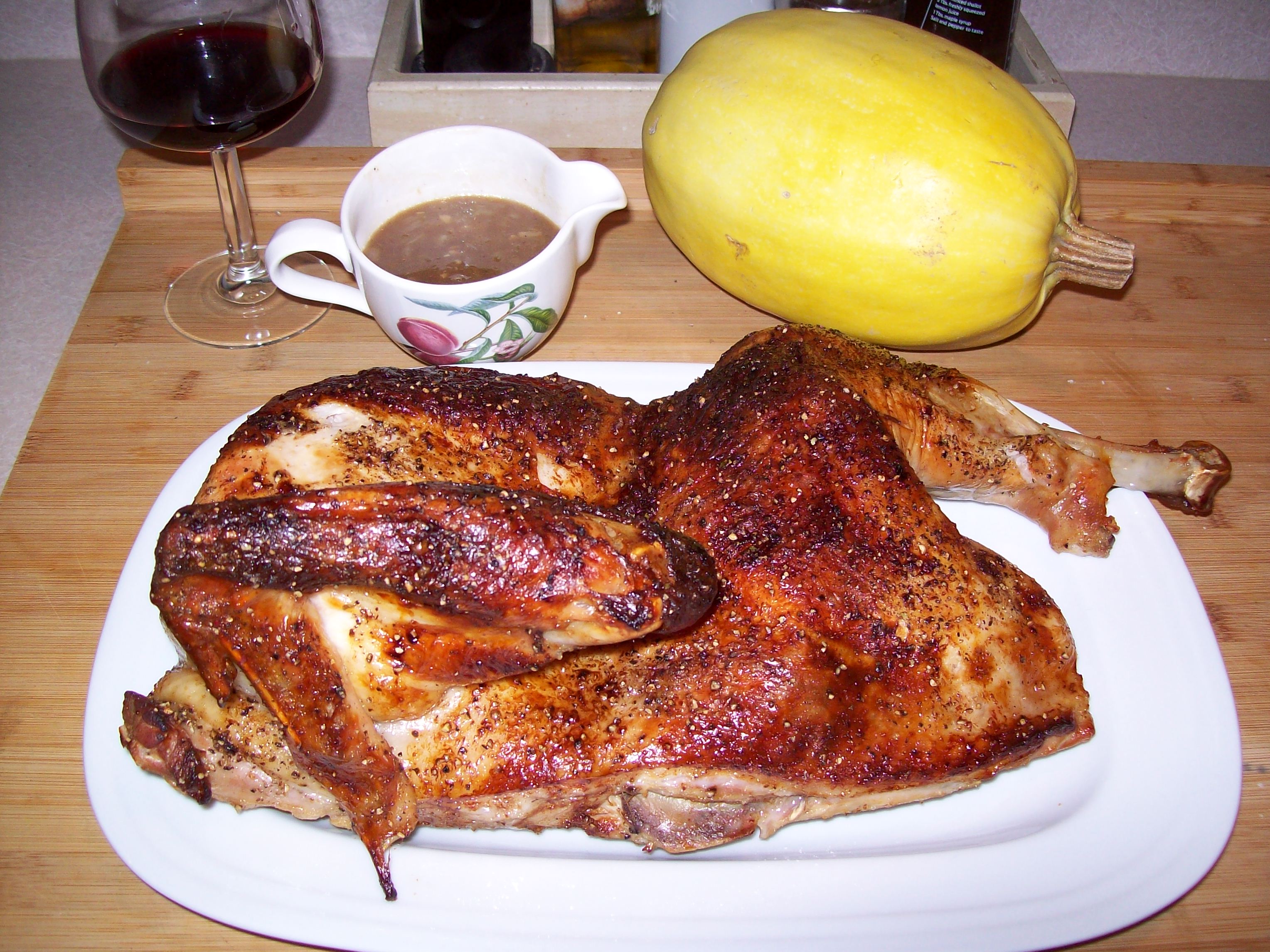
Buttermilk-Marinated 1/2 Turkey with Caramelized Onion Gravy – Trial Run

Buttermilk-Marinated 1/2 Turkey with Caramelized Onion Gravy – Trial Run

About 2 weeks ago whiles cooking, I was turned and asked Lyn, I wonder how turkey would be marinated in buttermilk. I had used butter milk with many of my chicken dishes and always love the results, tender and juicy. So why not Turkey, let’s try it for Thanksgiving. She smiled and said that is a good idea but I hate to try an experiment on that day why not try it first. I personally feel she was secretly hoping I would get discourage and go with a beef tenderloin roast. I did not. I “Googled” turkey and buttermilk and was surprised that others had beat me to it, I was not the genius I thought.  Armed with their ideas we marched to Wholefoods because they were the only ones who had a half turkey before the big day. With half a turkey and a quart of butter milk in my arms I was happy as live turkey after thanksgiving something new to try.

Ingredients:

  • Half (1/2) fresh or thawed frozen turkey (about 6-7 lbs)
  • 1 tablespoon hot sauce, such as Tabasco
  • salt and pepper
  • 1 quart buttermilk
  • 2-3 tablespoons of olive oil
  • 1 tablespoon of butter (optional)
  • 1 tablespoon vegetable oil to rub the turkey with
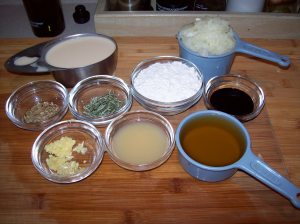
  • 3 onions, chopped
  • 3 cloves garlic, chopped
  • 2 tablespoons flour
  • 2 cups reduced-sodium chicken broth
  • Touch of gravy master

How:

Wash and pat dry the half turkey. Place the turkey, breast side up, in an oven-roasting bag.

Add the hot sauce, 1 tsp. salt and 1 tsp. pepper to the buttermilk container; shake to combine.

Pour the buttermilk mixture over the turkey. Seal the bag, transfer to the refrigerator and let marinate, turning the turkey over once, for at least 4-5 hours. I suppose you could do it over night.

Remove the turkey and pat dry inside and out. Rub the skin with 1 tbsp. oil; season with salt and pepper. Let rest at room temperature.

Preheat the oven to 400 degrees . Tuck the wings behind the back of the turkey. Place the turkey, breast side up, on a rack set in a large roasting pan. Roast, basting once with the pan juices, for 1 hour. Lower the heat to 350 degrees and roast, basting every half hour, until an instant-read thermometer registers 155 degrees when inserted into the thigh, 1 to 1 1/2 hours more. If the turkey is over browning, tent with foil. Remove from the oven, tent and let rest for 30 minutes.

Gravy

While this is cooking

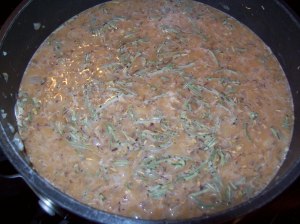
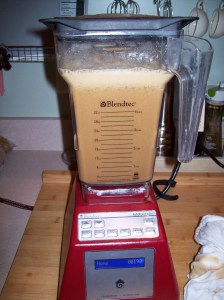
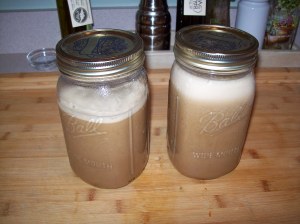
In a large pan, heat the remaining oil over medium heat, add optional butter. Add the onions, garlic, 1/2 tsp. salt and 1/4 tsp. pepper and cook, stirring frequently, until soft and browned until caramelized, about 35-45 minutes. Add the flour cook, stirring constantly, for 1-2 minutes. Add 1/2 cup chicken broth and cook, stirring, until thickened. Add the remaining 1 1/2 cups broth and bring to a boil. Stir in a touch of gravy master. Lower the heat and simmer for 5 minutes. Serve the gravy with the turkey. I was lazy but a nice touch might be to blend the end results together.

Note: The skin was nicely colored, crisp and tasty the meat was really juicy and tender even the breast.

****************************************************************************************************************

Originally, buttermilk was the liquid left over from churning butter from cultured or fermented cream. Traditionally, before cream could be skimmed from whole milk, the milk was left to sit for a period of time to allow the cream and milk to separate. During this time, naturally occurring lactic acid-producing bacteria in the milk fermented it. This facilitates the butter churning process, since fat from cream with a lower pH coalesces more readily than that of fresh cream. The acidic environment also helps prevent potentially harmful microorganisms from growing, increasing shelf-life. However, in establishments that used cream separators, the cream was hardly acidic at all.

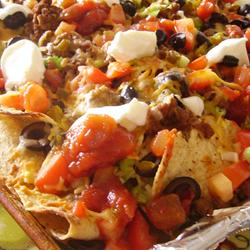
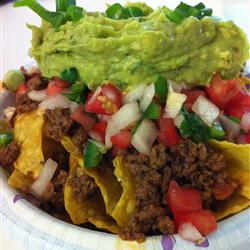
Ridley Believe it or not Nachos

Ridley Believe it or not Nachos

Growing up my son Mike’s specialty was nacho’s he always threw together the best nacho’s ever. When it hit the table we just dove in like a fumble recovery. So I present my version of his Nachos for NEpatriotslife.com game day recipe. I do him no justice.

Did you know Howard Cosell made a huge impact on nachos acceptance to the mainstream!

Do you know who Howard is?

 Ingredients:

  • 1 pound ground beef, chicken or turkey
  • 1 (1.25 ounce) package taco seasoning mix
  • 3/4 cup water
  • 1 (18 ounce) package restaurant-style tortilla chips
  • 1 cup shredded extra sharp Cheddar cheese, or more to taste
  • 1 (15.5 ounce) can refried beans
  • 1 cup salsa
  • 1 cup sour cream, or more to taste
  • 1 (10 ounce) can pitted black olives, drained and chopped
  • 4 scullion onions, sliced thin
  • 1 (4 ounce) can sliced jalapeno peppers, drained

How:

Cook and stir ground beef or whatever- if chicken or turkey add a little olive oil to brown,in a skillet over medium heat until meat is crumbly and no longer pink, 5 to 10 minutes. Drain excess grease. Stir in taco seasoning mix and water and simmer until beef mixture has thickened, 8 to 10 minutes.

Set the oven rack about 6 inches from the heat source and preheat the broiler. Line a baking sheet with aluminum foil.

Spread tortilla chips on the prepared baking sheet; top with Cheddar cheese and dot with refried beans and ground beef mixture.

Broil in the preheated oven until cheese is melted, watching carefully to prevent burning, 3 to 5 minutes.

Top nachos with salsa, sour cream, black olives, green onions, and jalapeno peppers

*********************************************

Howard Cosell: Nachos ultimate champion!!

Now here is where the story gets even better. The tasty snack becomes a specialty in many restaurants in Southern Texas but is virtually unknown anywhere else on the planet. That is until a gentleman by the name of Frank Liberto decided to try to sell the stuff as a concession stand item! He changed up the recipe by reformulating the cheese to be soft all the time and using simple tortilla chips. He began to sell his new version of nachos in 1977 in Arlington Stadium in Arlington Texas. but what really made the concept take off was a visit by “Monday Night Football” later that year. Before the game started they were offering the product in the reception area where Howard Cosell took a liking to the name. That night and for weeks after, Cosell and the rest of the “Monday Night Football” team worked the word nacho and the product itself in wherever they could! From there on out nachos quickly grew into the massive force they are today!!

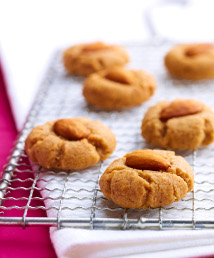
Lyn’s Almond Butter Cookies

Lyn’s Almond Butter Cookies

I know she got these out of a natural health magazine many years ago and that these are good, real good, that’s all I will write. Smell the almond.

About 3 1/2 dozen cookies

Ingredients

  • 24 whole almonds
  • 2 cups unbleached all-purpose flour
  • 1/8 teaspoon baking powder
  • 1/4 teaspoon sea salt
  • ½ cup maple syrup
  • 2/3 cup almond butter
  • 6 tablespoons unsalted butter, melted
  • 1 teaspoon vanilla extract
  • ½ teaspoon Vanilla extract
  • ½ teaspoon almond extract
  • 1 teaspoon finely grated orange zest.


How

Preheat the oven to 350°. Lightly grease 2 backing sheets

Blanch the almonds in boiling water for 45 seconds. Drain and rinse under cold running water, squeeze each almond to pop it out of its skin; transfer almonds to cookie sheet and toast in the oven for 8 minutes.

Sift the flour, baking soda, and salt together in a bowl.

In another bowl, whisk together maple syrup, almond butter, melted butter, vanilla and almond extracts and orange zest until smooth.

Fold the flour mixture into the almond butter mixture.

Form the dough into walnut sized balls. Place the balls 3 inches apart on the backing sheet and gently flatten into 1 ½ inch rounds. Press an almond into each cookie. Bake for 15 to 18 minutes, rotating the baking sheets halfway through for even baking. Transfer the cookies to a wire rack to cool until crisp.

***************************

Is this true?

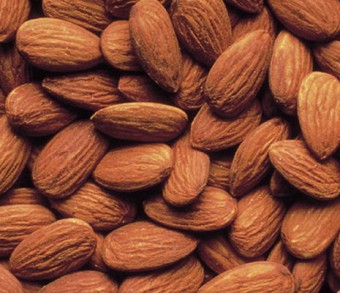
Almonds are not nuts.  In fact, an almond is the seed of the fruit of the almond tree.  This tree bears fruits with a “stone-like” seed within.

Fruits with these characteristics are called “drupes”.  Specifically, a drupe is a fruit that has an outer fleshy part surrounding a shell that contains a seed.  Other drupes include fruits from walnut trees and coconut trees.

The seed inside the almond fruit is what is commonly referred to as an almond “nut”, even though it’s not a nut.  A nut is a hard shelled fruit that has an indehiscent seed; more simply, a hard shelled fruit that doesn’t open to release its seed(s).  An example of a true nut would be an acorn or chestnut.

This all gives a whole new perspective to the famous Almond Joy jingle “Sometimes you feel like a nut; sometimes you don’t”.  When you feel like a nut, an Almond Joy wouldn’t do you any good due to the ingredients primarily comprising of chocolate (bean), coconut (seed), and almonds (seed).  The ending of the jingle, like so many advertisements, is then just plain false advertising: “Almond Joy’s got nuts” (LIES!!!), “Mounds don’t”.

Read more at http://www.todayifoundout.com/index.php/2010/04/almonds-are-not-nuts/#SMiq8OzorPKfmDkT.99

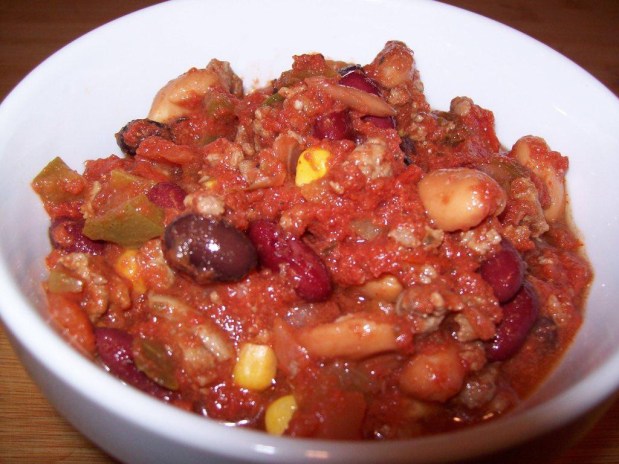
Mimi Chili

Mimi Chili

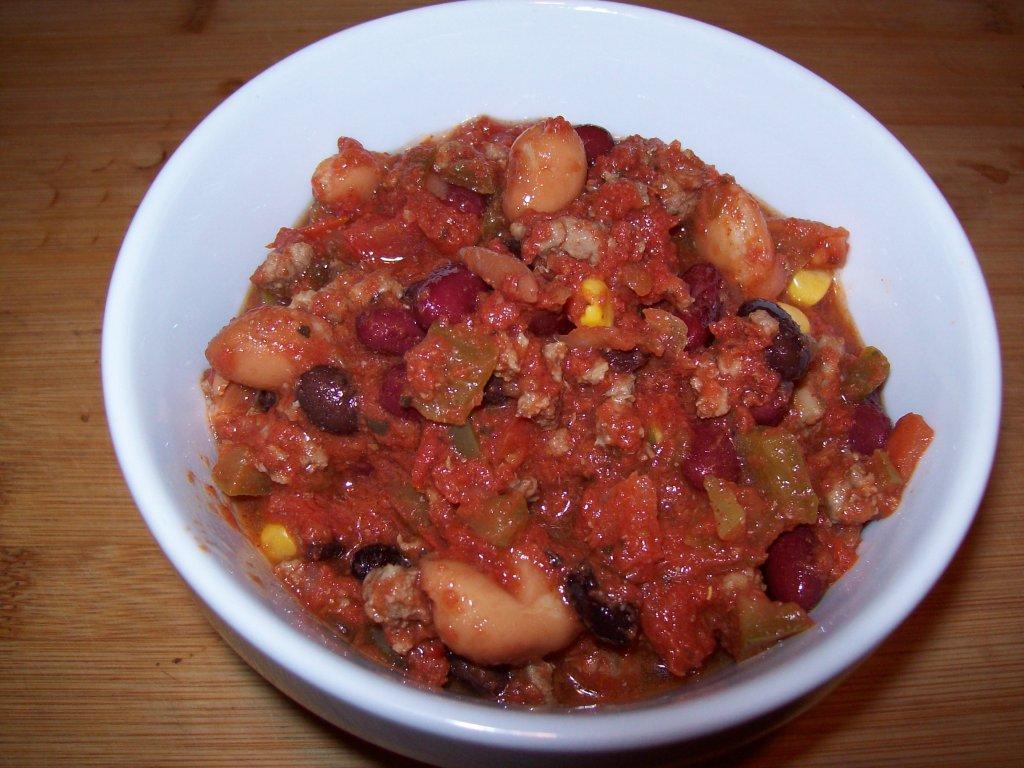
Every once in a while I come home from work and there is a package sitting there beside the garage door with the return address of Maine on it. A smile grows across my face I know that it is a special treat from Lyn’s sister, Mimi. This time is was chili packed with just the right amount of freezer bags keeping it a perfect temp and ready to heat up. I asked her for the recipe and as she says it kind of hard I just sort of throw it together but here ya go! So I give you a totally buildable recipe that I know I have enjoyed for years. What about some of that spinage bread?? Take some pictures while you make it and I’ll post with your permission ofcourse.

 Ingredients

  • 1 lb to 1 1/2 lb. Hamburg
  • 1 big can Cento Crushed tomato
  • 1 big can Hunt’s Sauce
  • 1 can Stewarts shelled beans
  • 1 can Bush’s black beans
  • 1 can Bush’s dark red kidney bean
  • 1 bag frozen diced green peppers
  • 1 can Hunt’s tomato paste
  • Frozen corn
  • 1/2 bag frozen diced onions
  • Old El Paso Chili mix
  • Weber’s Grill Master’s Hamburg seasoning to taste
  • cumin
  • chili powder
  • onion powder
  • garlic powder
  • basil
  • cilantro
  • salt & pepper

How

Heat in pan, add Old El Paso Chili mix, spice with cumin, chili powder, onion & garlic power, basil, cilantro salt & pepper to taste. 1 can Stewarts shelled beans, 1 can Bush’s black beans, 1 can Bush’s dark red kidney beans. In frying pan brown hamburg, season with salt & Weber’s Grill Master’s Hamburg seasoning to taste. Strain and add to chili pot. Add 1 can Hunt’s tomato paste to chili w/ little water if chili too thick. Add some corn to it if you like, as always season to taste with spices & hot sauce.

**********************************

Cumin

An aromatic spice with a distinctive bitter flavor and strong, warm aroma due to its abundant oil content. Cumin “seeds” are actually the small dried fruit of an annual plant in the parsley family. Native to the Mediterranean, cumin is hotter to the taste, lighter in color, and larger than caraway, another spice it’s sometimes confused with. Sold whole or ground, the seeds come in three colors: amber, white or black. Amber is most widely available, but the black has such a complex flavor it should not be substituted for the other two. Cumin is a popular ingredient in Middle Eastern, Asian, Mediterranean and Mexican cuisines, and is one of the main ingredients in curry powder.

How to store: Store in an airtight container and place in a dry, cool area, away from light. Flavor and aroma can be retained for up to six months.

Matches well with: beans, chicken, couscous, curry, eggplant, fish, lamb, lentils, peas, pork, potatoes, rice, sausages, soups, stews, eggs

Crockpot Beef Stew with Red Wine

Crockpot Beef Stew with Red Wine

I love when the temps turn to sweatshirt weather, a time when your cheeks get that slight wind chill burn when you’re out for a walk. Work is located downtown and I walk 2 miles every lunch time to keep in shape, get some fresh air but mostly just to clear the head. I have come up with many solutions to the days pressing issue while walking. I’m and IT guy with 35 or so users spread out in 5 locations with an additional 6 servers/PCs to service. To top it off sales is on the road here and in Asia a lot of the time. So every call I get it is 99.99% chance of being issue call. As anyone in my situation will tell you every caller does not give a _____ about anyone else problems just theirs. Oh yeah you take care of the president first, no matter what.

Anyway back to my daily walks, some of the shop owners, police and the mentally challenged give me the nod as I walk by with ear buds blocking out the sounds of downtown Milford and the local neighborhood. I have become a townie it has been since I was in my teens that I’ve been there. Different town different times.

Lyn and I finally broke down and bought a new crockpot, one that you can put the pot on the burner and brown saving those great little flavor bits on the bottom. With sweatshirt weather there is nothing better than coming in from outside and smelling the rich flavors of a great beef stew, heck even a bad one smells good.  As promised here is that quick beef stew recipe I made. I made a small batch since I am still on the fend for yourself diet but made sure I had left overs.


Ingredients

  • 1 pounds stew beef like bottom round, well trimmed and cut into 2-inch pieces
  • 1 cup all-purpose flour
  • ½ tsp. ground pepper
  • *********
  • Pinch or two of red hot pepper flakes
  • 1-2 Tbsps. olive oil (plus more if needed)
  • 1 medium to large onions, ruff chop
  • ¼ cup ketchup – I did not have tomato paste that would probably be about 1-2 Tbsps.
  • 1/2 cup dry red wine
  • 1 large potato, cut into 2-inch pieces
  • 1 cup bay carrots
  • ¼-1/2 cup chicken broth would have been better with beef broth but again I did not have.
  • 1 teaspoon kosher salt
  • ¼ teaspoon dried thyme leaves
  • 1 bay leaf
  • *********
  •  ¼-1/2 cup frozen peas put in when almost ready to serve
  • ¼-1/2 cup frozen corn put in when almost ready to serve


Directions

1. Coat the beef in the flour and pepper. I like to put in plastic bag and shake to coat. Heat a few tablespoons of the oil in a crockpot pot over medium-high heat. Brown the meat, a few pieces at a time, adding more oil as necessary. Remove and set aside.

2. Add the onions to the skillet and cook over medium heat until tender, about 5-10 minutes. Stir in the ketchup and coat the onions. Remove and set aside.

3. Place pot in crockpot, pour the wine into the pot and scrape up any browned bits. Stir in the potatoes, carrots, broth, salt, thyme, red pepper flakes and bay leaf.

4. Cover and cook on low heat for 7 ½-8 hours, or on high for 4 hours. Add the peas and corn and heat through.

I was nervous because it was a small batch but it came out pretty darn good.

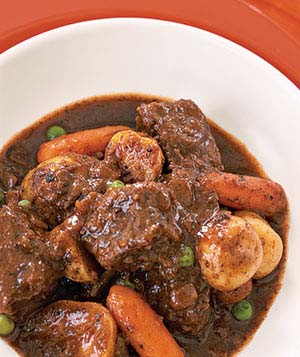
My pictures did not come out that great so I admit it I borrowed one from the web. Thanks Susie Cushner interestingly enough her recipe was real close to what I did. Our gut instincts must be close.
Lettuce Wrapped Pork with Pine Nuts in a Hoisin Sauce

Lettuce Wrapped Pork with Pine Nuts in a Hoisin Sauce

Ok I have been absent for a little while, I have been cooking and taking pictures but just got into politics and maybe a little lazy. Ok mostly a little lazy. I am still on the fend for yourself diet so a lot of what I make is spur of the moment, open the Frig and see what’s in there. We did buy a new crock pot, do they still call them that? I did a quick beef stew in a red wine gravy which came out great but that’s another post to come.

Ingredients:

Remember I eyeball most times 
  • 1 Tbsp. Peanut Oil.
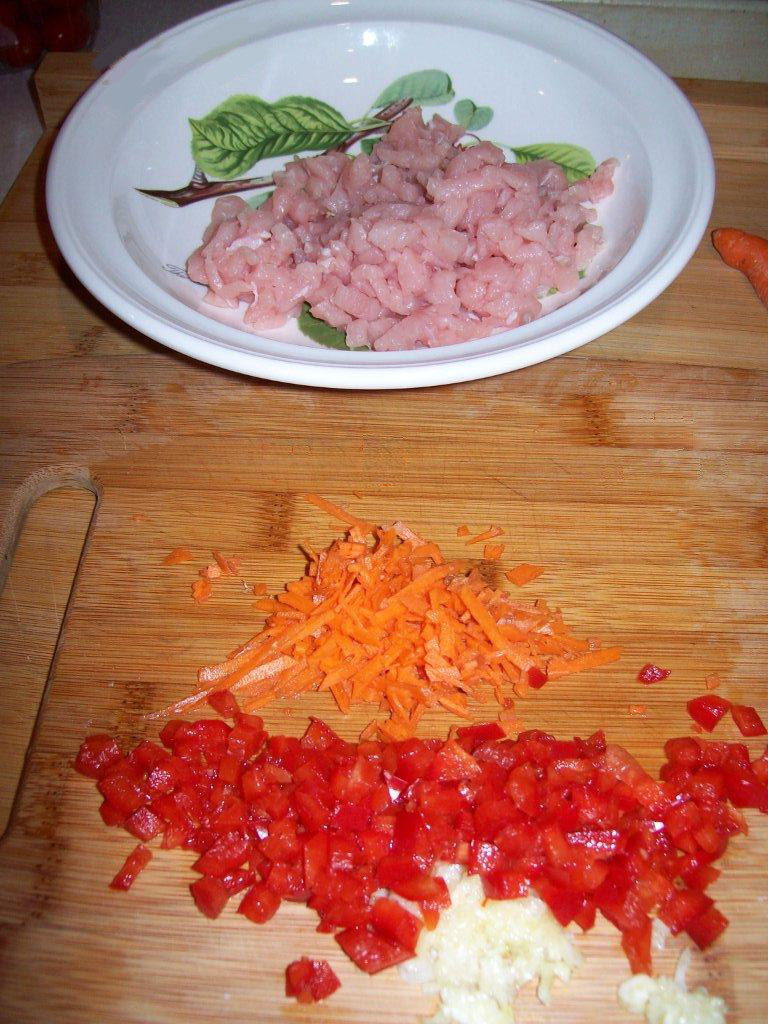
  • About 1 lbs. of pork cutlet pounded then diced 1/8 to ¼” or smaller. If you partially freeze the cutlet it is so much easier to dice or mince.
  • 1 small onion 1 diced about 1/3 cup.
  • 1/2 red bell pepper minced
  • pinch or two of red hot pepper flakes cause spice is nice
  • 1/3 cup finely pan toasted pine nuts.
  • 1 ½ to 2 Tbsp. Hoisin sauce.
  • Kosher salt and pepper to taste
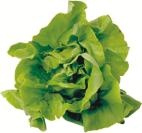
  • Romaine, Iceburg or Boston Bib Lettuce I suggest the Bib lettuce it wraps better. However, this was a spur of the moment meal. YA use what you’ve got.
  • 1 carrot diced small. I have a julienne which makes dicing so much easier

How:

In large skillet or WOK, heat the peanut oil until shimmering. Add the pork and stir fry over high heat until just cooked through about 3-5 minutes depending on the dice size. Use slotted spoon to remove the pork and put aside.

Add the onion, carrot and red bell pepper to the skillet cook over medium or slightly lower heat until soften about 2-4 minutes. Stir in the pine nuts, and Hoisin sauce. Return the pork to pan stirring to coat evenly about 1 minute.

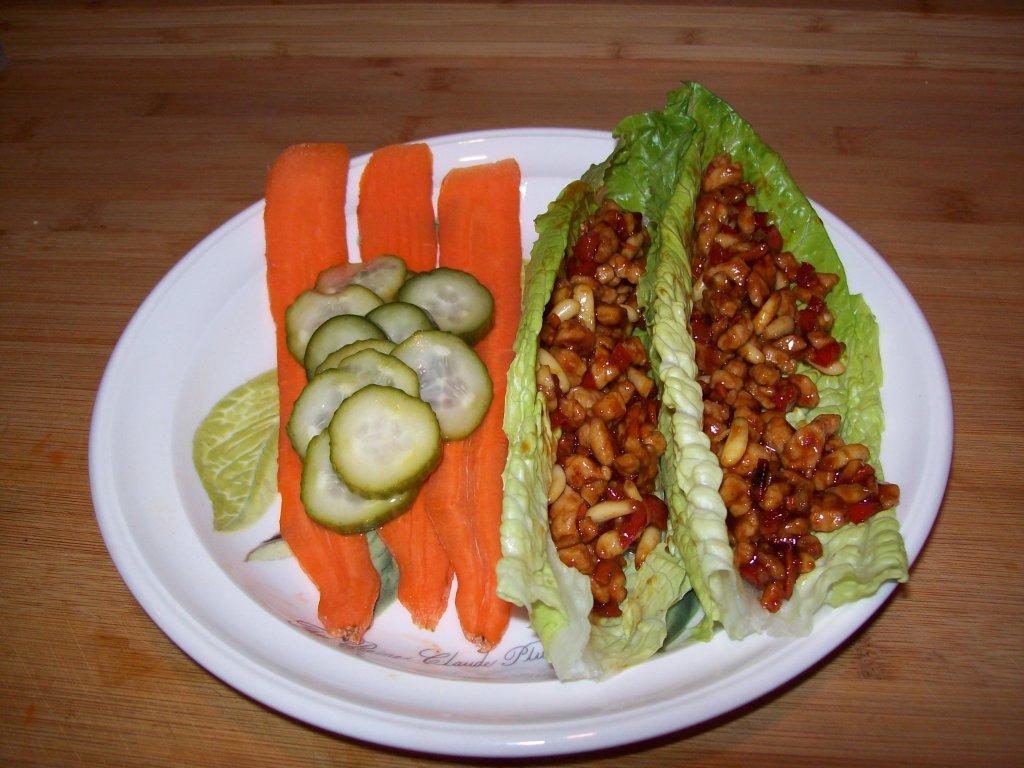
Spoon the mixture into lettuce leaves for wrapping.

Hint, you may have to remove pan from heat if it is too hot so it does not thicken up too much. You can always add a touch of chicken broth or water in needed but you want it semi thick not watery.

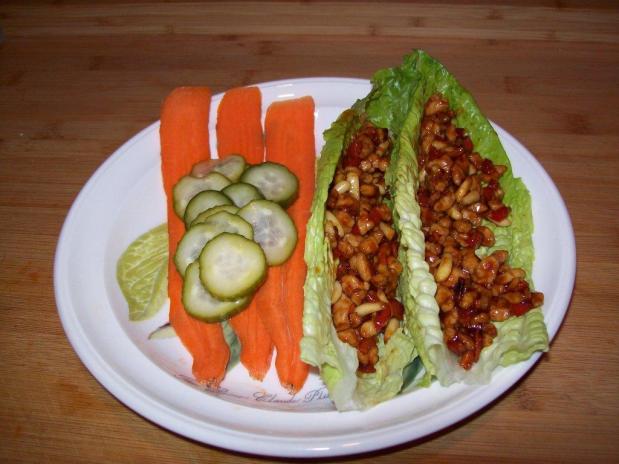
I served with Lyn’s homemade ginger pickled cucumbers on a bed of wide sliced carrots, now if she would only tell me how I could post.

Enjoy

*********************************************************************************************************************

Lettuce wraps are turning up in restaurants across the country. First popular in Asian cuisines, lettuce wraps are now popping up on the menus of other styles of restaurants. In restaurants, they are most often offered as an appetizer, but I like them as my main course. Kids love them as they get to eat with their hands and it is ok. You don’t have to visit a restaurant to enjoy lettuce wraps. They’re quick and easy to prepare at home. This is also a great way to lower your consumption of carbohydrates by replacing the bread on a sandwich

Lettuce wraps are very easy to create with an almost endless array of ingredient variations. You can also use the same ingredients that you use in burritos, tortillas, pita bread, or spring rolls. Jut let your imagination and taste buds be your guide. They key to great wraps is the contrast of warm, flavorful fillings with the cool crunch of lettuce.

For a party, offer a variety of lettuces and a variety of fillings such as cold chicken salad, grilled beef teriyaki strips, Italian sausage, onions, shredded cheese, and water chestnuts.

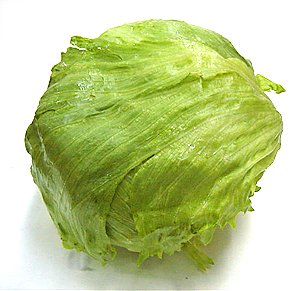
Iceberg is the most common lettuce used, but the wide, strong leaves of romaine, red leaf, or slightly bitter escarole offer surprising changes of pace.


For best results, pick the largest, most pliable lettuce leaves. types to use are iceberg, red lettuce, radicchio and/or large spinach leaves. Dry lettuce well before using in the wraps.

To keep iceberg lettuce crisp, cut the core out. Fill the core with cold tap water, then drain for 15 minutes. It will stay crisp for up to two weeks in the refrigerator.

Lettuce wraps info from http://whatscookingamerica.net/Sandwich/LettuceWraps.htm

THE TASTING ROOM FAQ

THE TASTING ROOM FAQ

Lyn and I were doing our weekend chores, you know running around doing all the stuff you can’t do during the week or just can’t seem to get up off the couch after work to do. Anyway we passed the plaza that the Tasting Room was an Italian wine shop that we had read about in Milford Town Crier. We pulled in and stopped, a pleasant surprise. They, Guido & Son Italian Imports, import their wines from Italy, but the labels are only found in some restaurants and now on their shelfs. The store was welcoming with a horseshoe shape tasting bar and walls of wines. We were treated to a tasting of 5 wines with cheese, bread sticks and olive oil. He listened to our likes, choose wines and we ended up coming home with one of each and some bottles of chardonnay, the prices where reasonable. What a delightful find, we plan on visiting there for all our Italian wines.


I found this on their site THE TASTING ROOM. 

DID YOU KNOW?

ABOUT WINE SEDIMENT

Despite its negative appeal to American wine drinkers, sediment is usually an indication of a wine that was not only made years ago but made with extraordinary care to maintain its quality and character over time. This bitter tasting but harmless residue is the byproduct of the application of little or no filtration in the wine making process, thus enabling a wine's personality to more fully develop in the bottle.

Sediment in red wine is created over time by the breakdown of pigments and tannin within the wine. As time matures the wine, small amounts of these two phenolic compounds gradually settle at the bottom of the bottle. Phenolic compounds are antioxidants and are believed to be the reason for wine's various health benefits.

It is important to know that this is not an indication of a fault in the wine and is not harmful if consumed.
ABOUT RESVERATROL
*Resveratrol is found naturally in red wine, grapes, blueberries, peanuts, and various other plants.
studies indicate....
*Resveratrol is a powerful antioxidant with anti-infective and anti-inflammatory properties that can help prevent cell damage, heart attacks and strokes. 

*These antioxidant benefits can also lessen the occurrence and severity of the common cold.
BAD BOTTLE OF WINE?

A bottle of wine is not bad if....

....it has little white crystals accumulated or adhering to the cork. These crystals (called tartrate) are a natural by-product of unfiltered, unprocessed fine wines and are totally harmless.

....the label is damaged. Most wines travel thousands of miles to get to you. Bottles that are packed tightly together can bump and even break, leaking wine onto hundreds of others. This does not affect the wine inside the intact bottles.

....if the wine has bits of cork in it. This is caused by the corkscrew being pushed all the way through the cork when opening, forcing pieces into the wine.

....if you simply don't like the wine you chose. Everyone has different palates.
Four things that constitute defects in a bottle of wine:

Corked....
Corks are natural products, and some microorganisms like to eat them. A wine is said to be "corked" when it has come in contact with a contaminated cork during the aging process. The results of this contamination is almost always unmistakable. The wine will smell moldy, nasty, and not at all enticing to the taster. On the palate, it will be astringent, lacking in fruit, with a raspy finish.

However, you cannot discover a corked wine by smelling the cork. Many fine wines have presented themselves from bottles with funky-smelling corks.

Oxidized....
Oxygen is wine's invisible enemy, and when wine gets exposed to air, it becomes "oxidized." The result is flat, lifeless wine that loses its pretty, vibrant fruit scents and is tasteless.

Maderized....
Heat is another destructive force exerted on wine, usually as a result of bad storage. It can happen on cargo ships as they cross the ocean in the summertime. An unopened bottle will have a cork that is pushed partly out of the neck (due to expansion within).

Refermented....
Fine wine is a living thing, the product of controlled fermentation. Occasionally, some residual, dormant yeast will wake up, and wine will undergo a second fermentation after it has been released and shipped. This manifests itself as effervescence, or fizziness, on the tongue.
copyright  2008-2012. Guido and Son Italian Imports. All rights reserved.
French-Style Pot-Roasted Pork Loin

French-Style Pot-Roasted Pork Loin

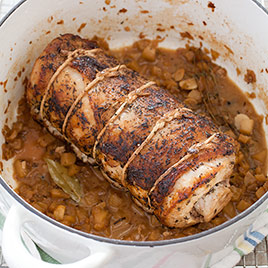
Don’t you think that it is funny how when the leaves start to turn and cover the ground stews and roasts creep back into our diets? I suppose it’s because cooking something in the oven during the summer just heats up the kitchen and during the fall with windows closed the aroma fills the house. That is good because when you go out for the sweater weather walk and return to the house you are hit with that drool starting blast of goodness.   Pork Loin is one of my wife’s favorite cuts of meat, there is just so much you can do with it and we have. I saw this today and it reminded me of others I have tried and thought I would share it with you. Also included the how to double butterfly instructions on the bottom.


From America’s Test Kitchen

Why this recipe works:

Enchaud Perigordine is a fancy name for what’s actually a relatively simple French dish: slow-cooked pork loin. But given that American pork is so lean, this cooking method leads to bland, stringy pork. To improve the flavor and texture of our center-cut loin, we lowered the oven temperature (to 225 degrees) and removed the roast from the oven when it was medium-rare. Searing just three sides of the roast, rather than all four, prevented the bottom of the roast from overcooking from direct contact with the pot. Butterflying the pork allowed us to salt a maximum amount of surface area for a roast that was thoroughly seasoned throughout. And while we eliminated the hard-to-find trotter (or pig’s foot), we added butter for richness and sprinkled in gelatin to lend body to the sauce.

Serves 4 to 6

We strongly prefer the flavor of natural pork in this recipe, but if enhanced pork (injected with a salt solution) is used, reduce the salt to 2 teaspoons (1 teaspoon per side) in step 2. For tips on “double-butterflying,” see step-by-step below.

Ingredients

  • 2tablespoons unsalted butter, cut into 2 pieces
  • 6 garlic cloves, sliced thin
  • 1(2 1/2-pound) boneless center-cut pork loin roast, trimmed
  • Kosher salt and ground black pepper
  • 1teaspoon sugar
  • 2 teaspoons herbes de Provence
  • 2 tablespoons vegetable oil
  • 1 Granny Smith apple, peeled, cored, and cut into 1/4-inch pieces
  • 1 onion, chopped fine
  • 1/3 cup dry white wine
  • 2 sprigs fresh thyme
  • 1 bay leaf
  • 1/4-3/4cup low-sodium chicken broth
  • 1 tablespoon unflavored gelatin
  • 1 tablespoon chopped fresh parsley

Instructions

1. Adjust oven rack to lower-middle position and heat oven to 225 degrees. Melt 1 tablespoon butter in 8-inch skillet over medium-low heat. Add half of garlic and cook, stirring frequently, until golden, 5 to 7 minutes. Transfer mixture to bowl and refrigerate.

2. Position roast fat side up. Insert knife one-third of way up from bottom of roast along 1 long side and cut horizontally, stopping ½ inch before edge. Open up flap. Keeping knife parallel to cutting board, cut through thicker portion of roast about ½ inch from bottom of roast, keeping knife level with first cut and stopping about ½ inch before edge. Open up this flap. If uneven, cover with plastic wrap and use meat pounder to even out. Sprinkle 1 tablespoon salt over both sides of loin (½ tablespoon per side) and rub into pork until slightly tacky. Sprinkle sugar over inside of loin, then spread with cooled toasted garlic mixture. Starting from short side, fold roast back together like business letter (keeping fat on outside) and tie with twine at 1-inch intervals. Sprinkle tied roast evenly with herbes de Provence and season with pepper.

3. Heat 1 tablespoon oil in Dutch oven over medium heat until just smoking. Add roast, fat side down, and brown on fat side and sides (do not brown bottom of roast), 5 to 8 minutes. Transfer to large plate. Add remaining 1 tablespoon oil, apple, and onion; cook, stirring frequently, until onion is softened and browned, 5 to 7 minutes. Stir in remaining sliced garlic and cook until fragrant, about 30 seconds. Stir in wine, thyme, and bay leaf; cook for 30 seconds. Return roast, fat side up, to pot; place large sheet of aluminum foil over pot and cover tightly with lid. Transfer pot to oven and cook until pork registers 140 degrees, 50 to 90 minutes (short, thick roasts will take longer than long, thin ones).

4. Transfer roast to carving board, tent loosely with foil, and let rest for 20 minutes. While pork rests, sprinkle gelatin over 1/4 cup chicken broth and let sit until gelatin softens, about 5 minutes. Remove and discard thyme sprigs and bay leaf from jus. Pour jus into 2-cup measuring cup and, if necessary, add chicken broth to measure 1¼ cups. Return jus to pot and bring to simmer over medium heat. Whisk softened gelatin mixture, remaining 1 tablespoon butter, and parsley into jus and season with salt and pepper to taste; remove from heat and cover to keep warm. Slice pork into 1/2-inch-thick slices, adding any accumulated juices to sauce. Serve pork, passing sauce separately.

How to “Double-Butterflying” a Roast

Steve says: I have tried this on a lot of different roast and my god does it enhance the flavor

When butterflying a narrow roast like pork tenderloin, a single bisecting cut will usually suffice. But to open up wider roasts like the center-cut pork loin used in our French-Style Pot-Roasted Pork Loin, we make two parallel cuts. This technique exposes more of the meat’s surface area to flavorful seasoning.

1. Holding chef’s knife parallel to cutting board, insert knife one-third of way up from bottom of roast and cut horizontally, stopping ½ inch before edge. Open up flap.
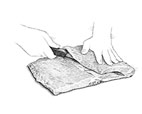
 

2. Make another horizontal cut into thicker portion of roast about 1/2 inch from bottom, stopping about 1/2 inch before edge. Open up this flap, smoothing out rectangle of meat.

Step-by-Step

Secrets to Juicy, Rich-Tasting Pot-Roasted Pork Loin

Thanks to their well-marbled pork, the French can get away with pot-roasting the loin, one of the leanest cuts of the pig, without drying it out. Here’s how we adapted their approach to super-lean American pork loin.
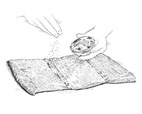
 

“DOUBLE-BUTTERFLY” AND SALT Opening up the roast like a tri-fold book creates more surface area for seasoning, ensuring that the salt thoroughly penetrates the meat.
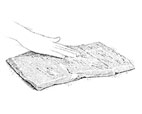
ADD FAT Spreading garlic butter over the surface enriches this lean cut, bringing it closer in flavor and juiciness to well-marbled French pork. We then fold up and tie the roast.
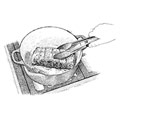
 

 SEAR TIED ROAST ON 3 SIDES Browning only the sides of the roast that are not in contact with the pan during roasting prevents the bottom of the meat from overcooking.
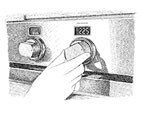
COOK IN LOW OVEN Roasting the pork in a gentle 225-degree oven until medium guarantees that the meat will cook up tender and juicy, not chalky and dry.
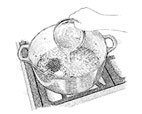
 

ADD GELATIN Adding gelatin to the exuded meat juices replaces the body and richness lost by omitting the pig’s trotter used in the French original.


There is a good video of this recipe


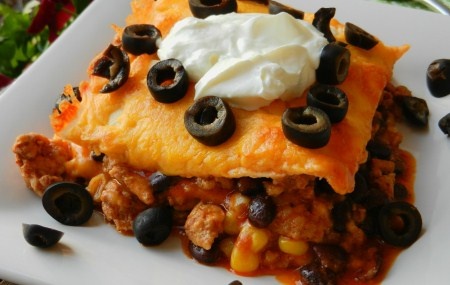
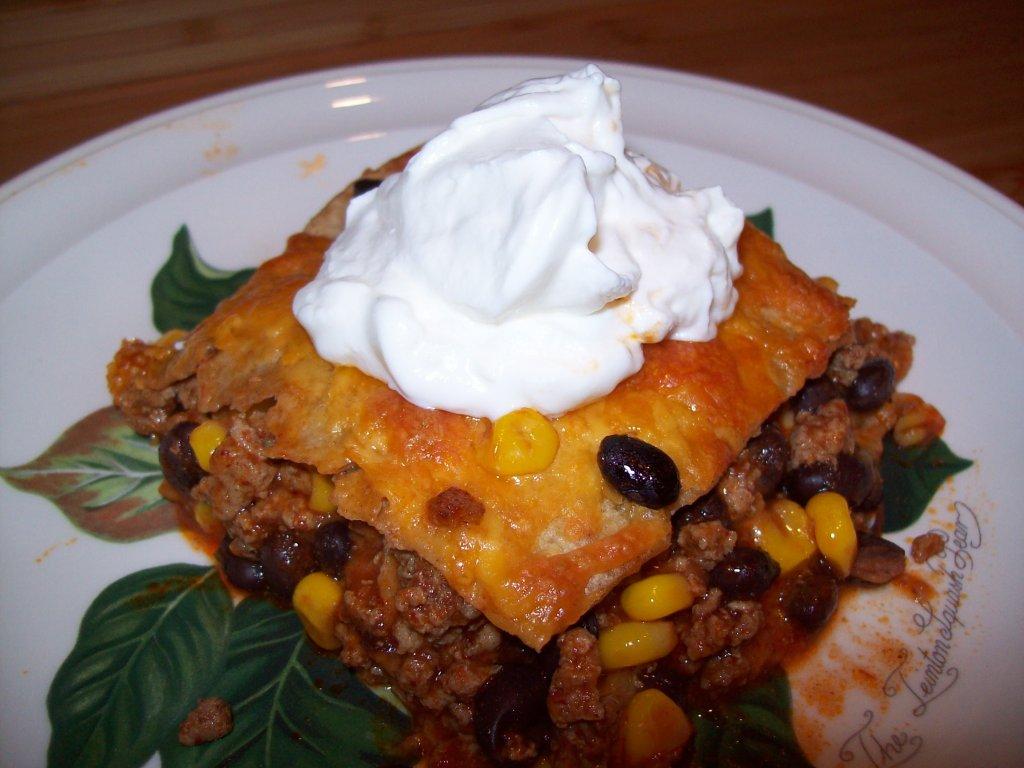
Mexican Lasagna Recipe

Mexican Lasagna Recipe

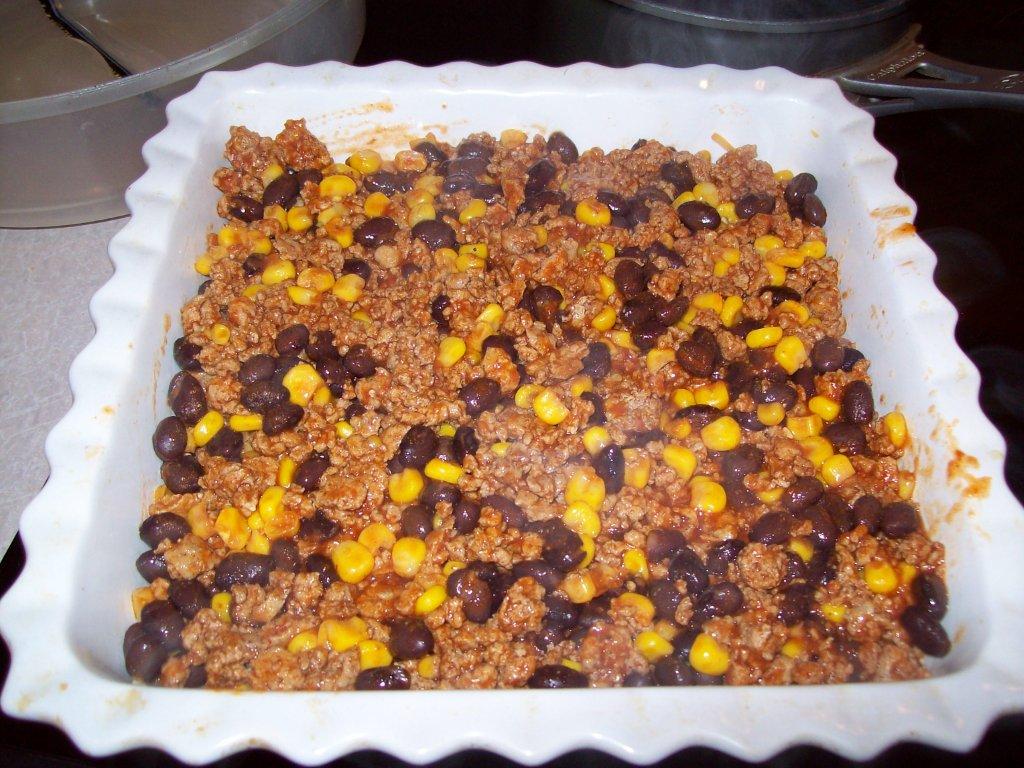
Still on the fend for myself diet, but I am proud of Lyn she is sticking to her strict diet the woman has will power. After all she has to avoid my cooking most of the time that is hard to do. So I am taking advantage of this whenever I can and trying to stay eating healthy. I think everyone likes TexMex inspired meals so when I saw this on Pinterest I grabbed it and decided to make it as healthy as I could so white turkey breast, organic black beans and corn but I refused to use low-fat cheese it just does not melt right ya know what I mean? BTW she was right this was a great meal.

Anyway after making this I believe adding fresh chopped cilantro to the mixture after cooking just before spreading it in the baking dish would add a nice addition.

I just copied her recipe below except I used turkey.

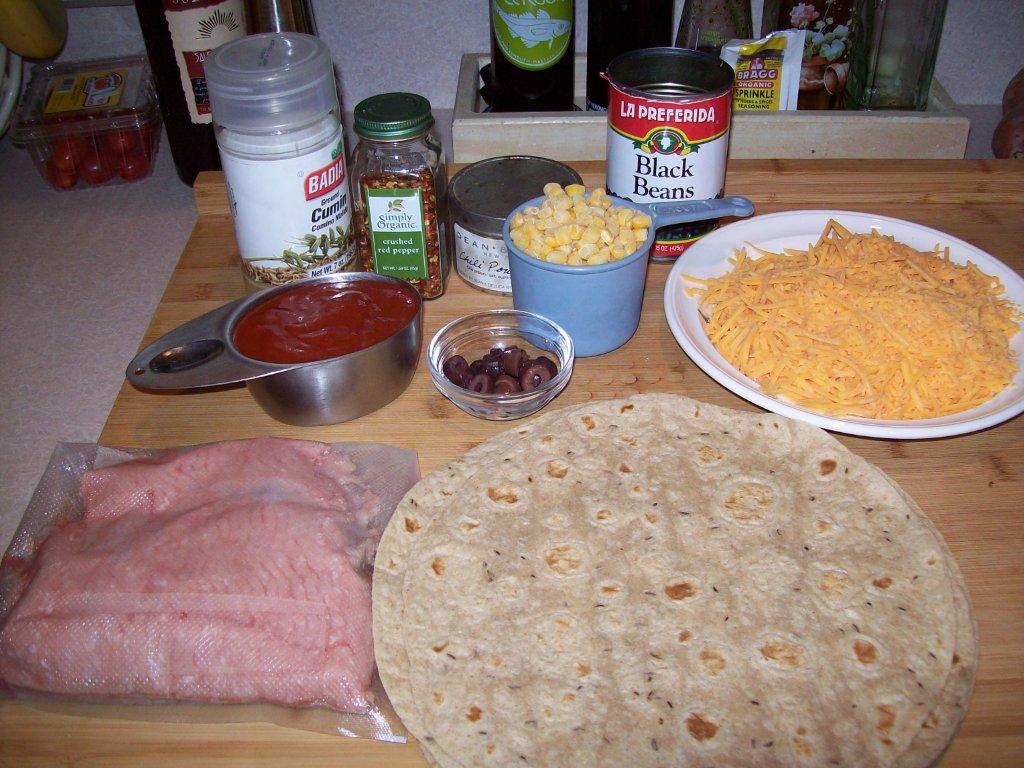
Ingredients:
  • 3 Tablespoons olive oil
  • 2 pounds ground turkey breast
  • 2 Tablespoons chili powder
  • 2 teaspoons ground cumin
  • 1 cup taco sauce
  • 1 (15-ounce) can black beans, drained
  • 1 cup frozen corn
  • salt
  • 8 (8 inch) soft corn or flour tortillas
  • 2 1/2 cups shredded Cheddar cheese
  • sliced black olives for topping
  • low-fat sour cream for topping


How:

1.  Preheat oven to 425 degrees F.

2.  Preheat a large skillet over medium high heat. Add 2 Tablespoons of the olive oil to the skillet.

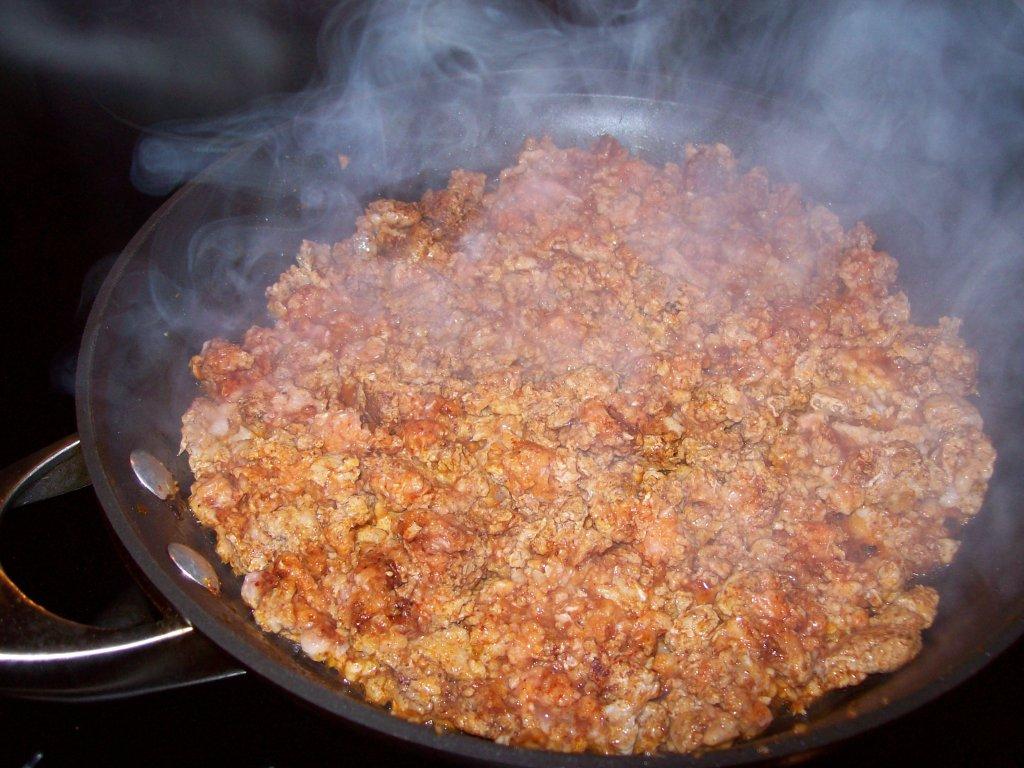
3.  Add ground turkey and season with chili powder and cumin. Brown the meat (about 5 minutes).

4.  Add taco sauce, black beans and corn. Heat the mixture through then season with salt to taste.

5.  Coat a shallow baking dish with remaining Tablespoon of olive oil.

6. Cut the tortillas in quarters for easy layering.

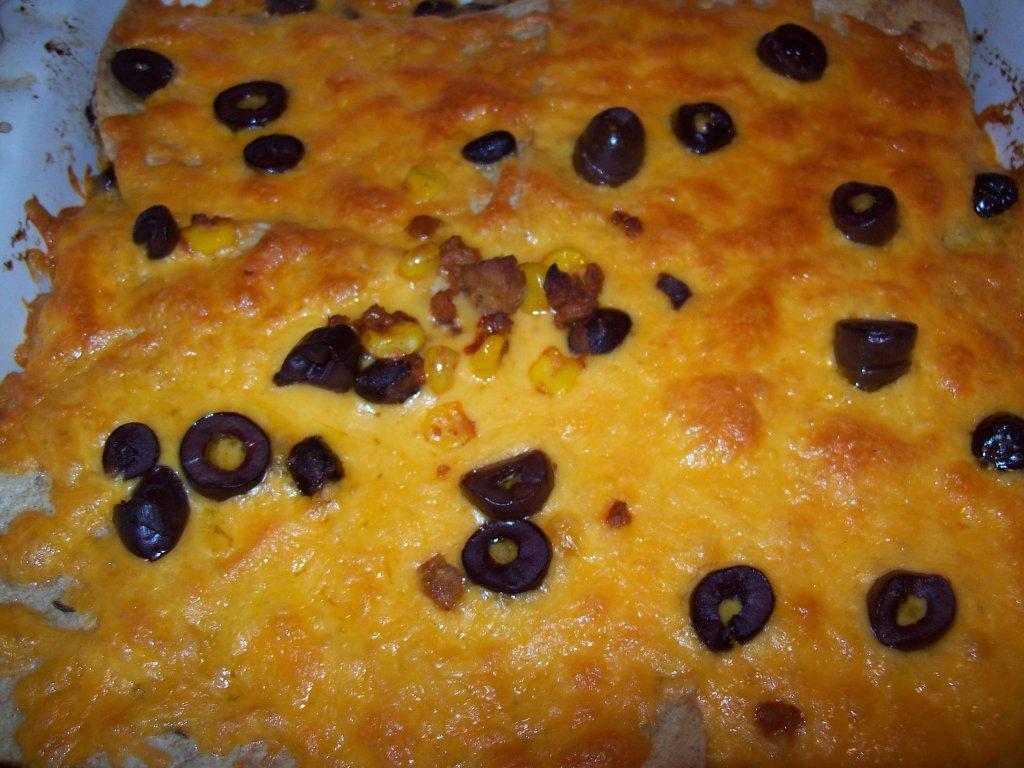
7. Start with a layer of the meat mixture, then layer with tortillas and then cheese.Repeat for a second layer, ending with cheese.

8. Bake lasagna 12 to 15 minutes until cheese is slightly browned.

9. Remove from oven, top with sliced black olives and serve.


Mixed Berry Shortcake

Mixed Berry Shortcake

When midsummer rolls in just before the birds and chipmunks decide that their buffet is ready we grab what we can and make one of our old time favorite’s deserts, snack sometimes even breakfast. This has been one of our staples since 1991 the good thing is you choose the berries to change it up. I have tried nets and sprays but nothing really helps so with the berries, as with my garden the year before, I decided to share. If only they understood the concept. This year I only did a deck garden leaving the ground level for my herbs.

You can make this shortcake with any combination of fresh berries.  Use 8 cups of your favorite mixture.  10 servings


Ingredients

  • 2 pints strawberries
  • 1 cup plus 2 Tbsp. sugar
  • 1 pint raspberries
  • 1 pint blackberries
  • 2 1/2 cups flour
  • 1 Tbsp. baking powder
  • 1/2 tsp. salt
  • grated zest of 1 orange
  • 10 Tbsp. butter
  • 1 1/4 cups milk
  • 1 cup heavy cream

How

1.  Wash and hull strawberries.  Mash 1/4 of them with 3/4 cup of the sugar.  Cut the rest in half or quarters.  Combine mashed and cut up strawberries with raspberries and blackberries.  Set aside.

2.  Heat oven to 400 degrees.  Butter and flour baking two 9″ cake pans.  Combine flour, baking powder, salt, 1/4 cup sugar and orange zest.  Cut butter into flour mixture until it resembles a coarse meal.

3.  Stir in milk.  Divide dough in half and put into pans with floured fingers.

4.  Bake until lightly browned, about 15 minutes.  Turn out onto racks.

5.  Whip the cream with the remaining 2 Tbsp sugar until it holds soft peaks.

6.  Just before serving put one shortcake layer on a serving plate.  Top with about 3/4 of the fruit mixture, letting juice trickle down sides.  Spread with about 3/4 of the whipped cream.  Top with second layer.  Spoon remaining