Even Google wished me a Happy Birthday

Clever Google Clever

Clever Google Clever

Glaze Guidance

Found this on Cookscounty.com

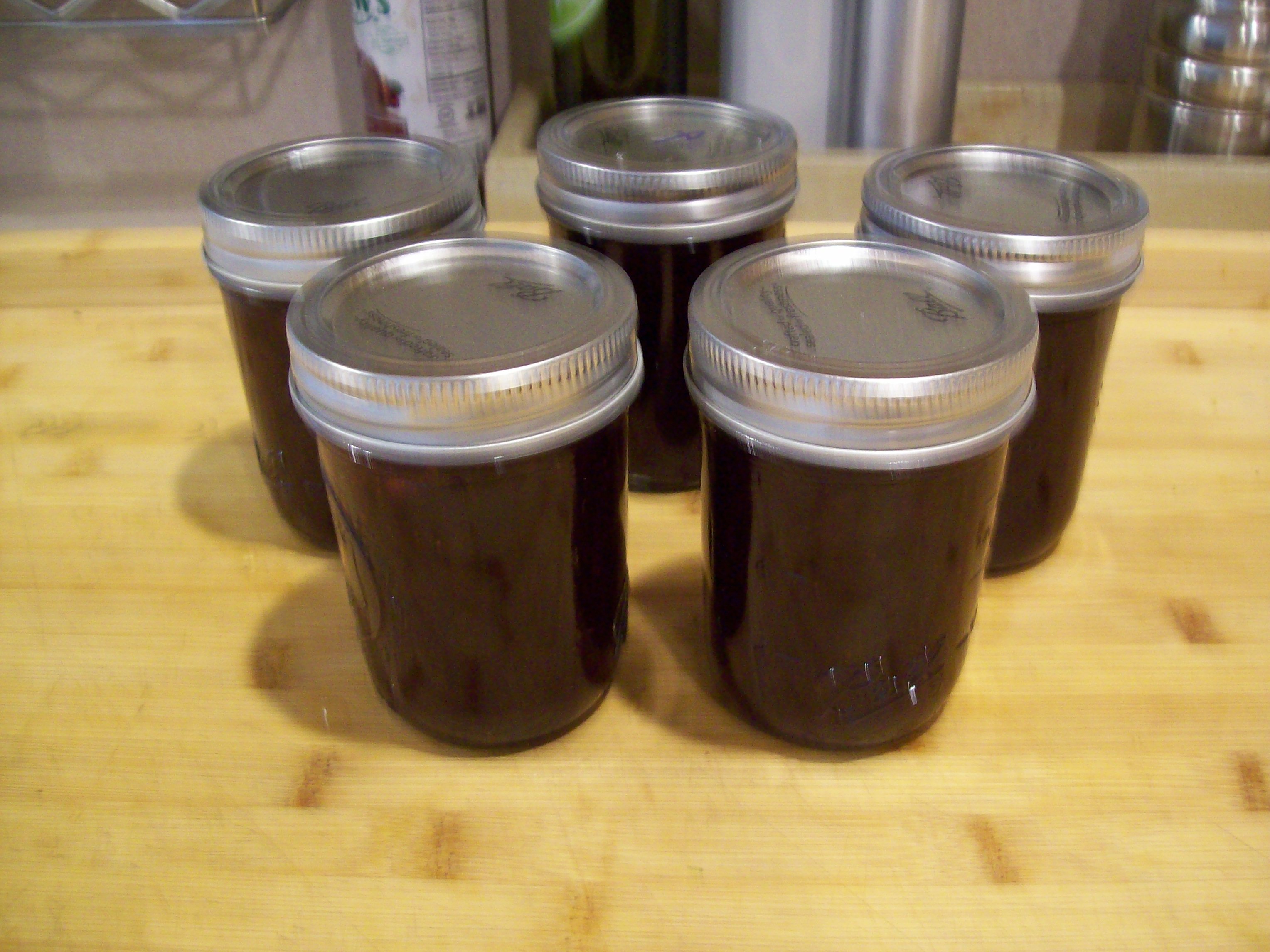
Reducing the glaze to the right consistency takes a little practice. Too long in the pan hardens the glaze into a tacky mess, but not enough time means a runny glaze and diluted flavors. Here’s how you’ll know when it’s just right. (Avoid dark skillets, as you’ll need to gauge the changing color of the sauce.)

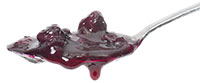
1. NOT YET The bubbles just break the surface of the glaze, and a spatula makes little to no trail.

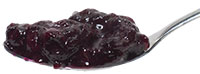
2. NOW! The bubbles are smaller and more plentiful. The color deepens, and a spatula makes a trail.

3. OOPS! TOO FAR! Big bubbles cover the dark, thick glaze. A spatula leaves a wide trail.

The Bakery at Goat Cottage Farm

The Bakery at Goat Cottage Farm

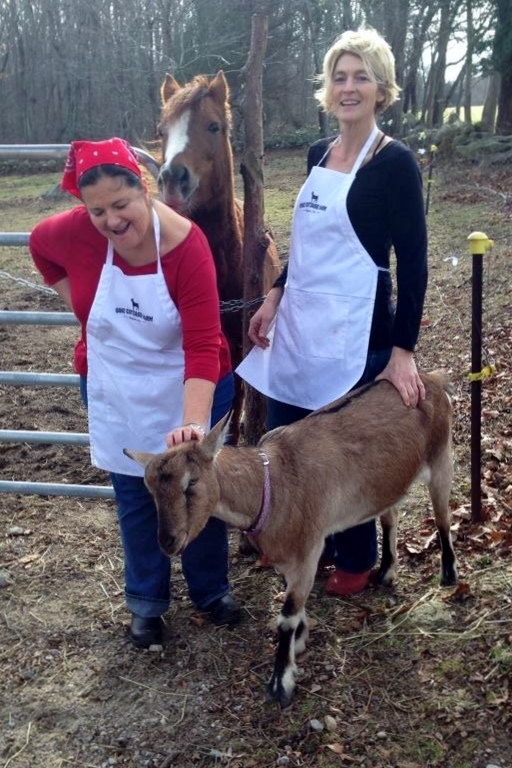
At the end of the long winding dirt drive way you arrive at “The Bakery at Goat Cottage Farm”. Great visit to the bakery at Goat Cottage farm yesterday. Delicious gluten free selection, great people and a very charming goat!
From Link In – In November 2013, Laura Raposa partnered up with Colleen Kearney, an enthusiastic gluten-free, dairy-free baker to open a bakery at Goat Cottage Farm, her family’s centuries-old farm in Westport, MA.  1154 Main Rd, Westport MA  (508) 636-2916

Their goal is to become the South Coast’s source for wheat-free and gluten-free sweets and savories.
I believe they are well on their way

1

Christmas menu

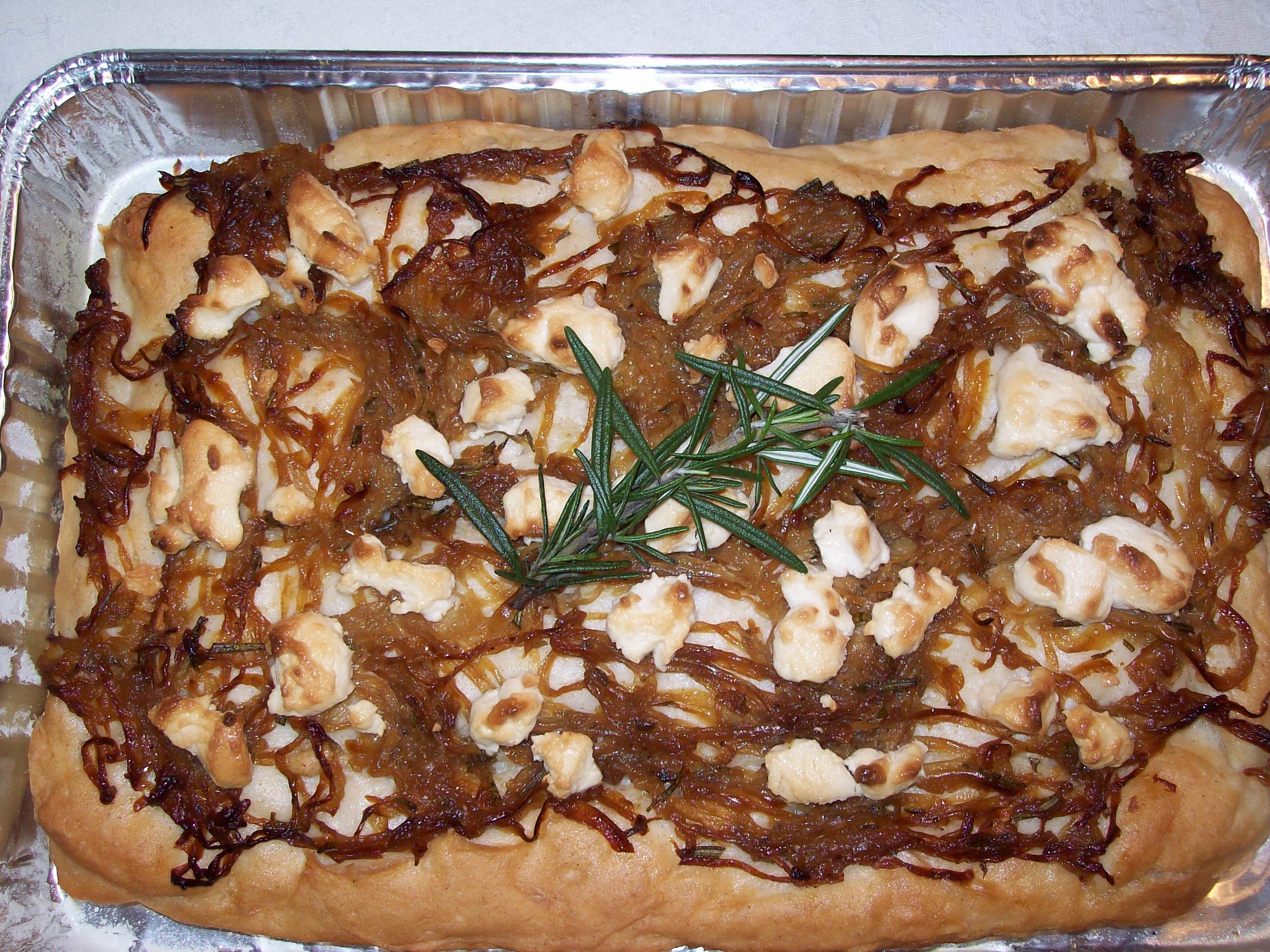
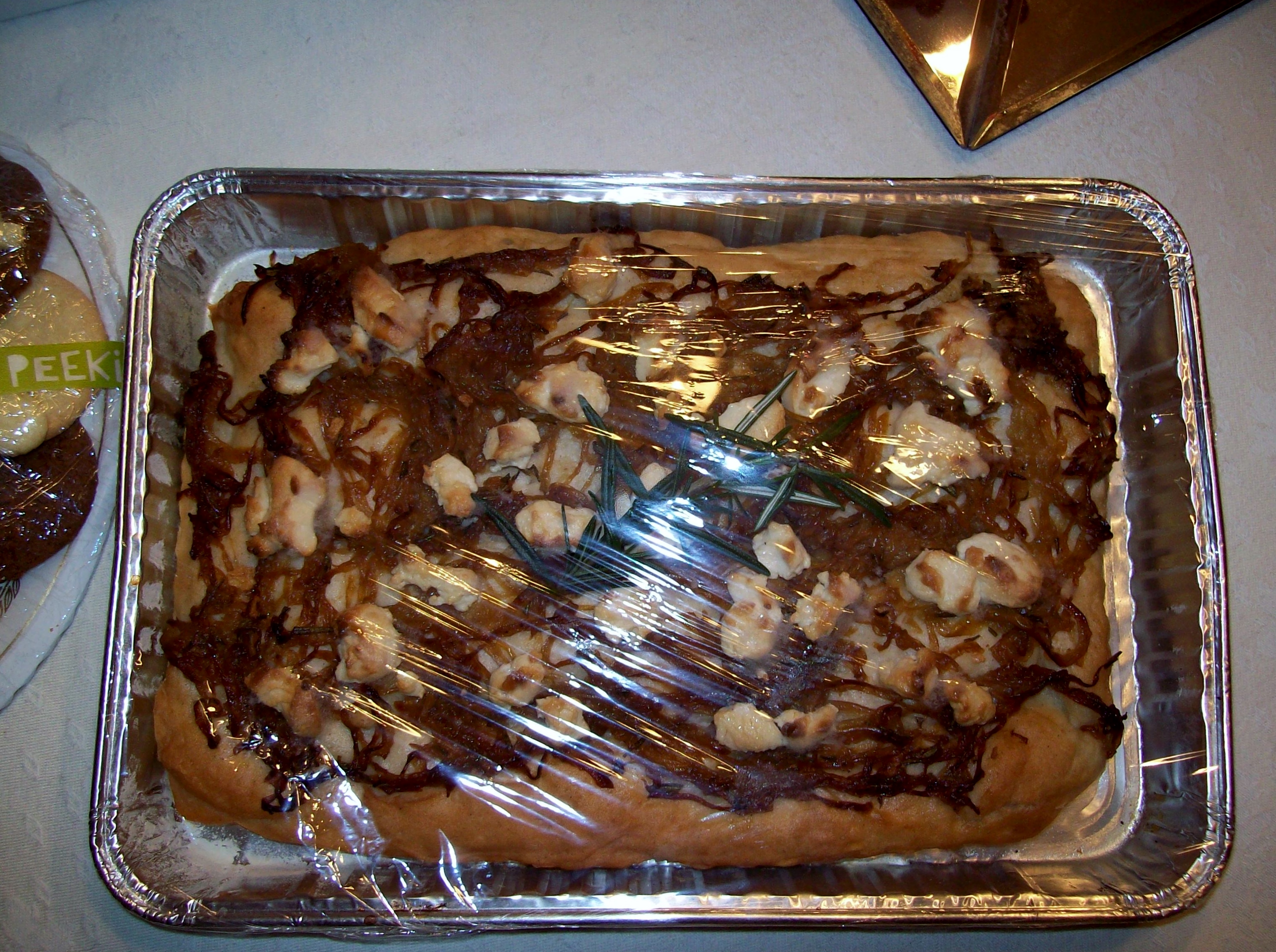
stikcybuns   COOKIES AND FOCCACIA

foccacia   foccacia (2)  cookie

13876398506921387639846087  13876398285881387639828588A1387639862745    1387639814561 1387639807693Laura Raposa  & Colleen KearneyThe Goat  1387641297335  1387641289632 1495891_10151933169503143_1990310573_o 1459677_10152156810026532_1596789998_n

13876411589711387641168310

The Bakery at Goat Cottage Farm

1498756_10151933169508143_1891604230_o The Bakery at Goat Cottage Farm

Pan Seared Oven Roasted Buffalo Steak

Pan Seared Oven Roasted Buffalo Steak

Ingredients

NY strip buffalo about 1 “ thick

How

Preheat oven to 350 degree
Heat oven proof fry pan over medium hig heat
Sprinkle a little Olive oil pan
Sear the steak about 3 minutes
Turn and place pan in oven for about 4 minutes
Remove tent loosely with tin foil let sit for 5-10 minutes – rule of thumb I use is about the same time it took to cook.

Slice against the grain and serve

100_2455

The Benefits of Eating Buffalo

I like knowing that by buying and eating buffalo I’m supporting one of the last remnants of wild food on the American continent. I like the wild, untamed nature of the animals, their rugged character, and toughness. They stand in stark contrast to the rest of our cultivated diet.

Buffalo, what’s in it for you?
Ounce for ounce buffalo meat contains 69% more iron than beef and slightly more protein than beef. Everyone can benefit from eating bison on regular basis to prevent or rectify iron deficiency anemia. Men, women, children, and former vegetarians and vegans can benefit from is tonifying food. Like beef, bison is a great source of B-vitamins, zinc, and other brain and body-building nutrients that are poorly supplies and poorly absorbed from plant foods.

Photo right by Rachel Albert-Matesz, © Copyright 2009

Cholesterol, a non-issue
Although buffalo is promoted as a lower cholesterol meat, that’s a bit of misnomer. A 100 gram serving (3 1/2 ounces) of buffalo contains approximately 82 milligrams of cholesterol whereas the same size portion of beef (or pork) contains 86 milligrams. The difference of 4 milligrams is hardly signfificant. (That’s 0.0002% of what most bodies produces in a day!)

Now you may be wondering why eat cholesterol if you body can make it? Although your body can manufacture cholesterol, it is actually better to obtain it from dietary sources. Traditional human diets have always contained significant amounts of cholesterol.

According to Nora T. Gedgaudas, CNS,CNT, author of Primal Body––Primal Mind, “Restricting or eliminating its [cholesterol] intake indicates a crisis or famine to the body. The result is the production of a liver enzyme called HMG-COA reductase, that in effect, then overproduces cholesterol from carbohydrates in the diet. Consuming excess carbohydrates while decreasing cholesterol intake guarantees a steady overproduction of cholesterol in the body.”

“The only way to switch this over production off is to consume an adequate amount of dietary cholesterol and back off on the carbs. In other words, the dietary intake of cholesterol stops the internal production of cholesterol. (Schwarzbein, 1999).”

Back to the Buffalo
Buffalo is usually lower in fat than beef. The specific fat content of a particular cut of buffalo will depend on upon the particular animal, its diet age at the time of slaughter, and how much fat is trimmed from the carcass or cut you buy.

The lean of the land?
USDA handbook data includes comparisons showing a 100 gram (3 1/2 ounce) portion of beef at 9.28  to 14 grams of fat and the same size portion of buffalo at 2.42 grams of fat. However, I’ve seen 6 ounce (128 gram) buffalo burgers in gourmet markets boasting 30 grams of fat (ground meat may contain more fat if it’s processed with trim from the rest of the carcass, particularly if it was not 100% grassfed). However, fat isn’t bad.

Eating more fat and protein and less carbohydrate can provide many health benefits.  Still most buffalo on the market, particularly if grassfed, will contain significantly less fat than factory farmed beef.

For the pictures on the right, I used a small buffalo steak from Arizona Buffalo Company, located in Buckeye, Arizona. It turned out really great. Although it was a lean steak, I found it easy to cut and easy to chew.

Buy local whenever you can

When I buy meat, or anything else, I support small local farmer means and help them stay in business. I reduce fuel use because my food doesn’t log thousands of miles to reach me. I cut out the middle man. I usually save money, and have contact with the people who are raising my food. I much prefer this to buying anonymous meat whenever I can, although I’m flexible in this respect. I don’t think it has to be all or nothing.

How to cook a buffalo
Cook it one piece at a time. As with grassfed been and other lean, wild, or game meats, you’ll get the best results cooking steaks, roasts, and burgers, rare or medium rare. Well done will be overdone, tough, dry, and leathery. Reduce the cooking time, the temperature, or both to produce the best results. And don’t rush a roast, long slow cooking is required for certain cuts to make t hem moist and tender. Marinades help with some cuts.

How does it taste?
I like the flavor. You might expect buffalo to taste gamey and have a tough texture, but I find it tender and juicy (as long it’s not overcooked), with a slightly sweet undertone. I like to sear the steaks on both sides and leave them blood red on the inside. You’ll notice buffalo meet has a deeper, darker, redder color than beef. Stay close and remove it from the heat when it’s under done, so you don’t lose all that color in cooking.

Reign on Mashie-Topped Meatloaf Cupcakes – Week 12

Reign on Mashie-Topped Meatloaf Cupcakes – Week 12

Someone asked me if I am a huge football fan is that why I do these weekly game day recipes? Yes I am a fan but I also am a fan of my son and patriotslife.com   the blog he is involved in. I would do it for CelticsLife.com  but I just can’t come up with that many recipes, beside the schedule would kill me or I would be 900 Lbs.,  anyway……

Meat and potatoes a man’s meal, a football man’s meal, a meal that will satisfy any half time hunger.

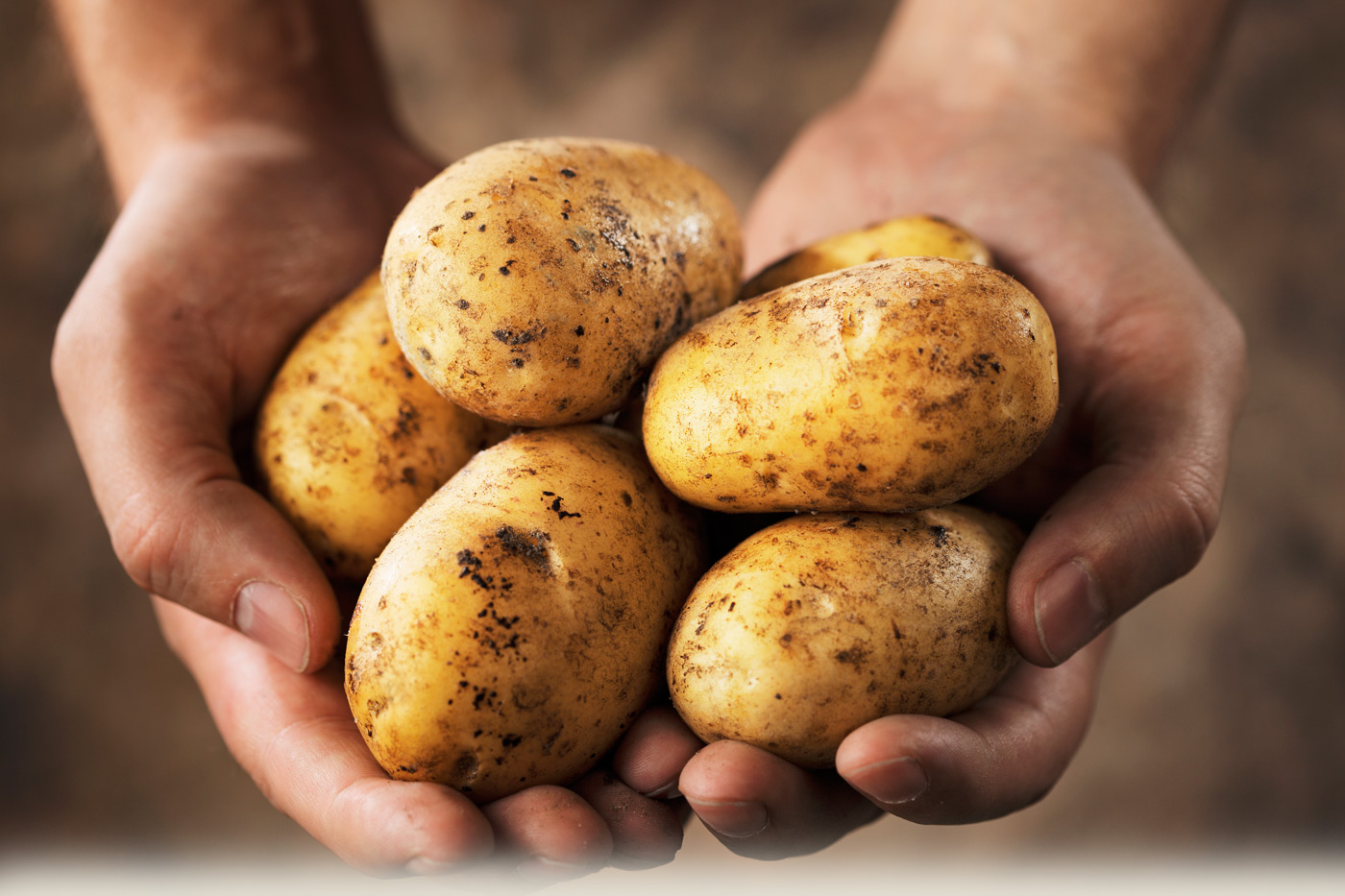
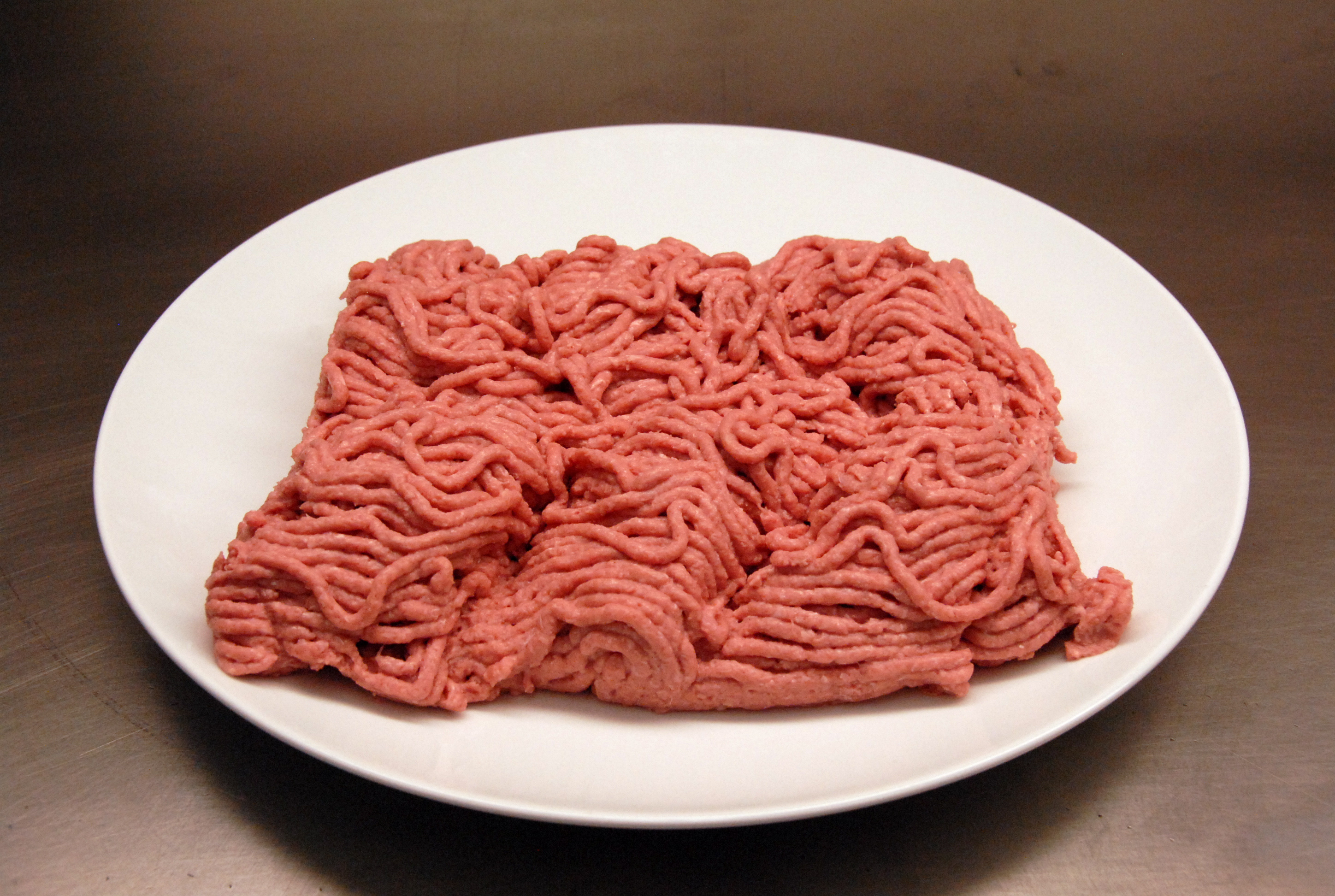
cows                                                                   Potato

Now grab that pastry bag or a plastic bag, stuff it with mash potatoes and start decorating the top of your meatloaf cupcakes. What you’re unsure of your manliness, afraid of a little Dolphin treatment in the living room? We all know that when watching a football game we live by a different set of rules.

Ingredients

Meatloaf

Ground Beef

  • 1 1/4 lbs. extra-lean ground beef (4% fat or less)
  • 1 cup finely chopped green bell pepper
  • 3/4 cup finely chopped onion
  • 1/2 cup fat-free liquid egg substitute or egg whites
  • 1/2 cup quick-cooking oats
  • 1/4 cup ketchup
  • 2 tsp. garlic powder
  • 1/2 tsp. each salt and black pepper


Mashies

Mashed Potaotes

  • 20 oz. (about 3 medium) white potatoes, peeled and cubed
  • 2 1/2 tbsp. light sour cream
  • 1 1/2 tbsp. light whipped butter or light buttery spread
  • 1/2 tsp. garlic powder
  • 1/2 tsp. onion powder
  • 1/4 tsp. salt
  • 1/8 tsp. paprika
  • Optional seasoning: black pepper

Preparation

1. Preheat oven to 350 degrees. Line a 12-cup muffin pan with foil baking cups, or spray it with nonstick spray.

2. In a large bowl, combine all meatloaf ingredients. Thoroughly mix.

3. Evenly distribute meatloaf mixture among the muffin cups, and smooth out the tops with the back of a spoon. Bake until firm and cooked through with lightly browned edges, 20 – 25 minutes.

4. Meanwhile, bring a medium pot of water to a boil. Add potatoes, and once returned to a boil, reduce heat to medium. Cook until very tender, 15 – 20 minutes.

5. Drain and transfer potatoes to a large bowl. Add remaining ingredients for mashies except paprika. Thoroughly mash and mix.

6. Evenly top mini meatloaves with mashies, and sprinkle with paprika. Makes six servings; two cupcakes per serving. Eat up!

HG Tip! Use a piping bag to distribute the mashies. You can even create your own makeshift piping bag! Just transfer mashies to a plastic bag, and squeeze them down toward a bottom corner. Snip off that corner with scissors, creating a small hole for piping. Ta-da!

Serving Size: 2 meatloaf cupcakes – Steve says: Ya right, these are poppers .

Mashie-Topped-Meatloaf-Cupcakes
This recipe was from hungry-girl.com
For further inspiration, Hungry Girl just released her official “Top Ate” reasons to love potatoes:
  1. Potatoes are seriously satisfying! A study of nearly 40 common foods found that potatoes deliver the most satisfaction.
  2. A 5.3-ounce skin-on spud (the size of a computer mouse) has 45% the daily value of vitamin C and only 110 fat-free calories. Potatoes also have fiber.
  3. Dining out? Top a plain baked potato with salad-bar goodies like broccoli & salsa.
  4. White veggies are underrated and provide key nutrients we need. In fact, potatoes have even more potassium than bananas.
  5. Gluten-free alert: Potatoes are a great alternative to pasta and bread. You can even make lasagna with spud slices instead of noodles, Lillien adds.
  6. Russets, reds, purples, fingerlings, yellows, whites & petites… So many possibilities!
  7. HG Lisa’s favorite way to eat a potato? Twice-baked, stuffed with light cheese and veggies.
  8. Potatoes are ALWAYS in season. “Put ’em on your grocery list today,” she says.

Thanks hungry girl even more reason to eat a manly potato.

Steel-Cut Oatmeal With Fruit

Steel-Cut Oatmeal With Fruit


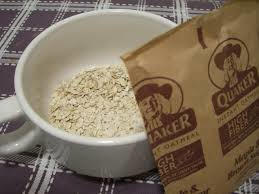
So many kinds so many questionsI used to be a Quick Cook Oats and even tried those instant packages (yuck) thanks to Lyn I am a Old Fashion Oats guy, while she is a Rolled or Steel Oats gal. Hey everyone has their own taste and who’s to say you are right or wrong.  Joe and my wife both cook a weeks worth Lyn has it all set in the frig in individual servings while I use my cook what I eat method every morning. I have been known to wander over to her side from time to time.

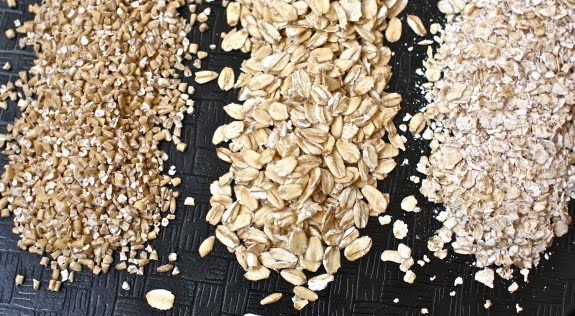
Old Fashioned Oats, Steel Cut Oats and Quick Cooking Oats

Old Fashioned Oats, Steel Cut Oats and Quick Cooking Oats

Steel-Cut Oats – We get steel-cut oats when the whole groat is split into several pieces. Simmered with water, steel-cut oats retain much of their shape and make a chewy, nutty-tasting porridge. Substitute: Whole Oat Groats

Rolled Oats – Whole grains of oats can also be steamed to make them soft and pliable, and then pressed between rollers and dried. The resulting “rolled oats” re-absorb water and cook much more quickly than whole groats or steel-cut oats. When a recipe calls for “rolled oats” or the packaging mentions it, they generally mean the thickest rolled oat, which retains its shape fairly well during cooking. Substitute: Quick oats can be substituted, but the texture will be lost

Old-Fashioned Oats – The source of much confusion, old-fashioned oats are actually the same as rolled oats. You’ll usually see them called “Old-Fashioned Rolled Oats” on packaging.

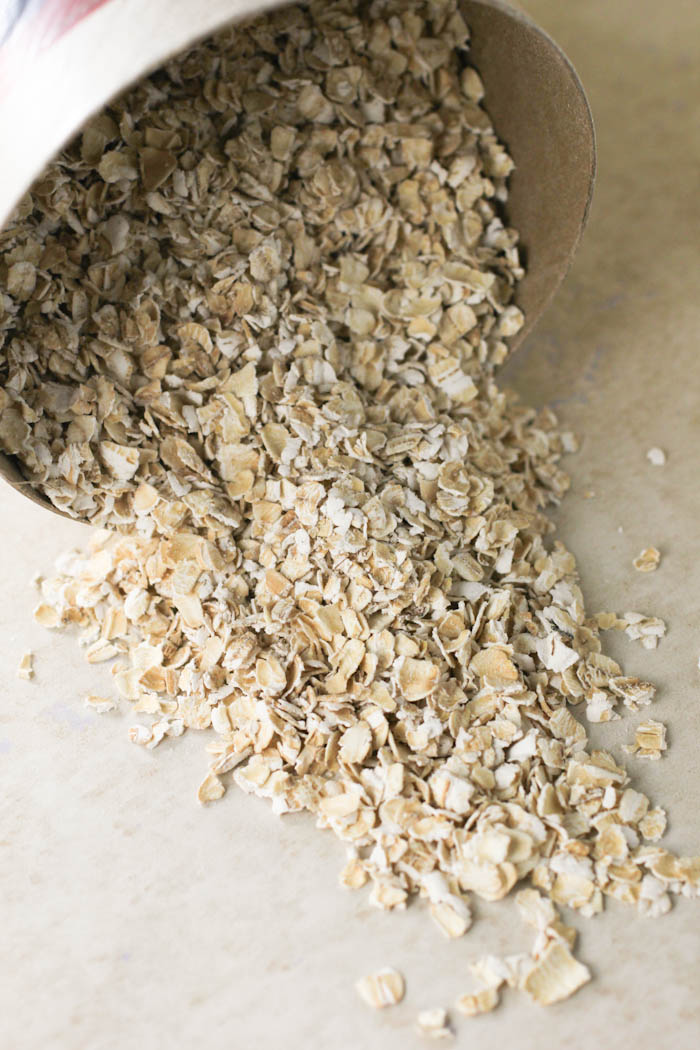
Quick Cook Oats

Quick Cook Oats

Quick or Quick-Cooking Oats – These are oats that have been pressed slightly thinner than rolled oats. They cook more quickly, but retain less of their texture. Substitute: Rolled Oats or Instant Oats


Instant oatmeal

Instant oatmeal


Instant Oats – Pressed even thinner than quick oats, instant oats often break into a coarse powder. They cook the quickest of all and make a very soft and uniform mush (erm…for lack of a better description). Substitute: Quick Oats

Hotel Morning Oats – Then there was the oatmeal at the hotel in Minnesota last trip, I think you could have put up wall paper with it, talk about stick to your ribs Joe.

Joe P. Whitney Jr.
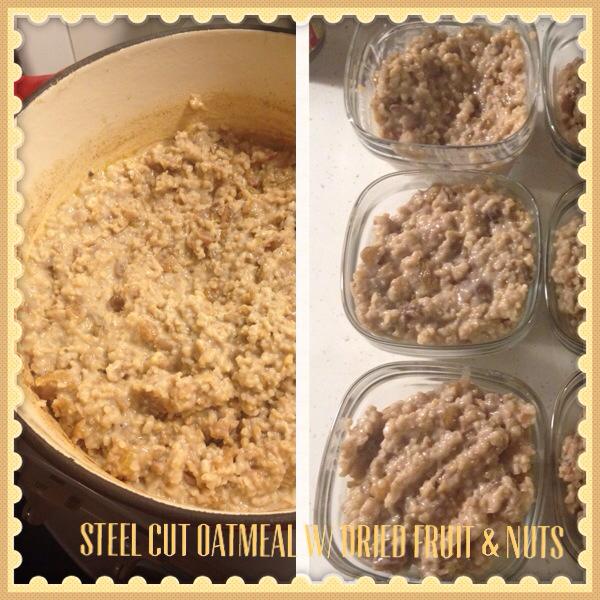
“This is what I make Tony and I every week for breakfast. I double the batch and add 16 dates, 1/3 c raisins, 1/3 c of walnuts, cinnamon, and vanilla. It’s so amazing!! It sticks to your ribs. Don’t really get hungry till about ten. Try it!!”

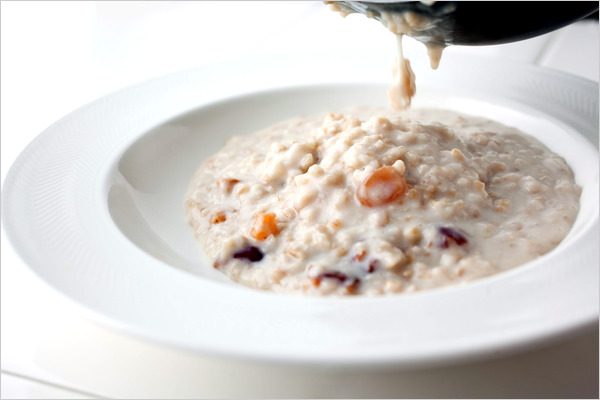
Steel-Cut Oatmeal With Fruit

Joe's oatmeal

Ingredients:

  • 2 cups water
  • 2 cups low-fat milk
  • 1/4 teaspoon salt (or to taste)
  • 1 cup steel-cut oats
  • 1 teaspoon unsalted butter (optional)
  • 2 to 4 tablespoons dried fruit, such as raisins, chopped dried apricots, dried cranberries
  • 1 to 2 teaspoons maple syrup, agave syrup, honey or brown sugar (more to taste)
  • Fresh fruit (such as diced apples and pears, optional)

How:

1. Combine the water, milk and salt in a large, heavy saucepan, and bring to a boil. Slowly add the oats, stirring constantly. Reduce the heat to low, cover and simmer 15 minutes, stirring occasionally with a wooden spoon. Stir in the butter, dried fruit and sweetener. Cover, and continue to simmer for another 10 to 15 minutes, stirring often to prevent the cereal from sticking to the bottom of the pan, until the oats are soft and the mixture is creamy. Serve, with added fruit stirred in if desired, or refrigerate and reheat as desired. Or freeze as follows:

2. Line ice cube trays with plastic wrap. Fill each cube with oatmeal, cover with plastic wrap and freeze. Once frozen solid, remove the cubes from the ice tray and freeze in a plastic bag. For each portion, thaw three or four cubes in a microwave on the defrost setting. Add additional warm milk if desired.

Yield: Four servings.

Advance preparation: Cooked steel-cut oats will keep for five days in the refrigerator and can be reheated atop the stove or in the microwave.

Note: Although my steel-cut oats come in a container with directions for cooking them in the microwave, I don’t find the results satisfactory. The oatmeal doesn’t have the time it needs to swell and release its starch into the liquid, so the liquid never gets creamy and the oatmeal doesn’t soften properly. A better way to save time is to soak the oats overnight. Bring 2 cups water to a boil. Combine the oats and salt in a bowl, and pour on the water. Leave overnight. In the morning, bring the milk to a simmer in a large saucepan, and stir in the oats and any liquid remaining in the bowl. Add the remaining ingredients, and simmer 15 minutes, until creamy, stirring often.

articleLarge

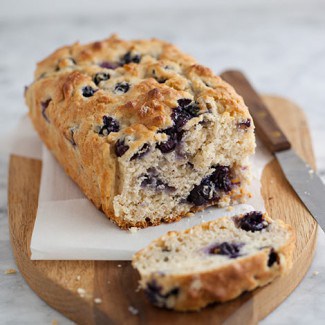
             Blueberry Bread

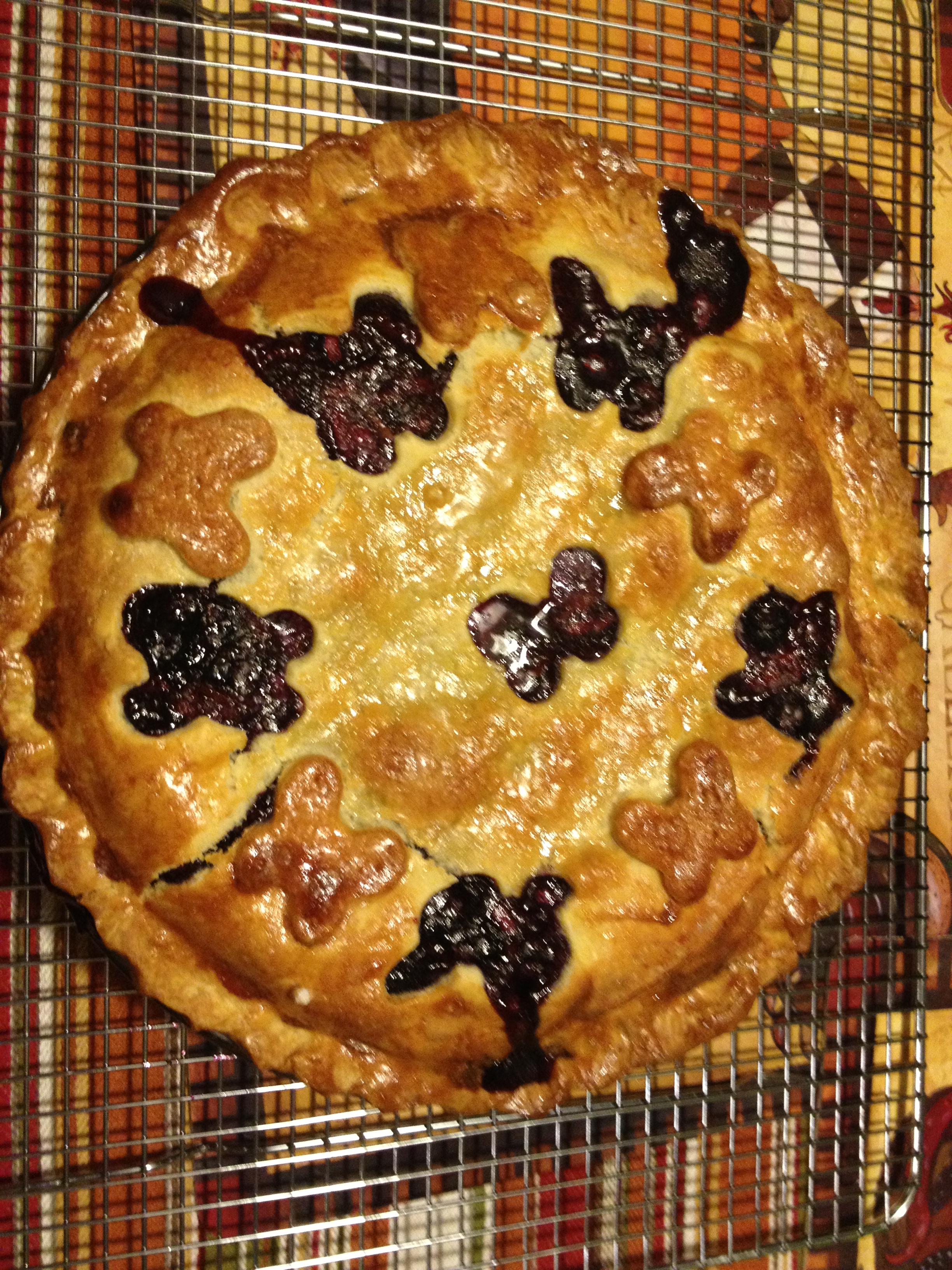
Joe’s Blueberry Pie

Joe’s Blueberry Pie

I remember as a kid we used to go to Auntie D’s house to make pies. The adults, under her direction, would all be busy making pie after pie Apple, Blueberry, mixed berry…….. she was and still is in everyone’s mind the measuring stick when it came to pies. Across the street there was a path in the woods, long since taken over by development, to the cranberry bogs and along the way was a gold mine of blueberry bushes. Big fat blueberries all there for the picking. Now this was the important job of the kids fill the buckets and eating our fill. The thought of one of her pies after dinner kept us under control and the buckets returned full. A few years back my wife and I went blueberry picking in Beebe Woods and quickly retreated because of the immediate and massive horse fly attack we fell to. That sure took the romanticism out of picking, there they were bushes, branches plump with hundreds of blueberries under the guard of a flying army. We did find the nearest convenient store and sprayed ourselves but it was just not the same. Anyway I babble…..Joe and I were talking about me buying 4 cases of blueberries from Wholefoods when they had them organic $1.99 a pint. I froze some, made some blueberry syrup, jam, Lyn made muffins and probably bread but mostly I would throw a handful in my morning oatmeal taking advantage of the memory boosting powers of blueberries. They are gone except for a bottle or two of the syrup and I am staring to have trouble remembering why I started writing this  only kidding….so hear ya go  Joe’s Blueberry pie.

Cooks Illustrated Published July 1, 1995.  

Makes one 9-inch pie, serving 6 to 8.

Why this recipe works:

For many years we have tried using flour and cornstarch to thicken fresh fruit pies, but the results have been uniformly poor. After testing cornstarch, flour, tapioca, and arrowroot, we found that the samples of fruit thickened with the root starches, arrowroot and tapioca, were clear and bright in appearance and had the clearest fruit flavor. Of the two, tapioca showed a bit more thickening power and was therefore our favorite. So we developed a fruit pie recipe employing this favorite.

The amount of sugar and tapioca you use is relative, depending on the fruit’s quality and your taste. If you prefer a less sweet pie or if the fruit is especially sweet, use the lower sugar amount. If you like your pie juices fairly thick, or if the fruit is really juicy, then opt for the higher amount of tapioca. If you are using frozen fruit, measure it frozen, but let it thaw before filling the pie. If not, you run the risk of partially cooked fruit and undissolved tapioca.

Joe's Blueberry Pie

Joe’s Blueberry Pie

Ingredients

  • Pie Dough
  • 2 1/4cups unbleached all-purpose flour , plus extra for dusting
  • 1teaspoon table salt
  • 2tablespoons granulated sugar
  • 11tablespoons unsalted butter , cut into 1/4-inch cubes
  • 7tablespoons vegetable shortening , chilled
  • 1/3cup water , chilled with ice, increasing up to 3/8 cup, if needed
  • Blueberry Filling
  • 3pints fresh blueberries (6 cups), rinsed and picked over
  • 3/4cup granulated sugar
  • 1 small lemon , zested to yield 1 teaspoon zest and juiced to yield 2 teaspoons juice
  • 1/4teaspoon ground allspice
  • pinch ground nutmeg
  • 3–4tablespoons quick-cooking tapioca
  • 2tablespoons unsalted butter , cut into small pieces

Instructions

1. Mix flour, salt, and sugar in food processor fitted with steel blade. Scatter butter pieces over flour mixture, tossing to coat butter with a little flour. Cut butter into flour with five 1-second pulses. Add shortening and continue to cut it in until flour is pale yellow and resembles coarse cornmeal with butter bits no larger than small peas, about four more 1-second pulses. Turn mixture into medium bowl.

2. Sprinkle all but 1 tablespoon of the ice water over mixture. With blade of rubber spatula, use folding motion to mix. Press down on dough with broad side of spatula until dough sticks together, adding up to 1 tablespoon of remaining ice water if dough does not come together. Divide dough into two balls, one slightly larger than the other. Flatten each into 4-inch-wide disk. Dust lightly with flour, wrap separately in plastic, and refrigerate at least 30 minutes.

3. Remove dough from refrigerator; let stand at room temperature to soften slightly, about 10 minutes. Heat oven to 400 degrees. Toss fruit with sugar, lemon juice and zest, spices, and tapioca; let stand for 15 minutes.

4. Roll larger dough disk on lightly floured surface into 12-inch circle, about 1/8-inch thick. Transfer and fit dough into 9-inch Pyrex pie pan, leaving dough that overhangs the lip in place. Turn fruit mixture, including juices, into pie shell. Scatter butter pieces over fruit. Refrigerate until ready to top with remaining dough.

5. Roll smaller disk on lightly floured surface into 10-inch circle. Lay over fruit. Trim top and bottom dough edges to 1/2-inch beyond pan lip. Tuck this rim of dough underneath itself so that folded edge is flush with pan lip. Flute dough in your own fashion, or press with fork tines to seal. Cut four slits at right angles on dough top to allow steam to escape. If pie dough is very soft, place in freezer for 10 minutes before baking.

6. Place pie on baking sheet; bake until top crust is golden, 20 to 25 minutes. Reduce oven temperature to 350 degrees and continue to bake until juices bubble and crust is golden brown, 30 to 40 minutes longer.

7. Transfer pie to wire rack; let cool to almost room temperature so juices have time to thicken, from 1 to 2 hours.

100_1879

The Apple of My Pie

When making our blueberry pie filling, we found that if we used more than 2 tablespoons of tapioca, the texture of the filling took on a gummy consistency we didn’t like. But 2 tablespoons or less resulted in a filling that was too loose. Could we solve this problem with pectin, a gentle thickener that occurs naturally in fruit?

EXPERIMENT

As a control, we thickened one pie with 2 tablespoons tapioca. We then compared it with a second pie thickened with 2 tablespoons tapioca and a grated apple, which is high in pectin and has a mild flavor. (We hoped that grating the apple would make it less noticeable in the baked pie.)

RESULTS

As expected, the pie thickened with tapioca alone was loose and soupy. But the pie thickened with tapioca plus an apple had a naturally gelled texture that was just right. The apple bits seemed to melt into the berry filling during baking, boosting fruity flavor but leaving no textural sign of their presence.

EXPLANATION

Pectin is a natural substance, found in fruits and vegetables, that creates structure in a plant by helping to bind its cell walls together. This same substance is used to thicken jams and jellies into a set, but soft, mass. Pectin content varies from fruit to fruit and also within a plant (more pectin is found in the skin of a fruit than in its flesh, for example). Apples are a great source of pectin because they contain high levels of high-methoxy pectin, the best natural pectin for making gels. By mashing some of the blueberries and grating the apple, we helped to release the pectin from the fruits’ cell walls so that it could thicken the pie filling.

loose

ON THE LOOSE
Pie filling thickened without enough tapioca won’t firm up. But too much tapioca leads to gumminess.

firm

ALL FIRMED UP
A little tapioca plus a grated apple created a juicy but sliceable filling.

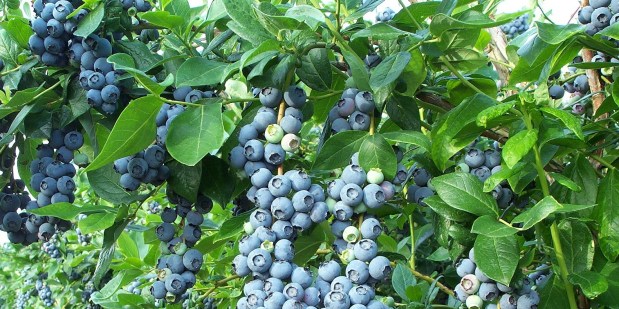
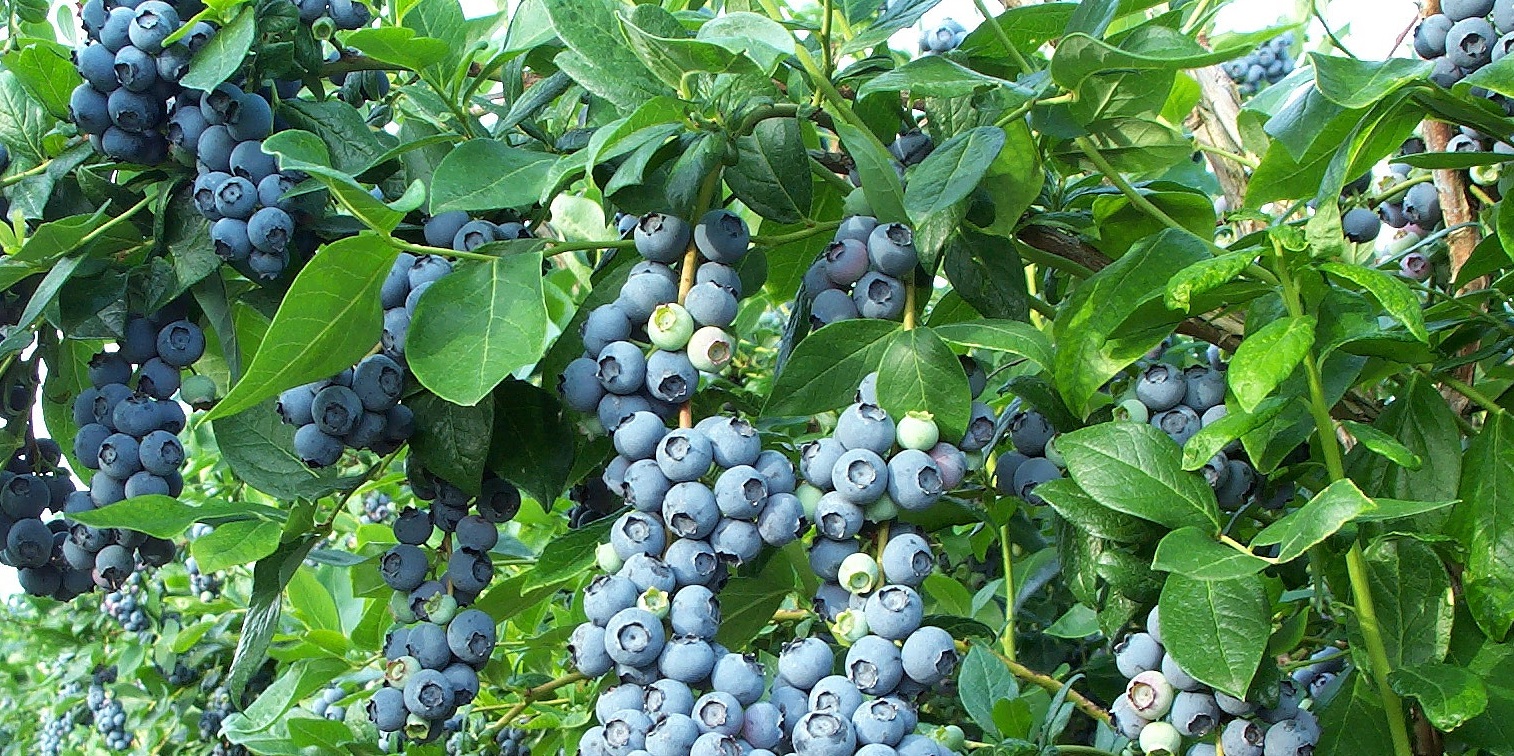
I have some bushes in back yard and only wish that they looked like this, I share with the birds, although got a fake owl this year and actually got a few pints

I

Other related posts from stevesacooking

Glazed Blueberry Chicken

Blueberry oatmeal bread

Jordan Marsh Blueberry Muffins and Pepper Biscuits

Lyn’s Blueberry Oatmeal pancakes

One of my favorite herbs is oregano

One of my favorite herbs is oregano

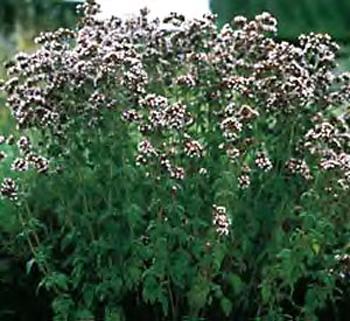
One of my favorite herbs is oregano especially dried but it is used fresh. I don’t know what it is I just love the stuff had it in my tuna fish sandwich at lunch today, my wife says it’s good on pizza but…. There are three common types: Origanum heracleoticum (Greek Oregano), Origanum majorna (sweet marjoram) and Origanum vulgare(wild marjoram, common marjoram, etc.; seems like this sub-species is very common).
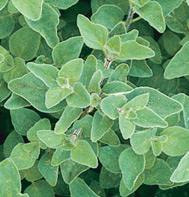
Greek%20Oregano

I like Greek oregano so I wanted more and found this info at About.com

Greek name and pronunciation:

Rigani, ρίγανη, pronounced REE-gah-nee

At the market:

Oregano is sold fresh and dried as cuttings of flower tops and leaves packaged in disposable containers or as dried, ground leaves packaged in sprinkle-pour bottles.

Caution: Not all oreganos are equal. Greek oregano (rigani) is a subspecies with the latin name Origanum vulgare (previously Origanum heracleoticum or Oreganum heraclites). Look at oregano package labeling to identify it.

Physical characteristics:

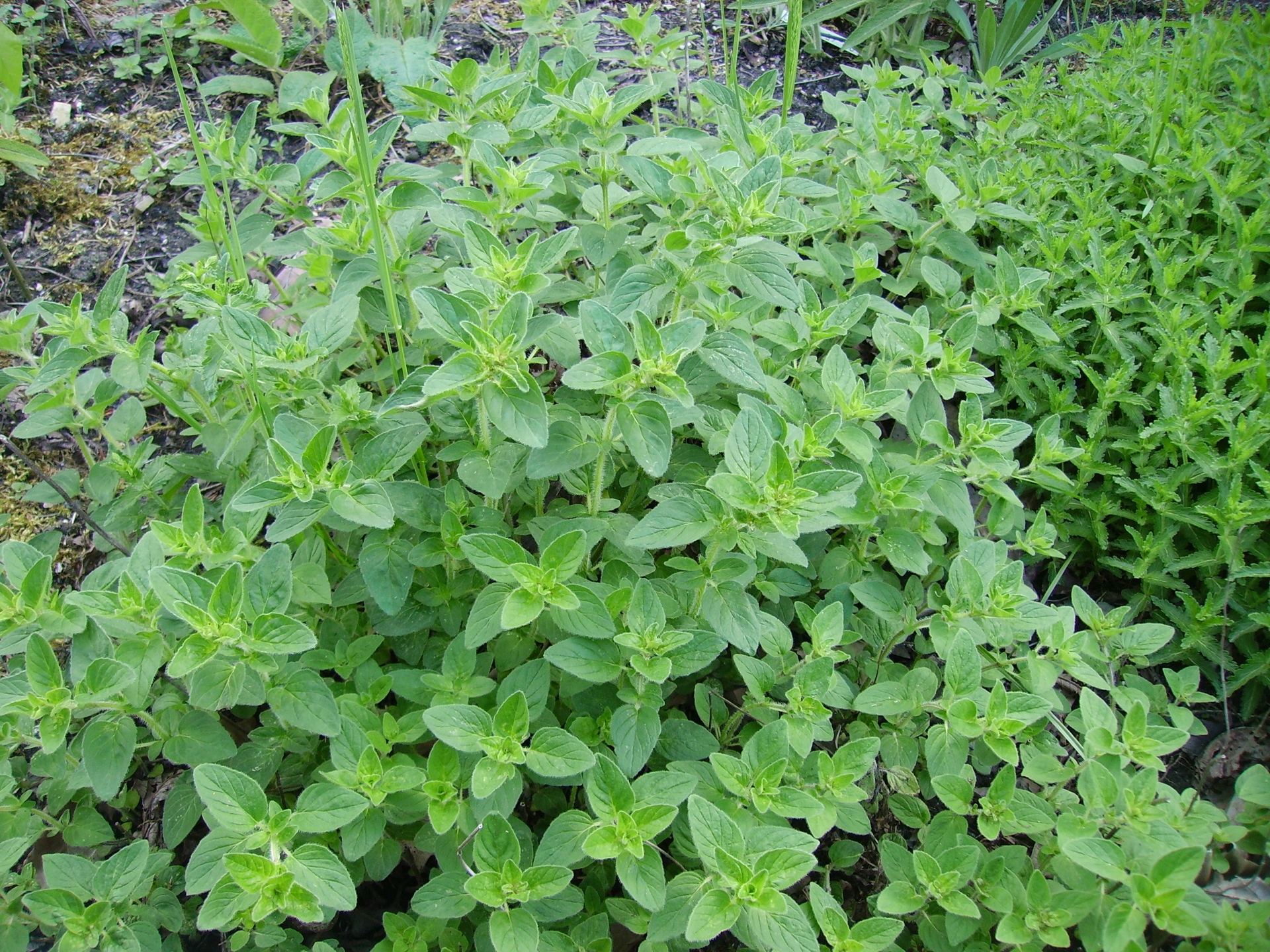
Greek Oregano, in bloom, reaches a height of almost two feet. Like all culinary oreganos, its flower is white. Its leaves are coarse, oval, and fuzzy. Leaves are about 5/8 inch long; they are dark green when fresh and light green when dried.

Usage:

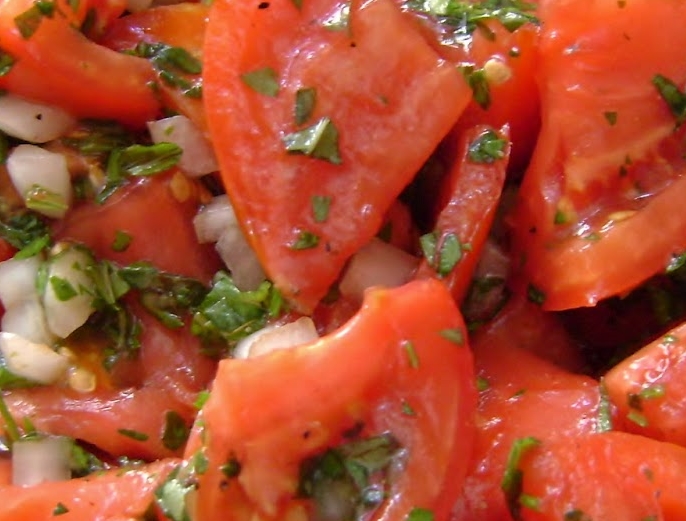
In Greek cooking, oregano is used in tomato sauces, with meats, fish, cheese, egg dishes, salads, cheeses, and with vegetables including tomatoes, zucchini, and green beans. It is also used to prepare a tea that is believed to be a treatment for indigestion, coughs, and to stimulate menstruation.
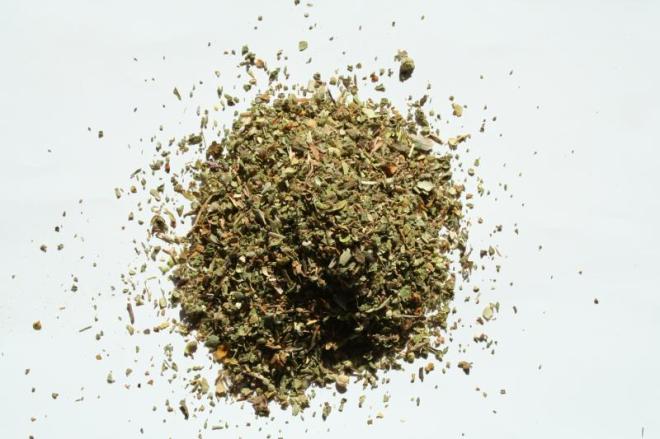
Dried orgegano

Substitutes:

Marjoram (three parts of marjoram for two parts of oregano), thyme, basil, summer savory

Origin, History, and Mythology:

Today, several varieties of oregano are grown in many different parts of the world, from seeds planted in light, dry, and well-drained soils. Historically, as the name implies, Greek oregano originates on the mountain slopes of Greece. It continues to be an important erosion-control plant: its roots reduce soil erosion on mountain slopes. Greek hillsides covered with summer’s growth of wild oregano in bloom are a fantastic excursion for eyes, feet, and nose!

The name “oregano” means “joy of the mountain” and has its origins in the ancient Greek “oros” (mountain) and “ganos” (joy).

According to Greek mythology, the sweet, spicy scent of oregano was created by the goddess Aphrodite as a symbol of happiness. In ancient Greece, bridal couples were crowned with garlands of oregano. Oregano plants were placed on tombs to give peace to departed spirits. It was also used as a laxative because of its cathartic effect.

Oregano’s power to heal has been known for centuries. It has powerful bacteria and fungi killing properties. It is used as a painkiller and anti-inflammatory. Oregano tea is a treatment for indigestion, coughs, and to stimulate menstruation. The oil of oregano is used for toothache, and in some cosmetics. The leaves and flowering stems are natural antiseptics because of high thymol content.
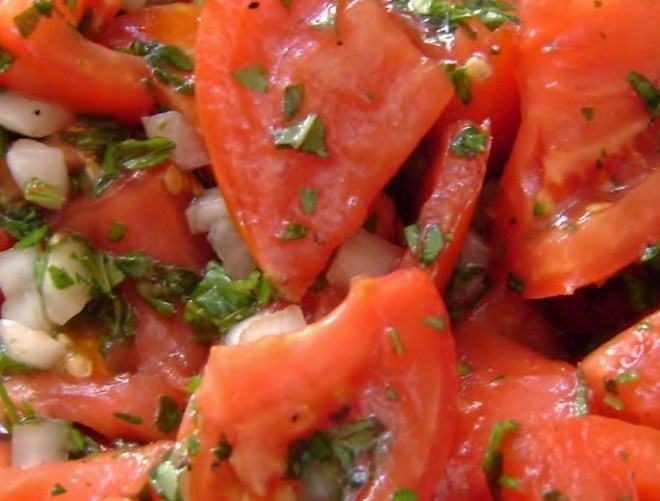
diced tomatoe and oregano

Then at whfoods.org if found this info..


The warm, balsamic and aromatic flavor of oregano makes it the perfect addition to Mediterranean and Mexican cuisines. This popular herb whose name means “mountain joy” is available throughout the year.

Oregano is known botanically as Origanum vulgare and is called wild marjoram in many parts of Europe since it is closely related to the herb that we know as sweet marjoram. It is a small shrub with multi-branched stems covered with small grayish-green oval leaves and small white or pink flowers. In Mediterranean climates oregano grows as a perennial plant, but in the harsher climates of North America, they grow as annuals……..

Health Benefits

You may have seen a bottle marked “oil of oregano” in a health food store. There are good reasons why!
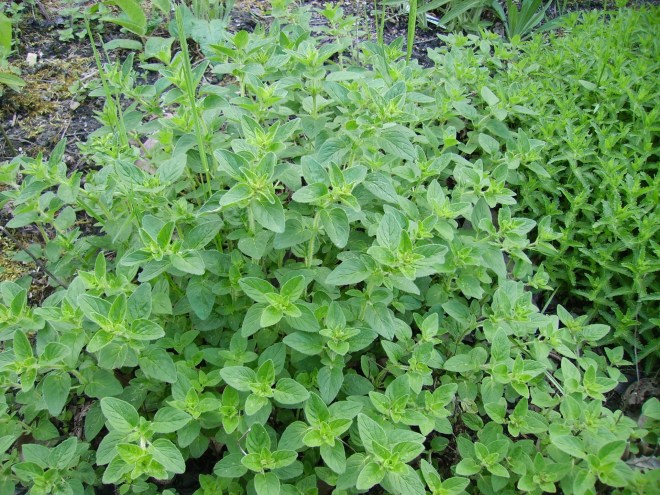
Oregano

An Effective Anti-Bacterial

The volatile oils in this spice include thymol and carvacrol, both of which have been shown to inhibit the growth of bacteria, including Pseudomonas aeruginosa and Staphylococcus aureus . In Mexico, researchers have compared oregano to tinidazol, a commonly used prescription drug to treat infection from the amoeba Giardia lamblia. These researchers found oregano to be more effective against Giardia than the commonly used prescription drug.

Potent Anti-Oxidant Activity

Oregano contains numerous phytonutrients—including thymol and rosmarinic acid—that have also been shown to function as potent antioxidants that can prevent oxygen-based damage to cell structures throughout the body. In laboratory studies, oregano has demonstrated stronger anti-oxidant capacity than either of the two synthetic anti-oxidants commonly added to processed food—BHT (butylated hydroxytoluene) and BHA (butylated bydroxyanisole). Additionally, on a per gram fresh weight basis, oregano has demonstrated 42 times more antioxidant activity than apples, 30 times more than potatoes, 12 times more than oranges and 4 times more than blueberries.

A Nutrient-Dense Spice

Our food ranking system qualified oregano as a very good source of fiber. Fiber works in the body to bind to bile salts and cancer-causing toxins in the colon and remove them from the body. This forces the body to break down cholesterol to make more bile salts. These are just some of the reasons that diets high in fiber have been shown to lower high cholesterol levels and reduce the risk of colon cancer.

Oregano also emerged from our food ranking system as a bountiful source of many nutrients. It qualified within our system as an excellent source of vitamin K, a very good source of manganese, iron, and calcium as well as a good source of vitamin E and tryptophan.
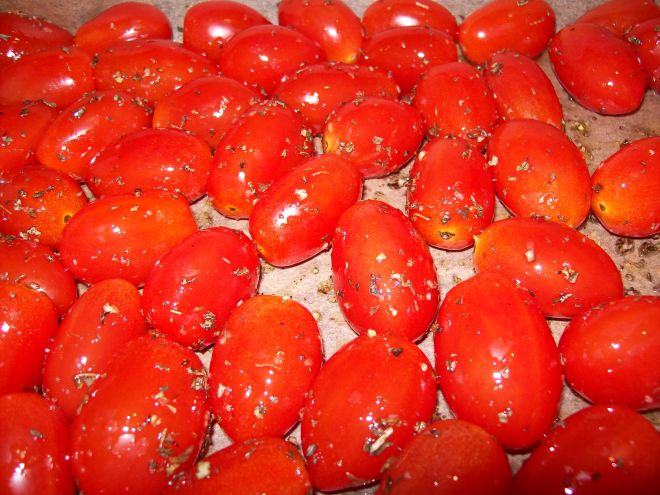
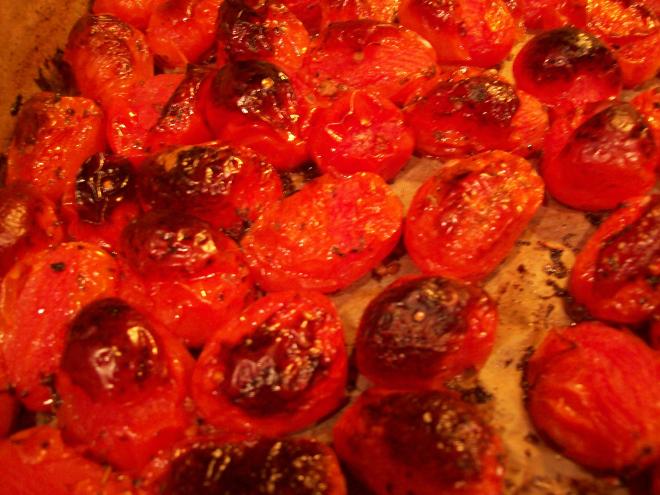
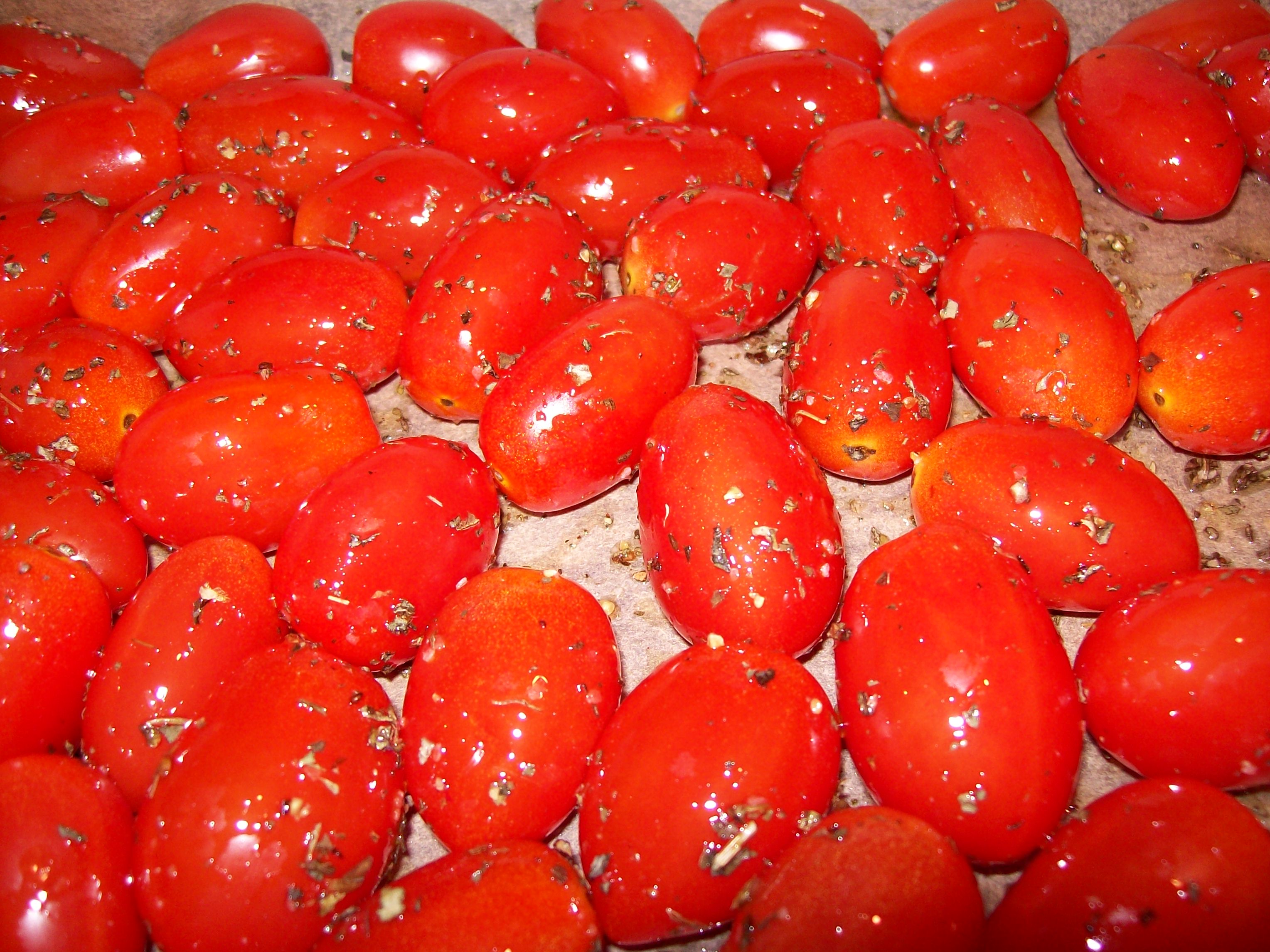
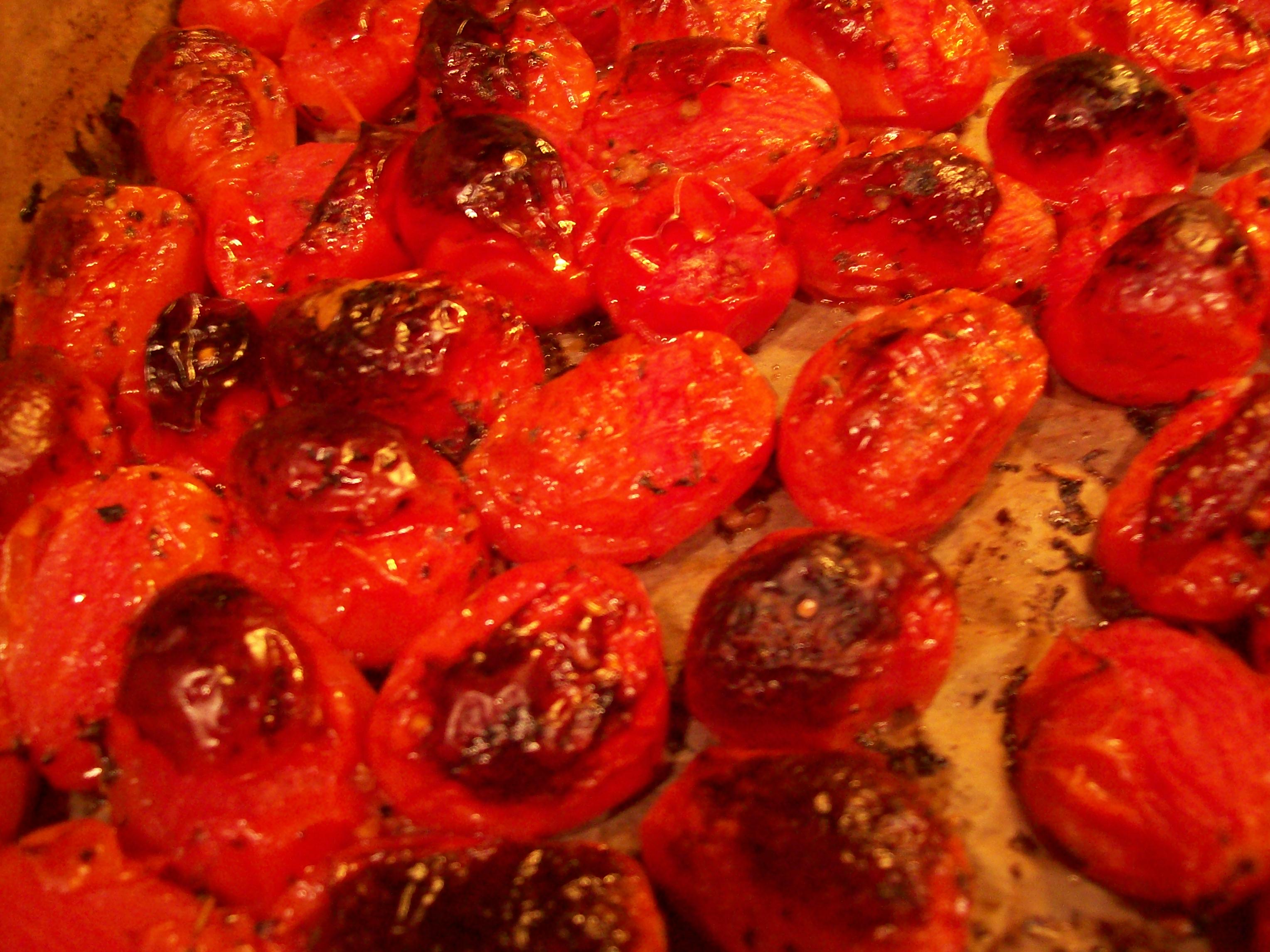
roast grape tomatoes1 roast grap tomatoes1a

Description

While many people think of pizza when they think of oregano, this wonderful herb can add a warm, balsamic and aromatic flavor to many different dishes, especially those of the Mediterranean cuisine.

Oregano is known botanically as Origanum vulgare and is called wild marjoram in many parts of Europe since it is closely related to the herb that we know as sweet marjoram. Its name is derived from the Greek words oros (mountain) and ganos (joy) since not only was it a symbol of happiness, but it made the hillsides on which it grew look beautiful.

Read more at whfoods.org
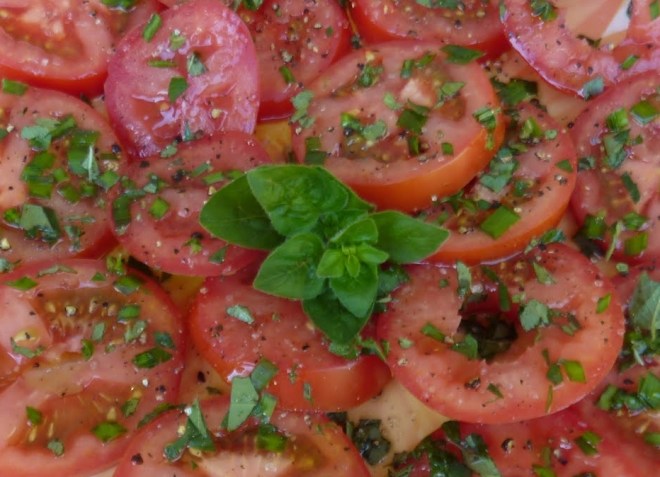
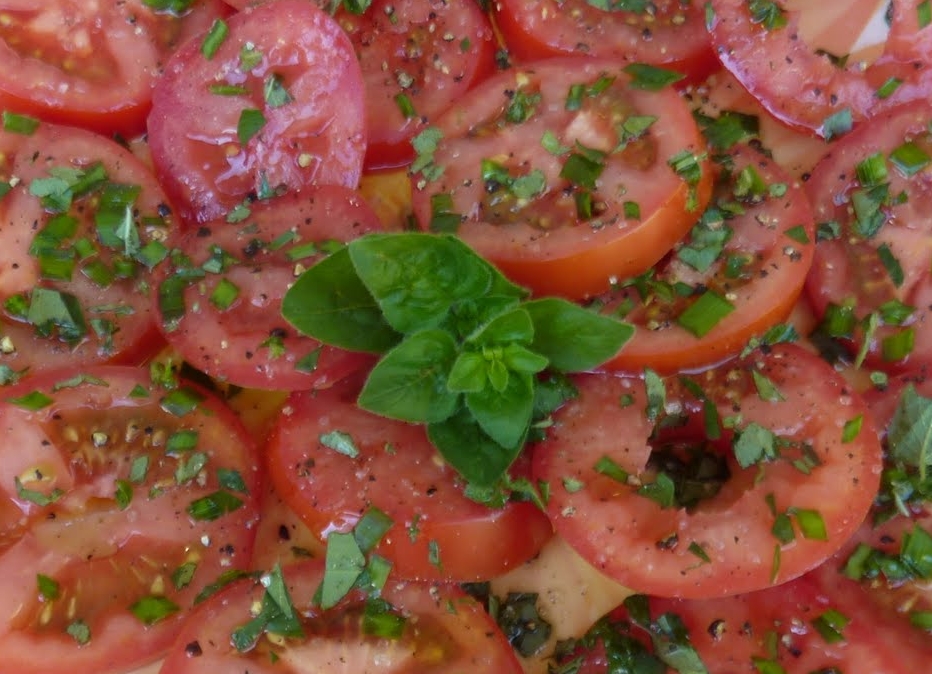
sliced tomotoes with oregano

Passion Flower

Passion Flower

We are on vacation and are doing a lot of day trips discovering towns and area that we had not been to in ages or ever. the weather ahs been good some over cast a lot of humidity and we just missed the flash floods in Walpole NH by 1 day and the tornado in CT by a few hours. Been a good week so far enjoying my self especially in the mountains where there is no 3 or 4G. This for someone who spends my time on computers all day is sooooo nice. Anyway we returned home the other day and with a gasp I notice that our passion flower had bloomed. IT closed that night and has not reopened not sure if that is normal or it is just shy but it was beautiful.


100_2041


Passion Flower (Passiflora) — Symbol of Christ’s Passion and Cross: including his scourging, crowning with thorns, three nails and five wounds.
Reparation Through Flowers

In the 15th and 16th centuries, Spanish Christian missionaries adopted the unique physical structures of this plant, particularly the numbers of its various flower parts, as symbols of the last days of Jesus and especially his crucifixion:
100_2040
* The pointed tips of the leaves were taken to represent the Holy Lance.
* The tendrils represent the whips used in the flagellation of Christ.
* The ten petals and sepals represent the ten faithful apostles (less St. Peter the denier and Judas Iscariot the betrayer).
* The flower’s radial filaments, which can number more than a hundred and vary from flower to flower, represent the crown of thorns.
* The chalice-shaped ovary with its receptacle represents a hammer or the Holy Grail
* The 3 stigmata represent the 3 nails and the 5 anthers below them the 5 wounds (four by the nails and one by the lance).
* The blue and white colours of many species’ flowers represent Heaven and Purity.

The flower has been given names related to this symbolism throughout Europe since that time. In Spain, it is known as espina de Cristo (“Christ’s thorn”). German names include Christus-Krone (“Christ’s crown”), Christus-Strauss (“Christ’s bouquet”), Dorn-Krone (“crown of thorns”), Jesus-Leiden (“Jesus’ passion”), Marter (“passion”) or Muttergottes-Stern (“Mother of God’s star”).
Passionflower: Etymology and Names

The passion fruit is a vigorous, climbing vine that clings by tendrils to almost any support. It can grow 15 to 20 ft. per year once established and must have strong support.
Passionfruit

100_2039  100_2038

Saving leftovers


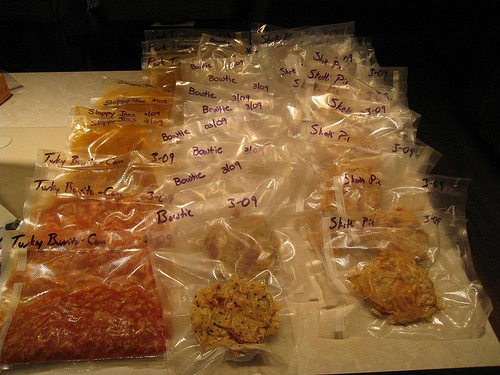
I go through spurts with cooking and have always tried to overcook, the amount not the food. I use leftovers as additions to my daily lunch salad, others freeze for another day in perfect one meal portions, while some I use for leftover meals,  look at what I have and experiments on how to use.

leftovers

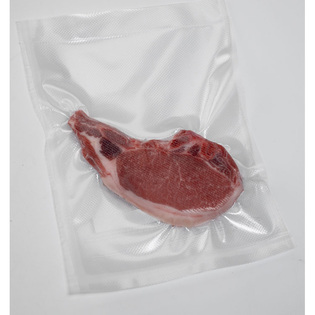
We have a FoodSaver an ancient model and works fine for us.

Some of my best minced chicken lettuce wraps came about in this manner. This has come in handy recently especially with Lyn on her special diet.  This is not to say I won’t cook during the week but I do tend to cook more on weekends. I think any Chicken or meat dishes freeze and reheats well especially the meatballs in or out of sauce.

After a while the freezer gets pretty full so I pull out my frozen menu for the week and place them on the frig shelf. It’s kind of fun when one can plan a week worth of meals just sitting there waiting to be reheated. Some things freeze and reheat well other do not American Chop Suey did not reheat well after freezing – the pasta got a little mushy but that Spaghetti Squash Pad Thai I made the other day did, I reheated in a fry pan added fresh peanuts and bean sprouts and a little more sauce mmmmm. Lyn freezes plain spaghetti squash but told me it is a little watery when reheated so I got my pan very hot and stir-fried until reheated this got rid of the excess moisture.

Freezer Burn

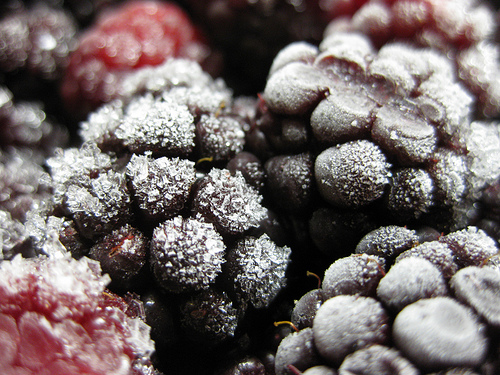
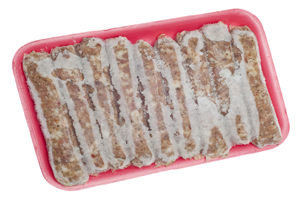
Freezer burn on a piece of beef 4003882014_6aba7bdc0eshutterstock_70258339Freezer Burn (film)


Freezer burn is not a food safety risk. It appears as grayish-brown leathery spots on frozen food, and occurs when air reaches the food’s surface and dries out the product. This can happen any time food is not securely wrapped in air-tight packaging. Color changes result from chemical changes in the food’s pigment. Although undesirable, freezer burn does not make the food unsafe. It merely causes dry spots in foods. Kind of looks like when you defrost in Microwave and some of the edges or thinner parts start to cook, I know you’ve been there.

Save It for Later

http://allrecipes.com

Making meals in advance can be as simple as doubling a casserole recipe or tossing an extra meatloaf into the oven.

Before You Freeze

Before freezing hot food, it’s important to let it cool down. Heat will raise the temperature of the freezer; and the food will not freeze uniformly, the outer edges of the hot dish will freeze hard quickly while the inside might not cool in time to prevent spoilage.

There are just a few things to keep in mind:
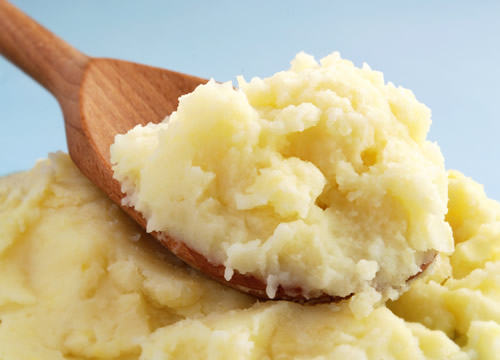
  • Cool precooked dishes as quickly as possible before they are placed in the freezer.
  • For fastest cooling, place the pan of hot food in a sink filled with ice water (or in a larger pan of ice water). If you’re cooling a soup, stew, or sauce, stir occasionally to help it cool evenly.
  • Once the dish is cooled, portion it into meal-sized containers or packages. Label and date the containers. Place them in a single layer in the coldest area of your freezer until completely frozen. Rearrange as necessary.

Tips for Freezing Foods

Poorly wrapped foods run the risk of developing freezer burn and unpleasant odors from other foods in the freezer. Follow these simple wrapping and container tips to ensure the quality and safety of your food:
  • Use only specialty freezer wrappings: they should be both moisture-proof and vapor-proof.
  • Leave as little air as possible in the packages and containers. When freezing liquids in containers, allow a small amount of head room for expansion. When using freezer bags, be sure to remove as much air as possible before closing.
  • Wrap solids foods like meats and baked goods tightly in foil before you bag them.
  • Use rigid containers with an air-tight lid and keep the sealing edge free from moisture or food to ensure proper closure.
  • Secure wrapped packages and containers with freezer tape, and write the dish and the date on the tape with a marker.
  • In many cases, meats and fish wrapped by the grocer or butcher need no extra attention before freezing. However, meat wrapped on Styrofoam trays with plastic wrap will not hold up well to freezing. If the food you want to freeze was not specially wrapped, then re-wrap them at home.
  • Freeze in small containers with no more than a 1-quart capacity to ensure that freezing takes place in a timely manner (i.e., within four hours). Food that is two inches thick will take about two hours to freeze completely.

food saver

Thawing Frozen Foods

With the exception of muffins, breads, and other baked goods, do not thaw foods at room temperature. Bacteria can grow in the thawed portion of prepared foods, releasing toxins that are unsafe to eat even after cooking.

To ensure that your food is safe to eat, follow one of these proper ways to thaw:

In the refrigerator: This is the slowest but safest thawing technique. Small frozen items might thaw in a few hours, while larger items will take significantly longer–overnight and then some.

In cold water: Place the frozen food in a leak-proof bag and place in a large container of cold water.

In a microwave on the defrost setting: Plan to cook the food immediately after it has thawed in a microwave, because some areas of the food might have begun cooking during the defrost cycle.

Best if Used By:

Although freezing keeps food safe for an indefinite amount of time, eventually the flavor will be affected. If the food is obviously damaged (shriveled, with white or frosty spots) it should be discarded.

This chart lists recommended storage times for popular precooked foods–casseroles, soups, lasagna–to ensure high-quality results:

Type of Food

Tomato/vegetable sauces – 6 months

Meatloaf (any type of meat)  – 6 months

Soups and stews –  2-3 months

Poultry and Meat Casseroles – 6 months

Poultry (cooked, no gravy)  – 3 months

Poultry (with gravy/sauce)  – 5-6 months

Meatballs in sauce  – 6 months

Pizza dough (raw, homemade) –  3-4 weeks

Muffins/quick breads (baked) 2-3 months

Don’t Crowd the Freezer

A temperature of 0 degrees F (-18 degrees C) is best for maintaining food quality. Proper air circulation is key to keeping your freezer operating at maximum efficiency.

Freezing does not kill bacteria, yeast and molds that might be in your foods–it merely holds them at bay by keeping them inactive. If the freezer’s temperature is disturbed often or altered for an extended period of time (such as a door left ajar or power outages) these microbes can compromise your food’s safety.