Texas Style Chili

We recently got back from a trip celebrating our 30 anniversary, had a great time twirling, sipping and spitting wines from Napa to Sonoma. we were befriended by two great ladies, sister in laws,  one was I believe 76 and the other 87 and a hot shit. Phyllis was from Texas and on one excursion we were tasting some local chili and she mumbled beans we don’t put beans in chili in Texas.  Well my wife was inspired and it was not long, this last weekend that I was confronted with another do you think you can make this. The first thing I noticed was brisket and I was sold, I love brisket and have a lot of different recipes take a look at them if you have a chance. I actually just had some for lunch, I love the way the different heats from the chilies come out as you eat.

Ingredients
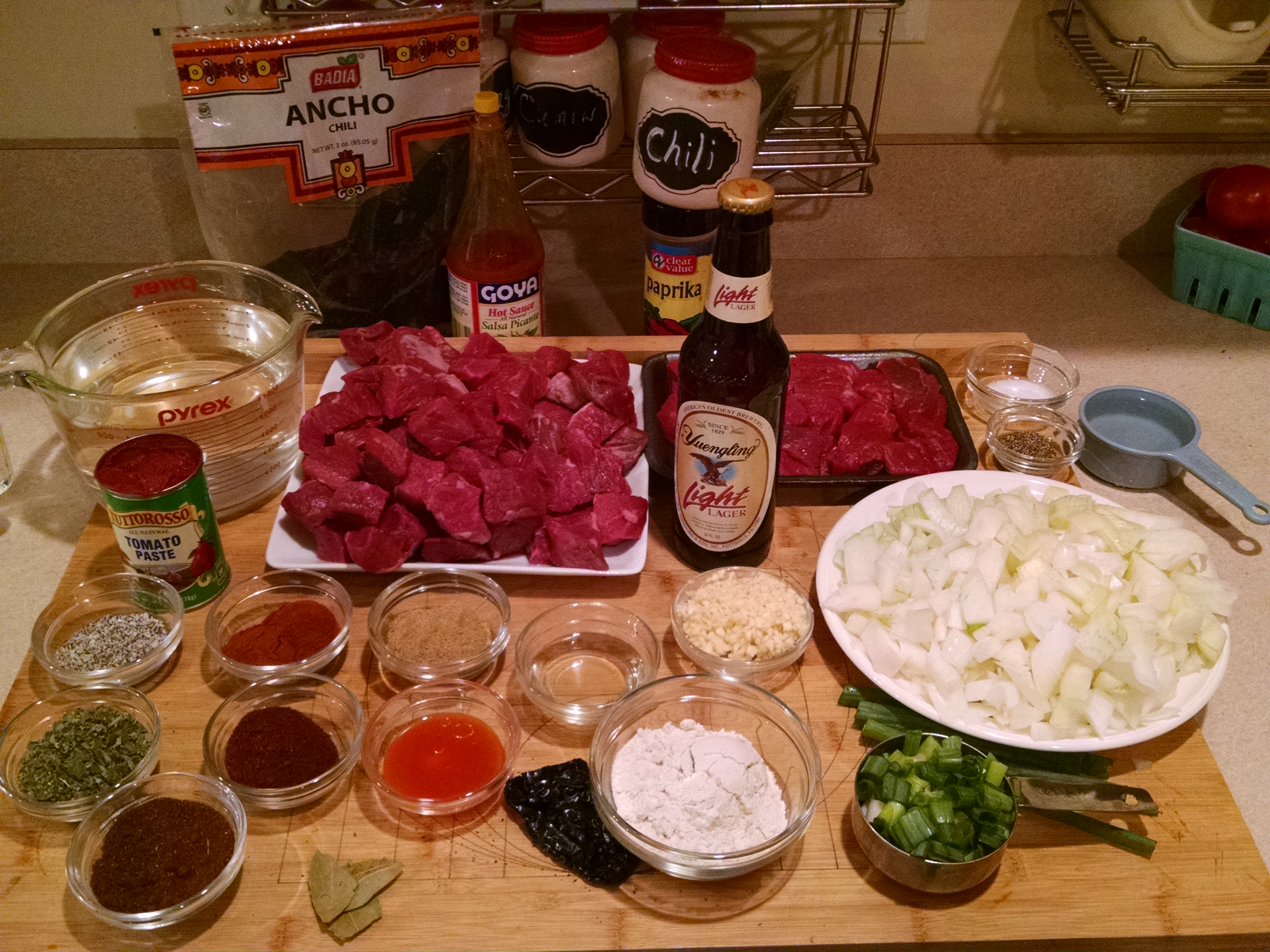
Ingredients

  • 3 pounds flat-cut beef brisket, trimmed and cut into 1-inch cubes (I really trimmed most of the fat off the brisket)
  • 1 pound beef stew meat
  • 2 teaspoons freshly ground black pepper, divided
  • 1 3/4 teaspoons kosher salt, divided
  • 5 teaspoons canola oil, divided
  • 4 cups chopped yellow onion
  • 2 tablespoons dried oregano
  • 1 1/2 tablespoons paprika
  • 1 tablespoon chili powder
  • 1 tablespoon ancho chile powder
  • 1 tablespoon ground cumin
  • 6 garlic cloves, finely chopped
  • 2 dried bay leaves
  • 1 dried ancho chile, seeded
  • 1 (6-ounce) can unsalted tomato paste
  • 4 1/2 cups water, divided
  • 1 (12-ounce) lager beer (such as Shiner)
  • 5 tablespoons masa harina
  • 2 teaspoons hot sauce (such as Tabasco)
  • 1/2 cup chopped green onions

Preparation

1. Sprinkle beef with 1 teaspoon pepper and 1 teaspoon salt. Heat a large Dutch oven over medium-high heat. Add 1 teaspoon oil to pan; swirl to coat. Add one-quarter of beef to pan; sauté 3 minutes or until well browned on all sides. Remove beef from pan. Repeat procedure 3 times with 3 teaspoons oil and remaining beef.
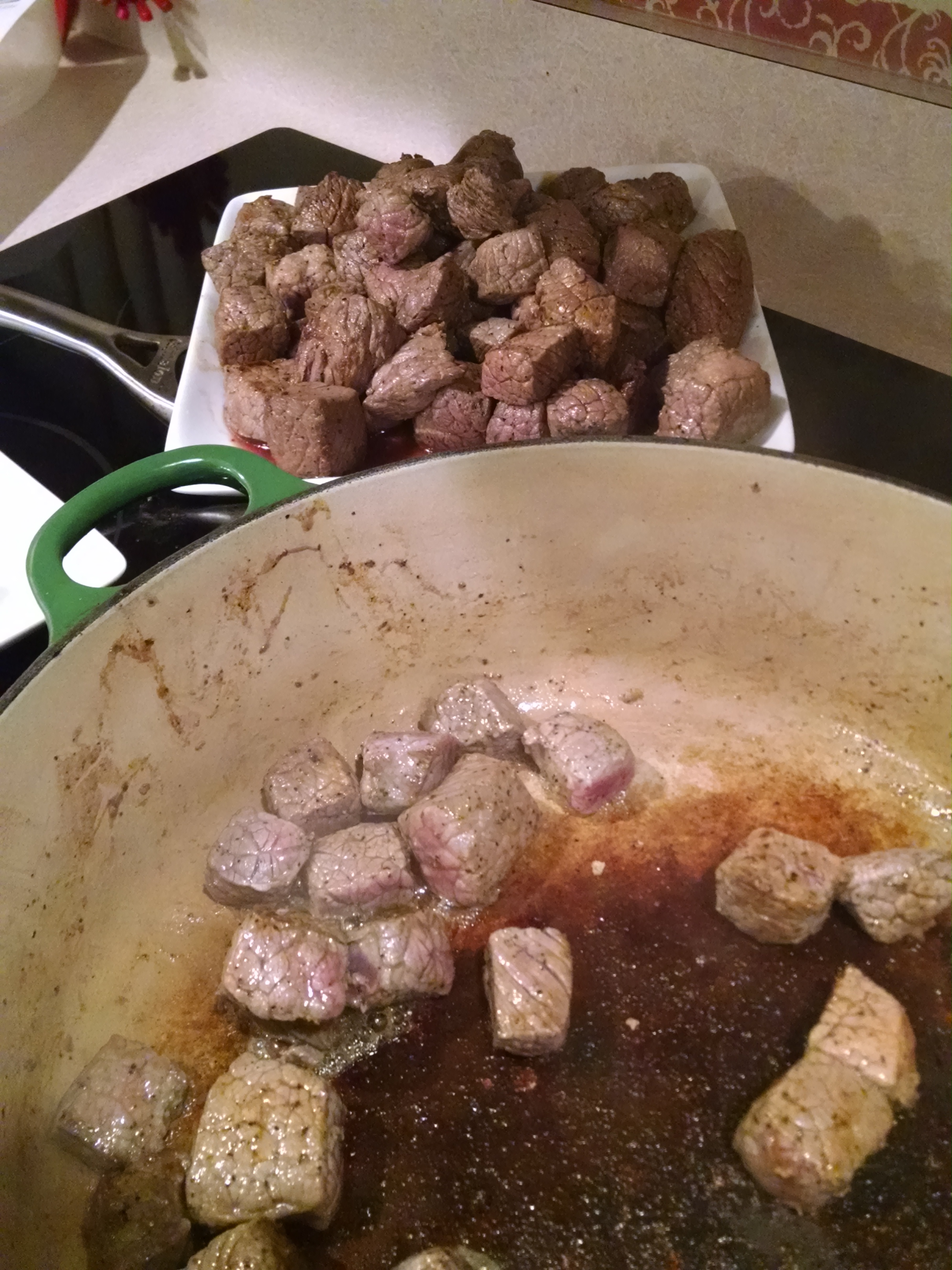
brown

2. Add remaining 1 teaspoon oil to pan; swirl to coat. Add onion and next 8 ingredients (through dried chile); sauté 3 minutes. Stir in remaining 1 teaspoon black pepper, remaining 3/4 teaspoon salt, and tomato paste; cook 1 minute, stirring constantly. Stir in 4 cups water and beer; bring to a simmer.
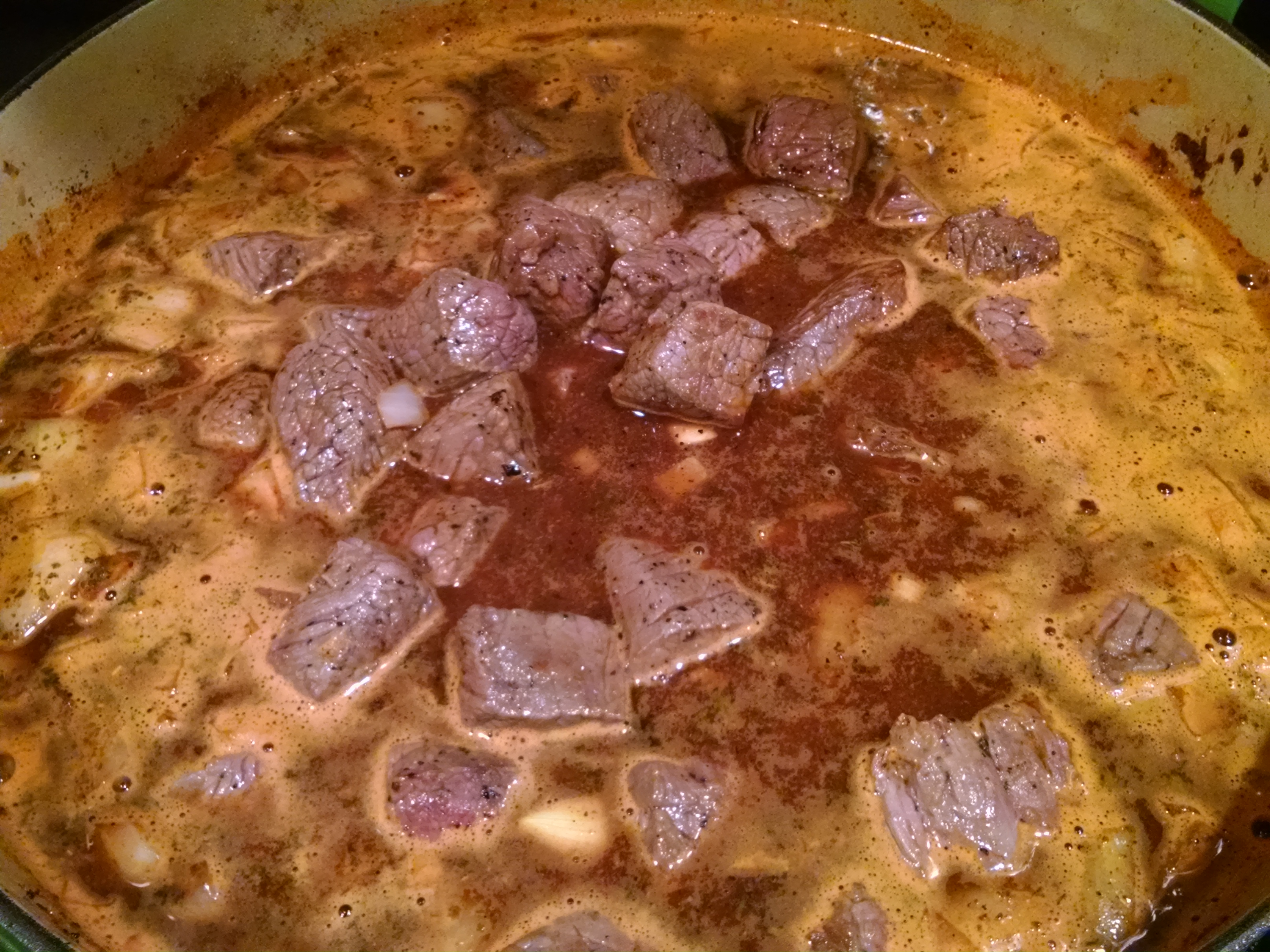
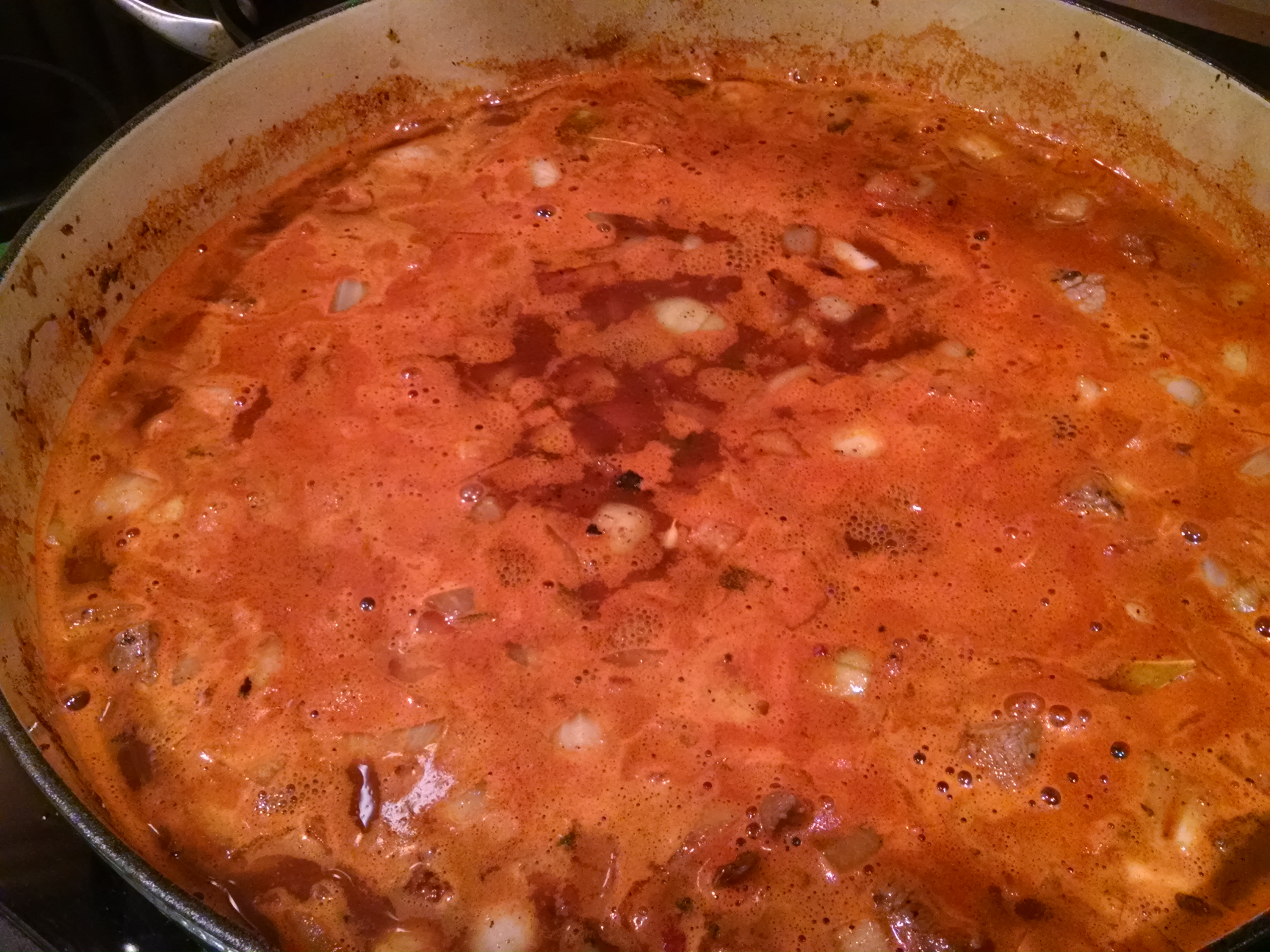
combine bring to simmer cover

Reduce heat to medium-low, cover, and cook 2 hours or until beef is very tender. Combine remaining 1/2 cup water and masa in a small bowl, stirring with a whisk until smooth. Add masa mixture and hot sauce to pan; cook 3 minutes or until slightly thickened. Discard dried ancho chile and bay leaves. Sprinkle with green onions.

seerve

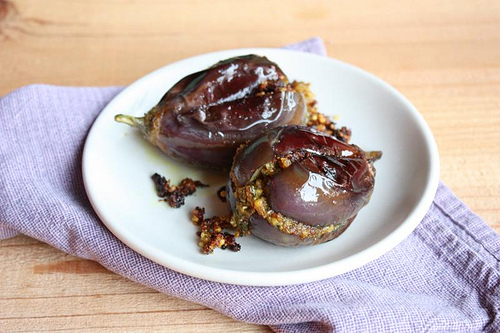
Indian Eggplant Stuffed with Sesame-Peanut Masala

I made this last night , man was it good. I made little crisp pancakes from the left over stuffing.

I was lucky, Lyn prepared everything I just did the stuffing and cooking.

4940182587_25066fd11f-scaled500

eggplants

4940769344_bd470e2a64_z-scaled500

By Andrea Nguyen

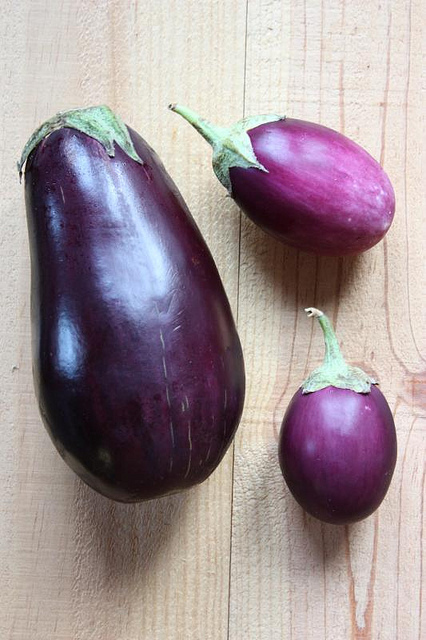
There are many kinds of eggplants in Asia and the egg-shaped Indian variety is particularly wonderful. It peaks during hot months and as the season winds down, I make this terrific Indian recipe, which I learned from Ruta Kahate’s 5 Spices, 50 Dishes. You’ll find the Indian eggplants at South Asian markets as well as at some farmer’s markets where they’ll be sold by Asian farmers. In California where I live, Hmong farmers are my summer time go-to source for eggplants. They have a medium-thick skin and creamy flesh, and are much smaller than the regular globe variety. You can certainly grill them, but better yet, stuff them with a rich mixture of ground peanuts and sesame seeds and let them get kind of crusty. Serve warm or cold.

Serves 4

1/4 cup toasted white (hulled) sesame seeds

1/2 cup unsalted roasted peanuts

2 tablespoons brown sugar

1 teaspoon salt

1/2 teaspoon ground turmeric

1/2 teaspoon cayenne

1 teaspoon minced or crushed garlic

1/4 cup finely chopped cilantro leaves

2 teaspoons water

8 Indian eggplants, or 6 small Italian or Japanese eggplants (1 1/2 pounds total)

3 to 4 tablespoons canola oil

1/4 cup water

1. For the filling, use a mini food processor to grind the sesame seeds, peanuts, sugar, salt, turmeric and cayenne to a crumbly texture. Transfer to a bowl and mix in the cilantro and water to create a compact, spreadable mixture. Set aside.

2. Use scissors to trim the eggplant stems so that they are about 1/2 inch long. Use your fingers to remove the green pointy flaps of the eggplant caps. Make a deep cross incision in each eggplant, stopping 1/2-inch short of the stem. To do that, position each one on its side on your cutting board. Hold it down with one hand while you wield the knife with the other hand to make the first horizontal cut. Roll the eggplant 90 degrees and make the second horizontal cut.

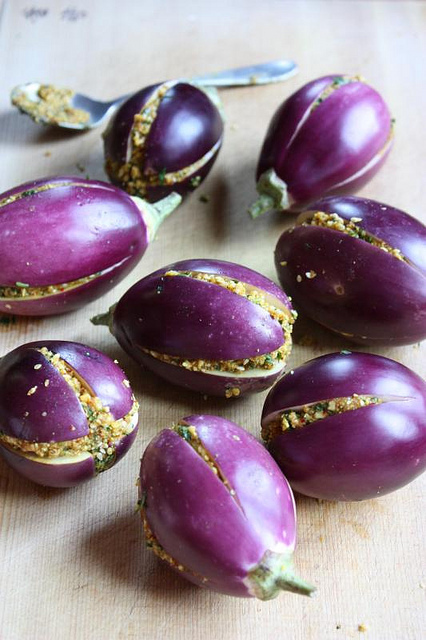
3. Use a teaspoon to stuff each eggplant with about 1/8 of the filling. Gently pry open the eggplant, stuff in the filling. Make sure there is filling between each of the cuts. Gently squeeze the eggplant to make the filling sticks and fills the crevices.

4. Pour the oil into a large nonstick skillet over medium heat to film the bottom. When hot, add the eggplants in a single layer. Fry the eggplants for 3 to 4 minutes, turning frequently, to brown them on two sides. Don’t fret when some of the filling spills out. Add the remaining 1/4 cup water, cover with a lid or foil, and turn the heat to low. Cook for 15 to 20 minutes, turning halfway through, until tender. Pierce with the tip of a knife to test. There will be filling in the skillet bottom. If you want to crisp those bits and serve them with the eggplant, increase the heat to medium high and fry for 1 to 2 minutes, until crisp. Remove from the heat, let the sizzling subside, then transfer to a plate and serve hot or warm.

Marcelo’s Chimi- Churri Sauce

Marcelo gave me a small canning jar of this and I marinated a slab of baby back for 24-48 hours those were the best ribs I have ever made.

(4- 8 cloves) Garlic

Parsley (lots) – one bunch

Oregano (lots) – one bunch

Bay Leave (whole) (about 2 – 3 leaves)

Red Pepper (crushed)

Paprika

Black Pepper

Kosher salt (sea)

1 cup Hot Water

½ cup Red wine vinegar

½ cup Oil (preferably not Olive Oil)


  1. food processor the herbs and garlic separately
  2. Boil water.
  3. Use a glass container and start placing the herbs, garlic and other ingredients;
  4. Add hot water,

New Addition to the Kitchen

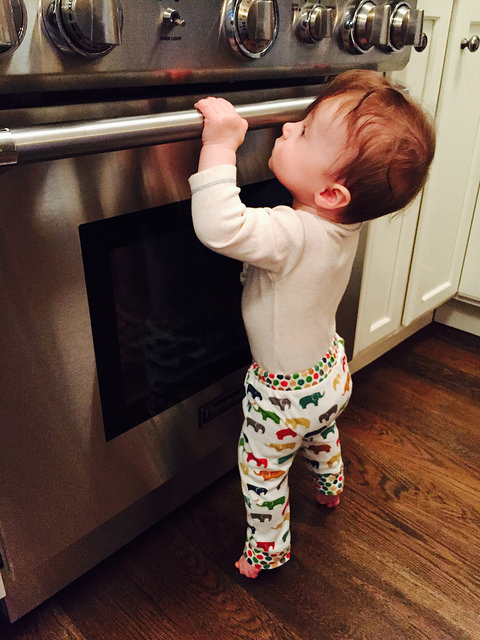
7 months old and cooking

It's almost done can you smell that?

It’s almost done can you smell that?


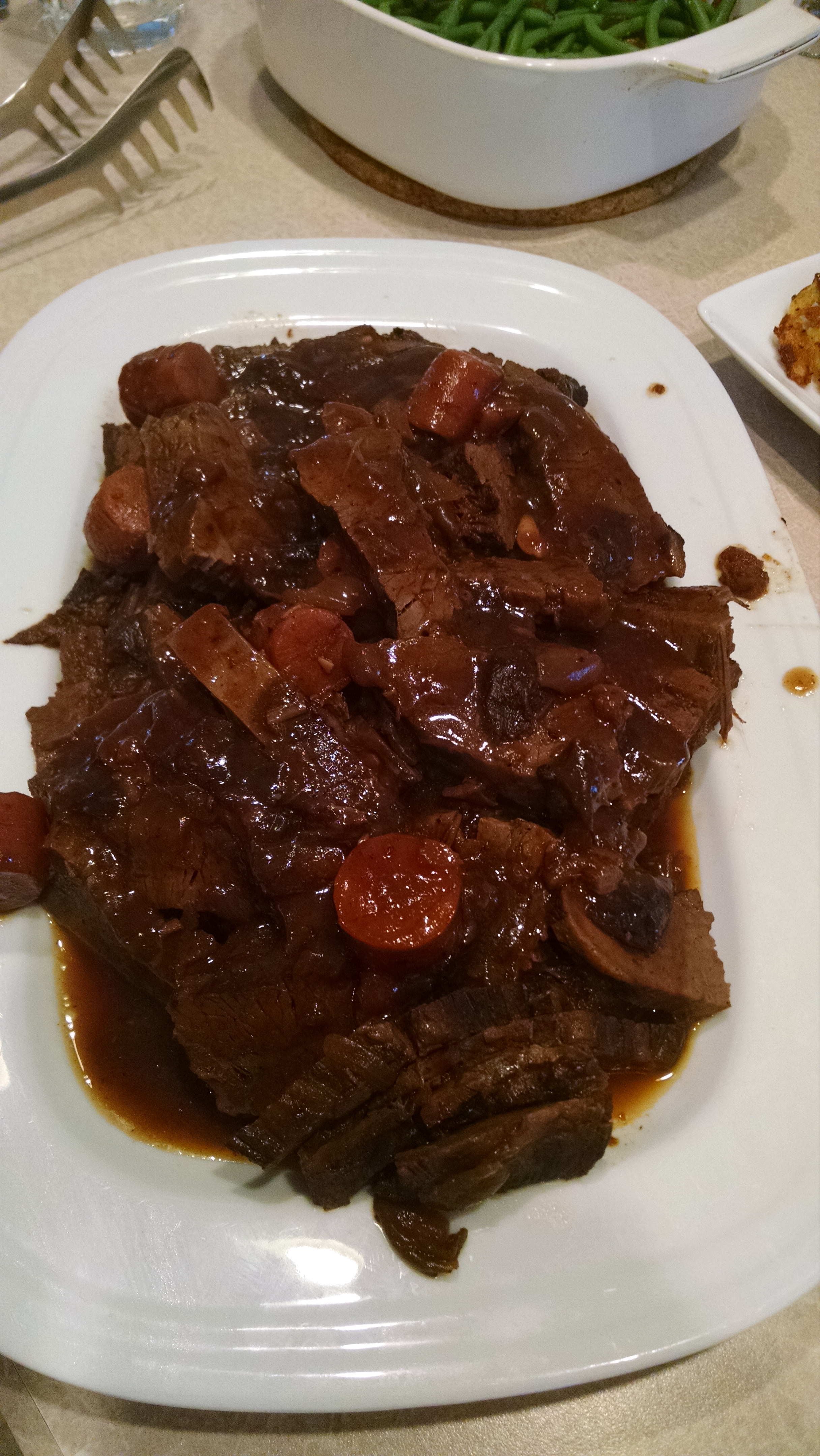
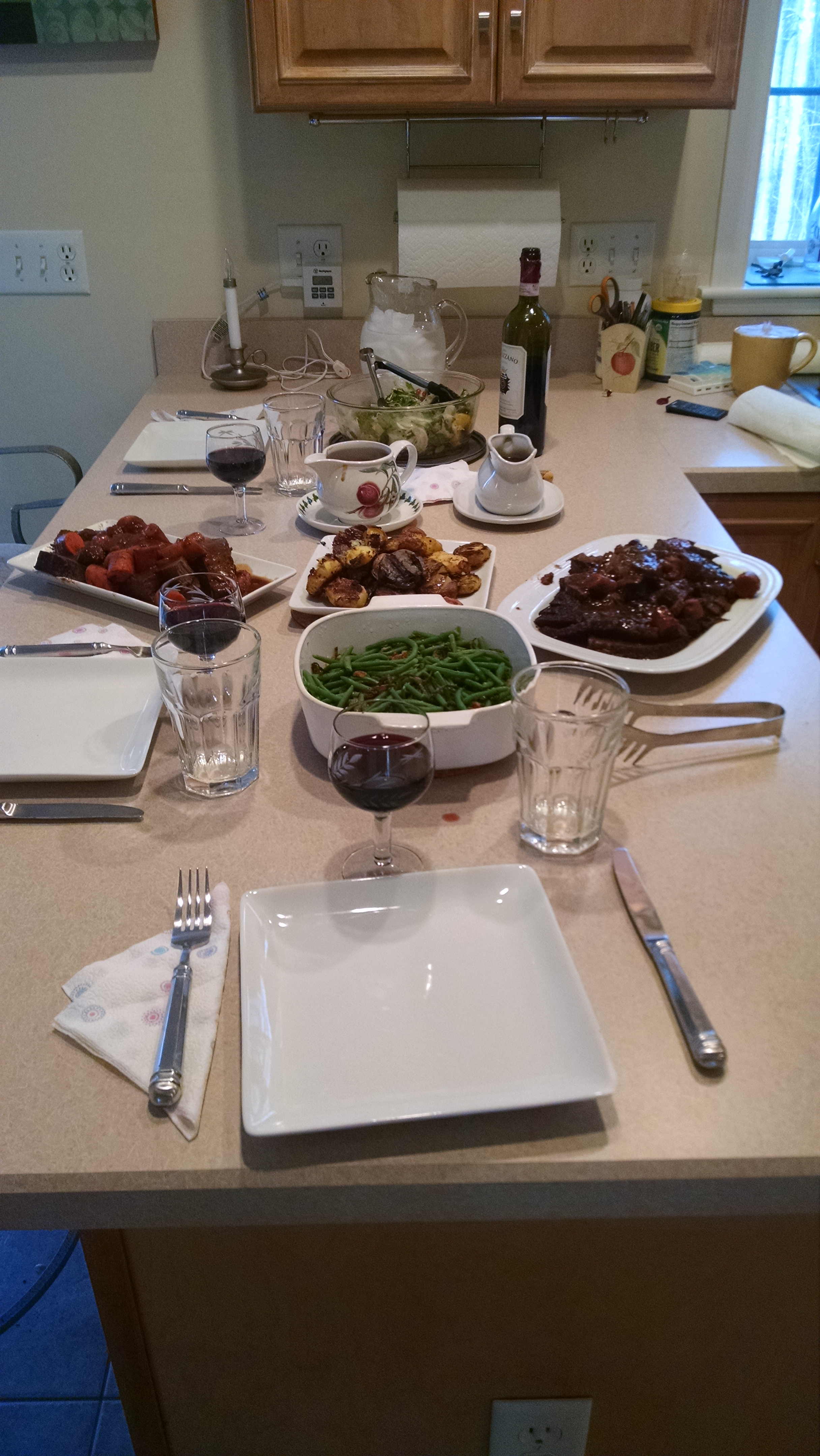
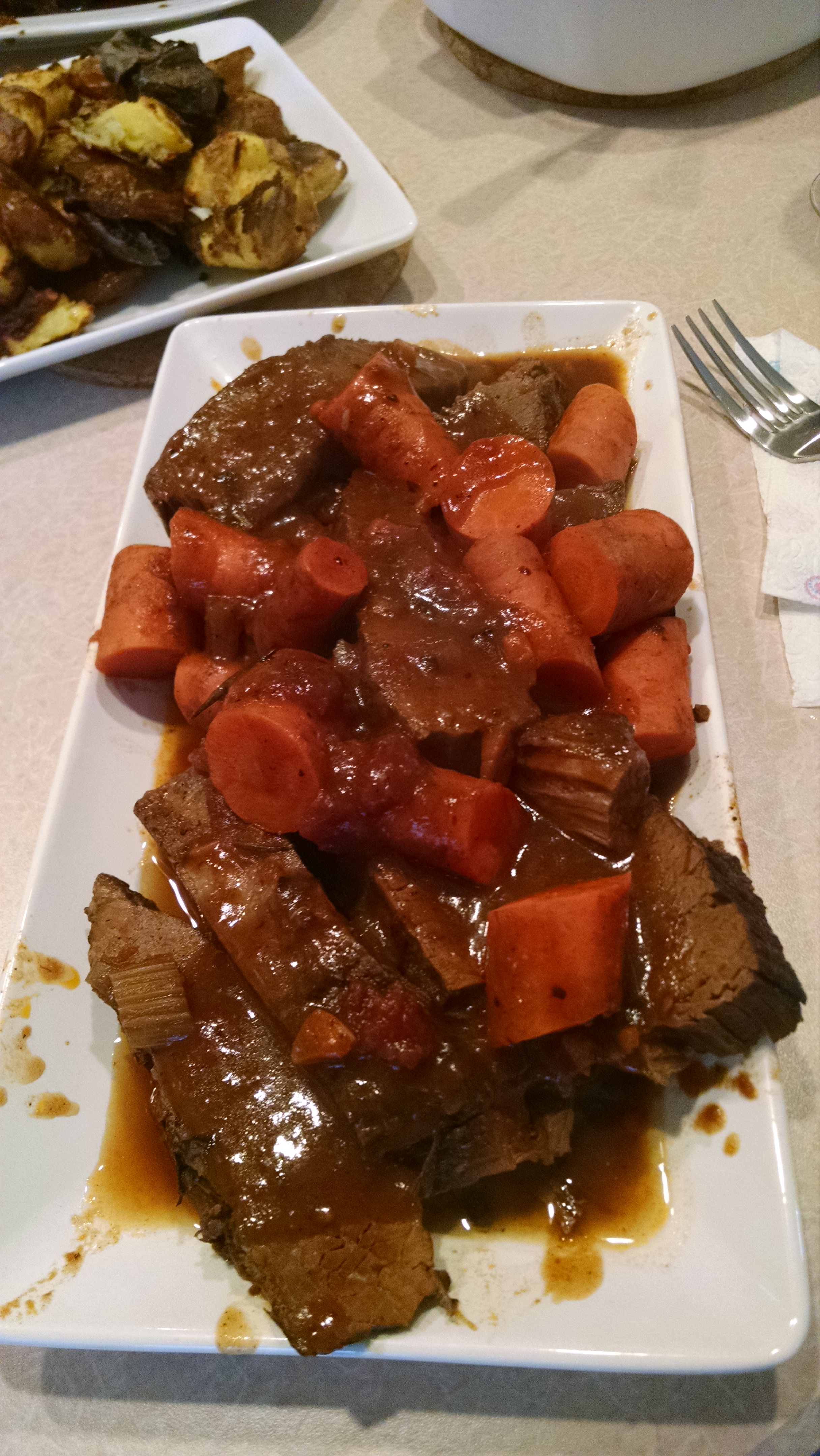
Brisketathon December 2014

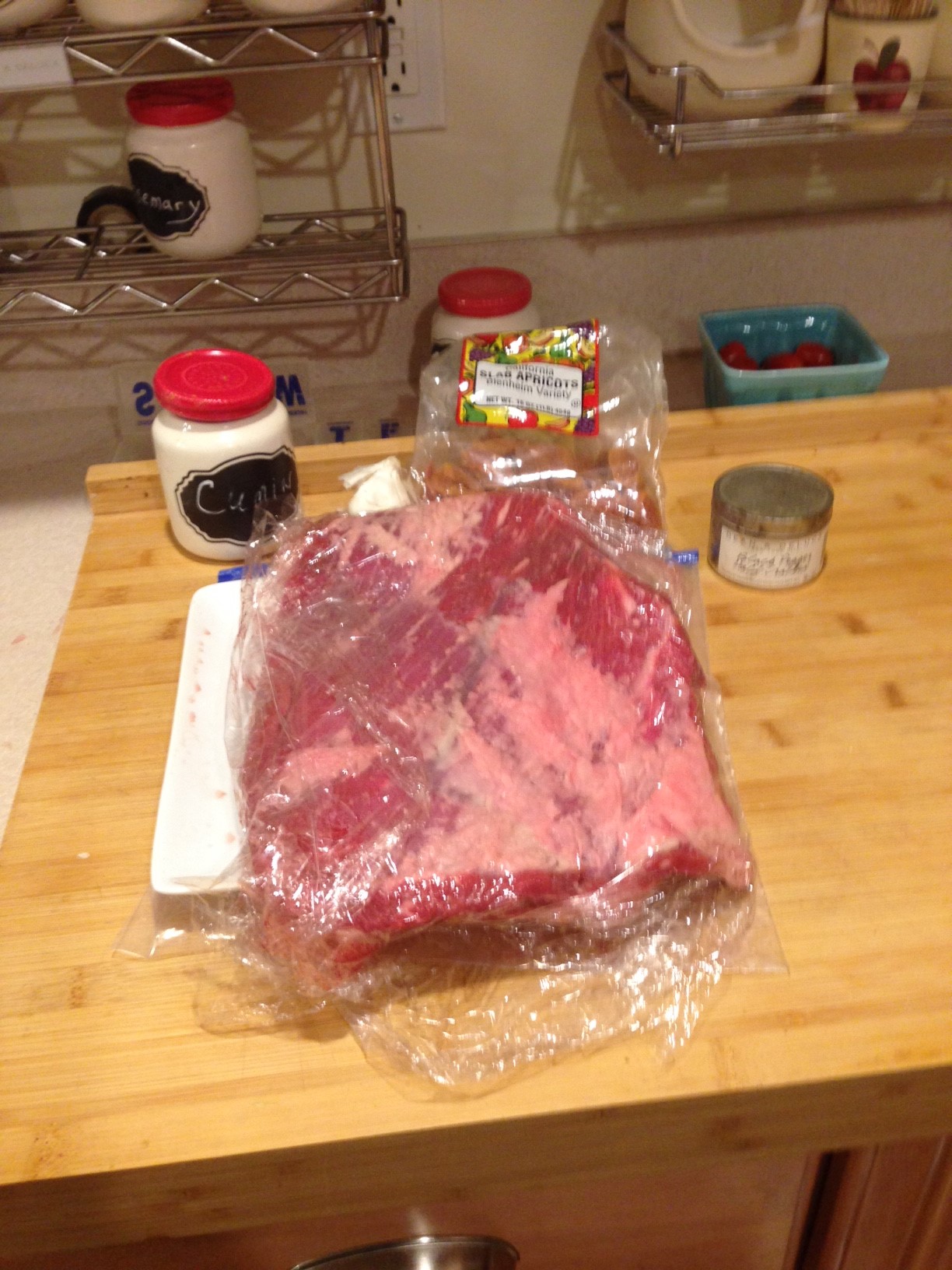
My nice Roman Catholic wife decided that she did not want a turkey this year for Xmas dinner and that a brisket would be nice. I found a recipe with red wine and that was the plan until the trip to Whole foods could not yield a 6 pound Brisket. I was taken by surprise and kind of stood there with a blank spare, Lyn was down another isle all the pressure was on my shoulders,  the plan in my head thrown off kilter. The butcher said here just cook these together stacking 2 three pounders on top of each other. I mumble sure what else can I do. On the way to break the news to Lyn it came to me our first annual Brisketathon. Two different brisket styles the ultimate taste treat. Lyn found this recipe from an old email from Missi said it was the best meat she ever had at this party, she got out the recipe it had red wine. Keep in mind she was then and still is basically a vegetarian, or Raw food and what I fondly call her witches brews. Flax seed in ….. how awful I used to say – used to the key phrase here I have now issue with Flax seed now. I had found another red wine version on the Jewish Journal.  Mike was excited about the menu and was looking forward to Xmas dinner.

I did a Google search and came up with I guess is the original recipe on epicurious

Remember I have found the secret to a good brisket has always been make a head, slice across grain, refrigerate and reheat

Brisket with Dried Apricots, Prunes, and Aromatic Spices

Bon Appétit | April 2002

by Jayne Cohen

Made by Lyn for the Brisketathon  2014

Ingredients

IMG_0305

  • 2/3 cup quartered dried apricots (about 4 ounces)
  • 9 large garlic cloves
  • 3 1/2 teaspoons ground cumin
  • 1 teaspoon salt
  • 1/4 teaspoon ground cinnamon
  • 1/4 teaspoon ground black pepper
  • 1- 4 1/2- to 5-pound flat-cut beef brisket
  • 3 tablespoons olive oil
  • 4 cups chopped onions
  • 2 medium carrots, coarsely chopped
  • 1 tablespoon minced peeled fresh ginger
  • 1 teaspoon ground coriander
  • 1/8 teaspoon cayenne pepper
  • 1 cup dry red wine
  • 3 cups homemade beef stock or canned low-salt beef broth
  • 2/3 cup pitted prunes, quartered
  • Chopped fresh cilantro

How

Combine 1/3 cup apricots, 3 garlic cloves, 1 teaspoon cumin, salt, cinnamon, and 1/4 teaspoon pepper in processor. Using on/off turns, chop to coarse puree. Using small sharp knife, make 1/2-inch-deep slits all over brisket. Set aside 1 tablespoon apricot mixture. Press remaining apricot mixture into slits.

Position rack in bottom third of oven and preheat to 300°F. Heat oil in heavy large ovenproof pot over medium-high heat. Sprinkle brisket all over with salt and pepper. Add brisket to pot and sauté until brown, about 5 minutes per side. Transfer to plate, fat side up; spread with reserved 1 tablespoon apricot mixture. Add onions to same pot. Sauté over medium-high heat 5 minutes. Add carrots, ginger, coriander, cayenne pepper, remaining 6 garlic cloves and 2 1/2 teaspoons cumin; sauté 3 minutes. Add wine and boil until reduced almost to glaze, stirring up any browned bits, about 5 minutes. Return brisket to pot. Add stock and bring to simmer. Spoon some of vegetable mixture over brisket.

Cover pot and place in oven. Roast brisket 2 1/2 hours, basting every 30 minutes with pan juices. Add prunes and remaining 1/3 cup apricots. Cover; roast until brisket is tender, about 30 minutes longer. Cool brisket uncovered 1 hour. Chill uncovered until cold, then cover and keep chilled overnight.

Spoon off any solid fat from top of gravy; discard fat. Scrape gravy off brisket into pot. Place brisket on work surface. Slice brisket thinly across grain. Bring gr avy in pot to boil over medium-high heat. Boil to thicken slightly, if desired. Season gravy with salt and pepper. Arrange sliced brisket in large ovenproof dish. Spoon gravy over. Cover with foil. (Can be made 2 days ahead; refrigerate.)

Rewarm covered brisket in 350°F oven about 30 minutes (or 40 minutes if chilled). Sprinkle with cilantro and serve.

Epicurious.com © Condé Nast Digital, Inc. All rights reserved.

IMG_20141225_131525885 IMG_20141225_131530776 IMG_20141225_131517254

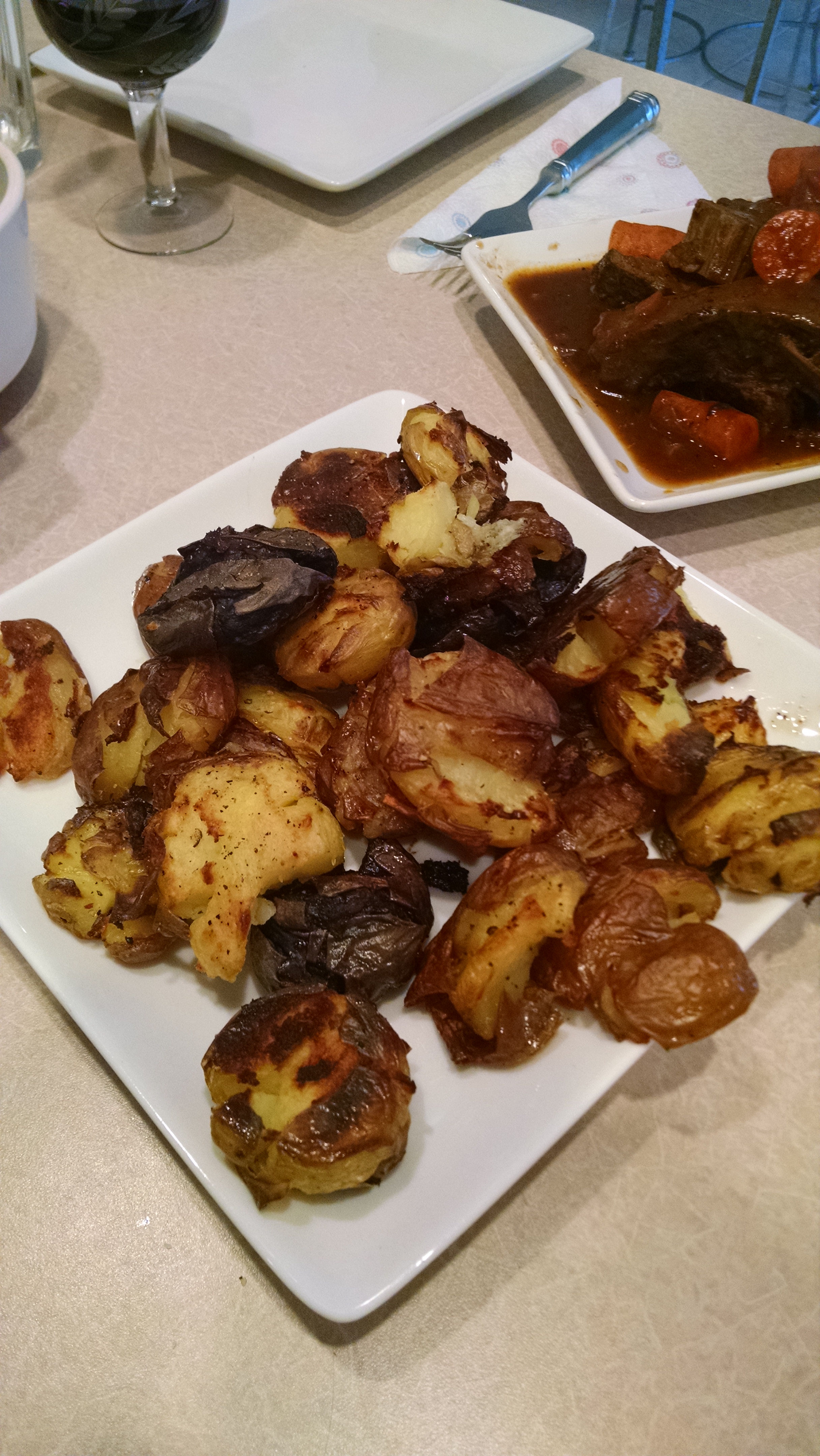
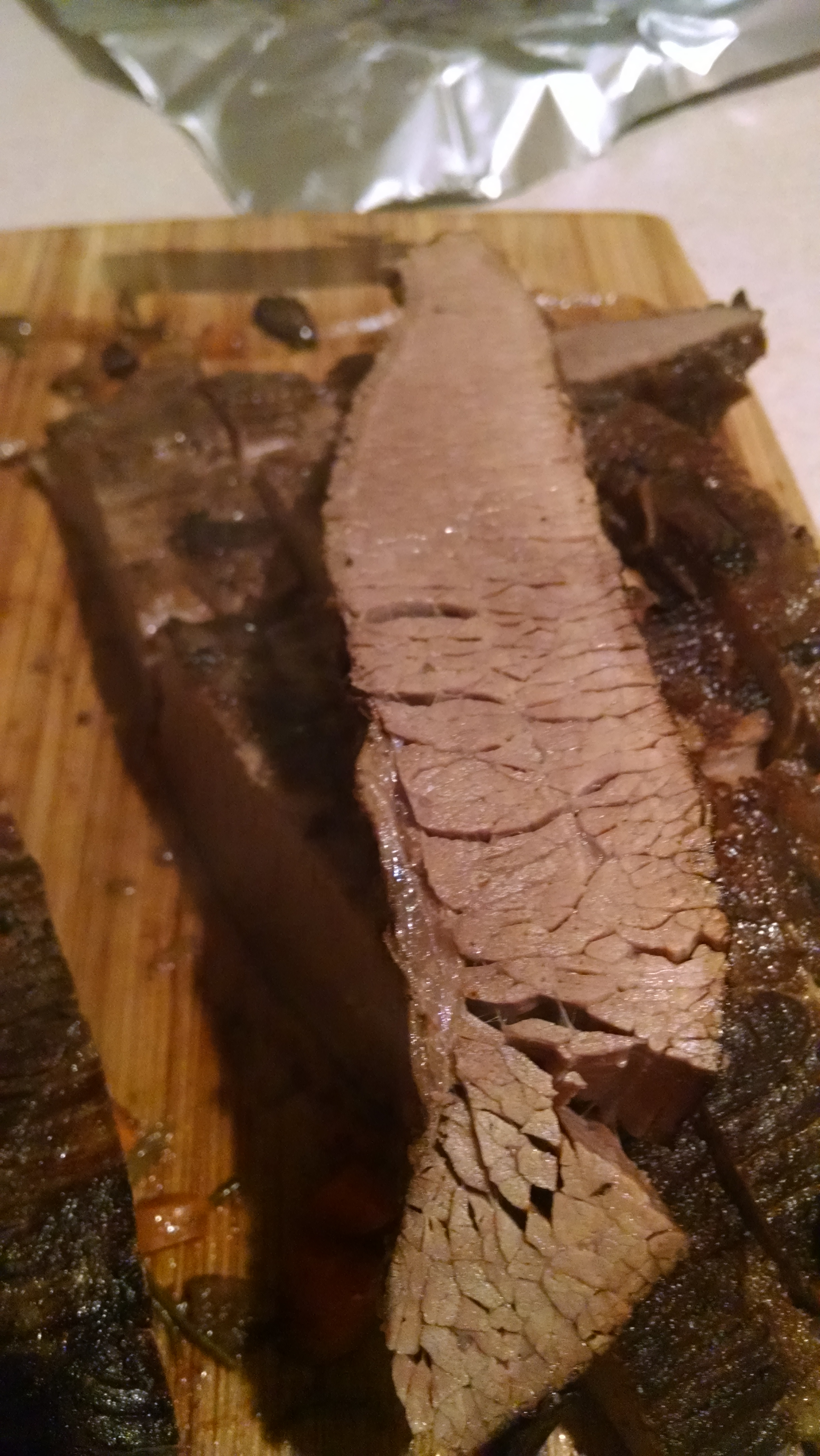
THE BEST BRISKET EVER. with potatoes

IMG_20141225_131539841

Steve: Notes

  • This was part of Brisketathon 2014 Missy Brisket
  • I made crispy smashed new potatoes instead to the traditional cook in the gravy ones.

IMG_20141225_131530776

  • The below words are not mine they are Elana whose picture shocked me I was expecting a bubbe.
  • The other recipe is here

by Elana Horwich

I don’t compliment myself too easily. In fact I have a complex about not being good enough. I am terrified that everything I do will suck and bring embarrassment to my family and the entire Jewish people at large. A neurotic Jew- that is so cliche, which only makes me feel more pathetic. I have been to therapy, I have seen healers, done yoga, tried alcoholism and acupuncture. If it wasn’t for a small dose of zoloft I wouldn’t even have the guts be writing this. But let me be clear: I don’t need the zoloft to tell you that I know how to make a friggin’ brisket.


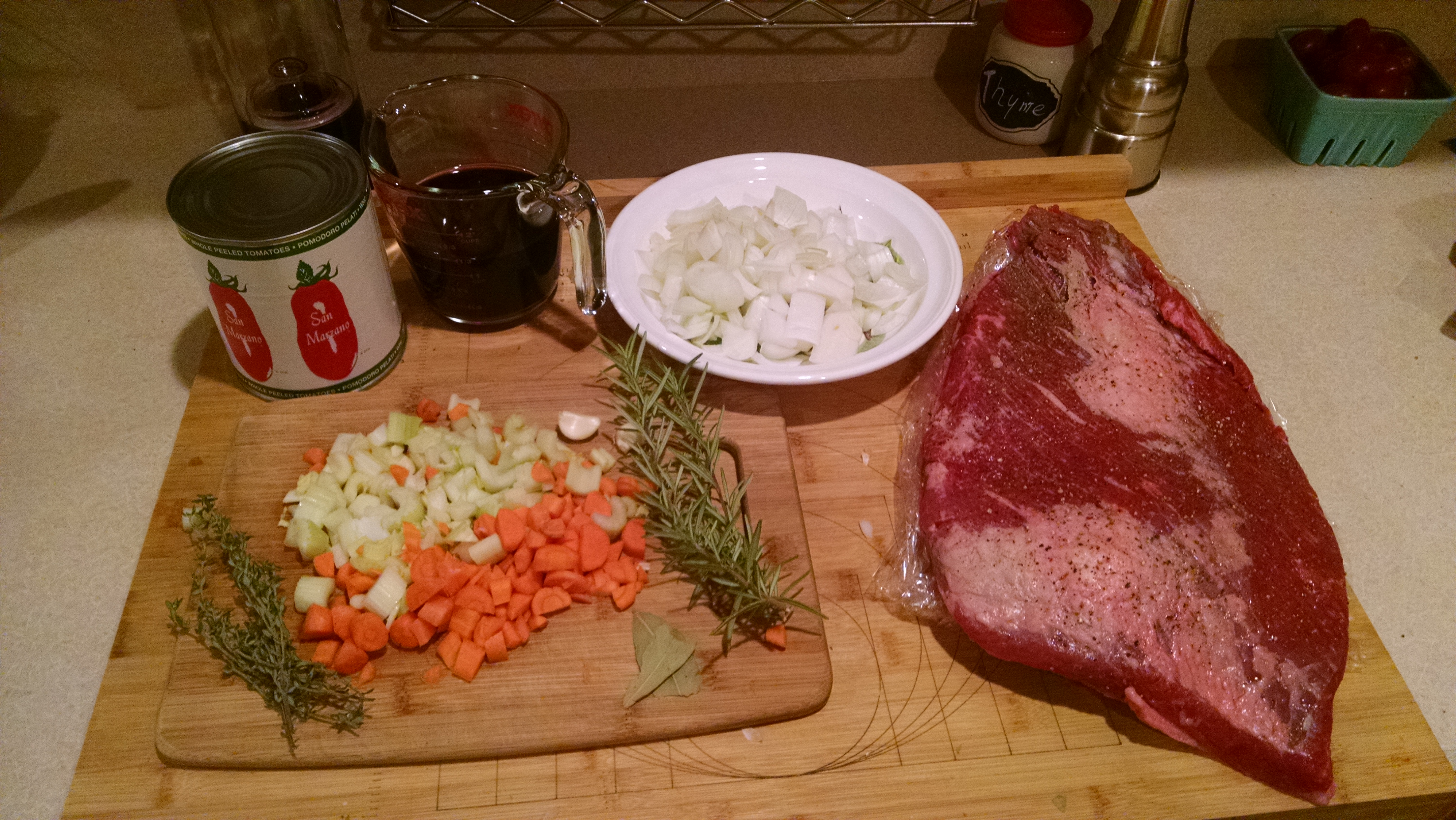
My brisket is made with Jewish heart and Italian flavors. I cook it much in the same way a Northern Italian might braise a different cut of beef (in wine, tomatoes, and aromatics: meaning rosemary, thyme, bay leaf, etc.) to create a dish that tastes like Tuscany but feels like Shabbat.


While I am aware that there is such a thing as BBQ Texan Brisket, I do not acknowledge that as brisket. Until the state of Texas chooses to recognize reproductive rights, gay marriage and the replacement of oil with renewable energy, I will not recognize their brisket. Until then, no stars for the lone star.


Please let it be known that even though I keep throwing out the Jewish card on this one, my brisket is not only meant for the chosen people. Anyone who eats it feels chosen. You can line a hundred Jews up to tell me that my brisket is amazing but it won’t carry the weight of one Italian who gives me the same compliment.  Of course, they call it spezzatino…my Italian friends still remember and still talk about my spezzatino.  (FYI, spezzatino is usually made with cubed beef from a different cut.)


One day a few years ago, I made a brisket to combat a wave of depression that was trying to creep its way in, quite a lot of food and time when no one but misery is coming over to eat. If you bake it, they will come. Just as I was taking it out of the oven,  in walked a group of my Italian friends (they called about 2 minutes beforehand to notify-  very typical) in order to pick up something they needed. When they smelled and saw an 8 pound spezzatino in my kitchen they almost went through the roof. They called other friends, had them bring wine and before I knew it a dinner party was well on its way with a meal that no one has ever forgotten. And as for that wave of depression, postponed.


Brisket is actually incredibly easy to make and pretty hard to mess up. You can add a little too much of this or a little too little of that but as long as you have a few basics (which I will of course share with you) all the flavors will meld perfectly with time in the oven to bring you a delicious, juicy brisket. The problem with many briskets, however, is that they are either too sweet, too dry and/or too fatty. Sweet briskets can be tasty but I don’t want dessert for dinner and I don’t want my main course to further contribute to my hangover. (Note: It’s the sugars that makes you feel icky in the morning and quite frankly I would rather have wine and dessert than beef that topples over the glycemic index.) Furthermore, briskets don’t need to be dry in order not to be fatty. The trick to making a juicy, tender brisket is four-fold:

  1. Make sure you have enough liquid in the pot. (wine, broth, etc)
  2. Make sure you have a good pot. An important factor in making an amazing, fool-proof brisket is to cook it in the right pot. I use a Le Creuset enameled cast-iron dutch oven (buy here). Everything I make in that thing turns out delicious. When my sister got married, she asked me what to register for and I told her to get as many Le Creusets as she could. She’s a novice but an enthusiastic cook. Her husband called me to thank me for turning Danielle into a chef. It wasn’t me. It’s the pot. There are other top brands and none are inexpensive, but they will last you a lifetime and really make all the difference in your cooking.
  3. Cook the meat with the fat still on it and with the fat side up so that the fat will insulate the beef and keep in the juices. Once the brisket is done, take it out of its juices, let it cool,  and scrape off the fat before slicing it and returning it to its sauce.
  4. Time.  Brisket is a slow-cooked, braised meat. As long as the liquid is plentiful, the longer it cooks the better. (Note: The brisket cut of meat  is historically poor man’s food; it cost less than tender cuts of meat like filet mignon, however if cooked long enough will be just as tender.) It needs lots and lots of time at a low temperature to break down the tension in the meat so that it will fall apart with no knife needed. I have even set my oven to 200°F, stuck the thing in at night and woke up in the morning to brisket breakfast. Time is so of essence that you will find your brisket to be even better the next day. (Always make it ahead of time for company and reheat.)Ingredients: for 8-10 hungry people plus leftovers

Ingredients

IMG_20141221_082041910

  • 1 6-8 pound brisket, kosher and/or antibiotic, hormone free
  • 2 onions, coarsely chopped
  • 2-3 stalks celery with leaves, coarsely chopped
  • 2-3 carrots, coarsely chopped
  • 2-3 cloves peeled garlic, whole
  • 2 bay leaves
  • 2-3 branches of rosemary
  • 2-3 stems of fresh thyme (if you have)
  • 5-6 fresh basil leaves (if you have)
  • 1/2 bottle wine (an oaked chardonnay or medium bodied red like chianti or whatever leftover wine you have in the kitchen)
  • 1 28 oz. can San Marzano whole peeled tomatoes
  • Homemade or store bought chicken broth (if needed for more liquid, or just more wine- you want brisket to be just about covered with liquid)
  • salt- about 2 very generous teaspoons
  • extra virgin olive oil
  • 5 or 6 russet potatoes, quarteredThe day or two before: Steve Note: I made crispy smashed new potatoes
  1. Preheat oven to 325°F.
  2. Heat a dutch oven over a medium flame. When hot add olive oil.
  3. Put the brisket in on one side to brown a few minutes and then turn to brown on the other side. (One side will have a lot of fat and you are trying to brown the fat-less parts if any.)
  4. Remove brisket and set aside.
  5. If there is too much melted fat for your taste, remove a little before continuing.
  6. Put in onions and cook until translucent.
  7. Put the brisket back in fat side up.
  8. Top with the carrots, celery, garlic, rosemary, bay leaves, thyme, and basil.
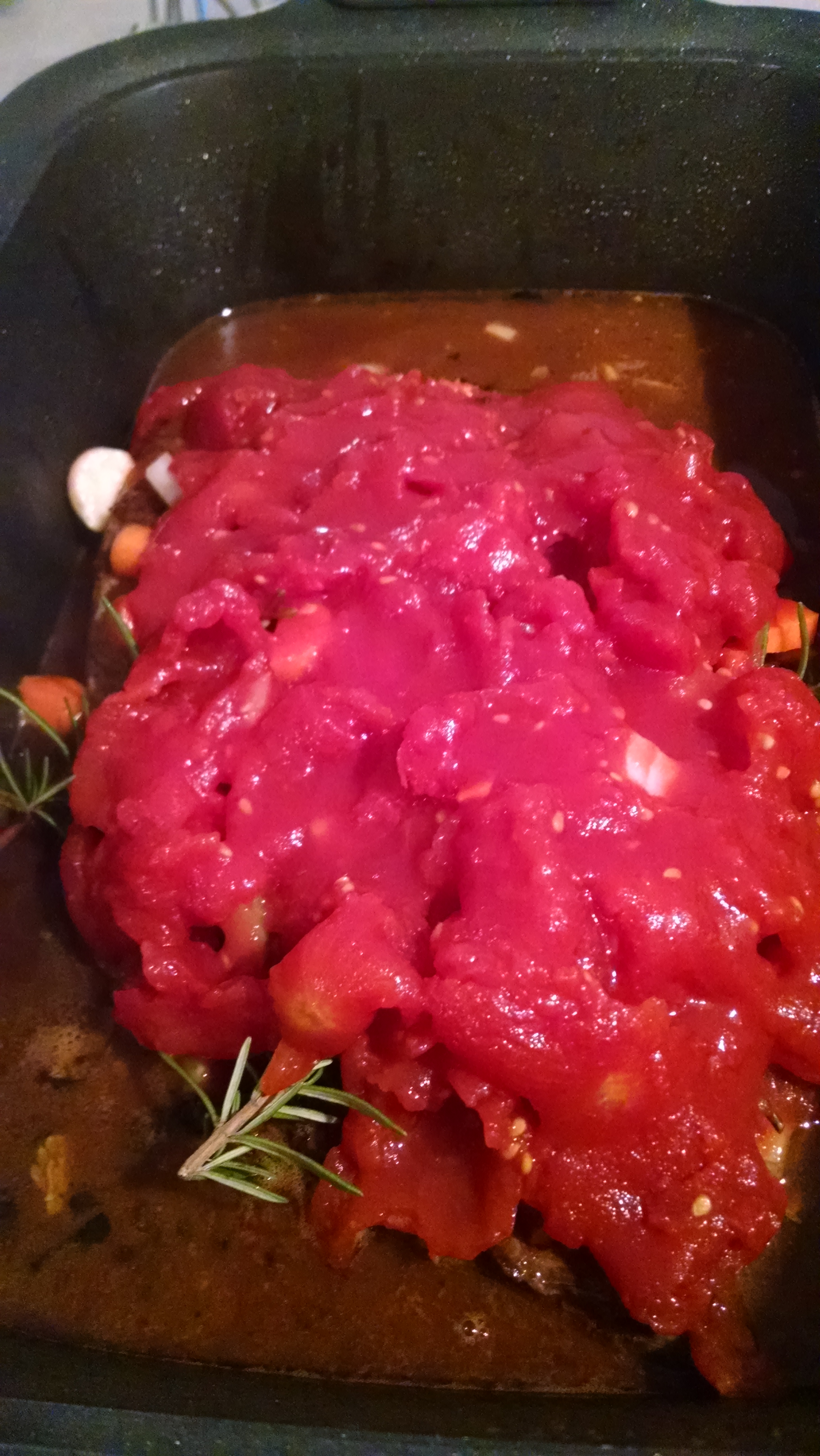
  9. The next step can get messy but its fun. If you prefer, use a knife or a neater system. Take out the tomatoes, one by one,  and crush using your hand. Watch out for spurting juice. Pour in all juices from can.

IMG_20141221_083501106

  1. Add wine (and broth if you feel necessary to mostly cover meat.)
  2. Sprinkle generously with salt.
  3. Cover well and stick in oven for 4-5 hours or longer at an even lower temperature.
  4. Go take a walk and a nap.
  5. When your brisket cuts itself with a fork, it is done.
  6. Take out of oven and let sit to cool a bit.
  7. Take brisket out of juices and let cool completely. When cool, refrigerate it covered.
  8. In the meantime put the potatoes in the juice of the brisket in dutch oven and put on stove, covered, over medium flame, until potatoes are soft and cooked.
  9. Refrigerate until ready to use.
  10. Save all brisket juices.Next Day:
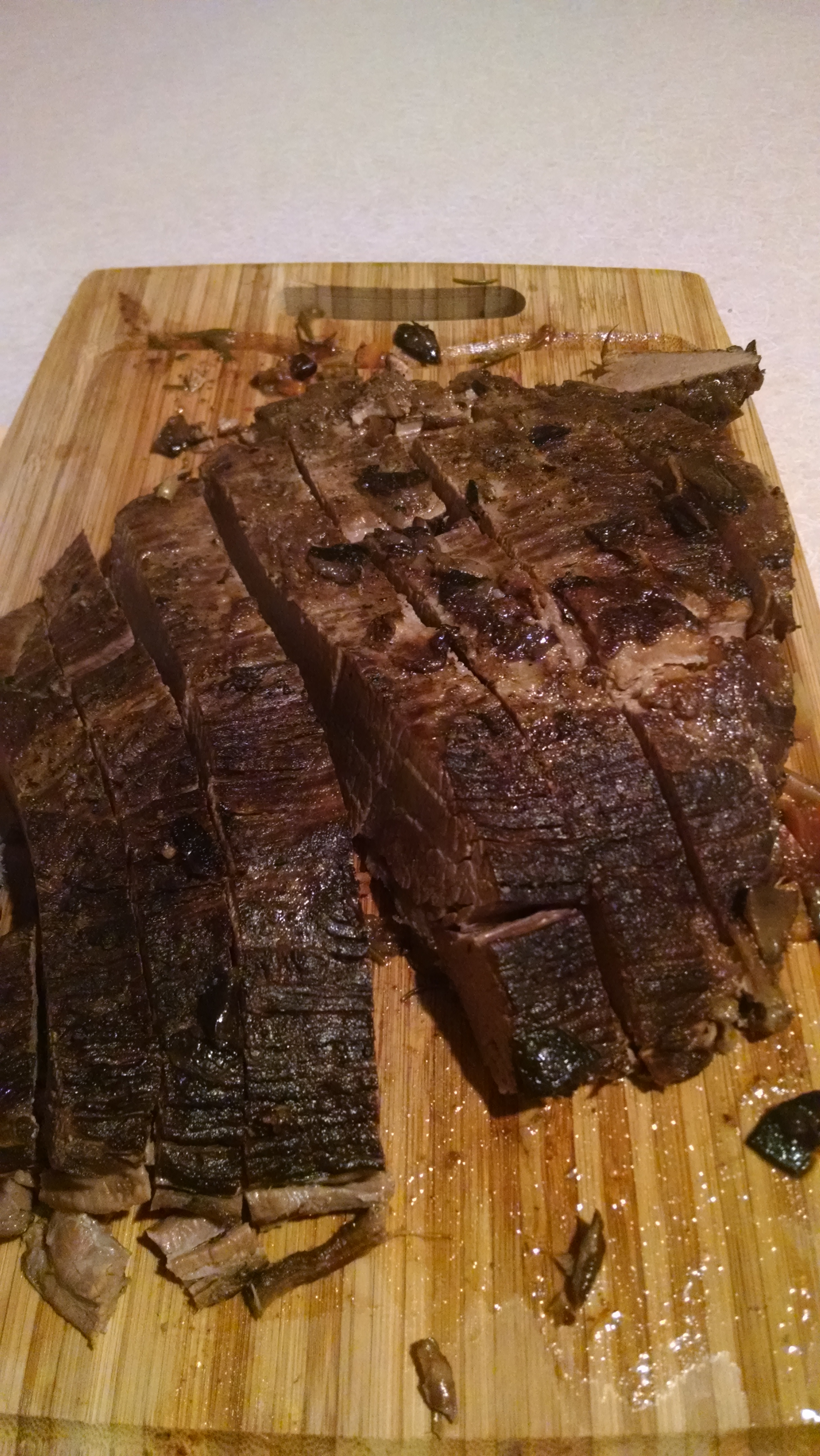
  11. Once cold, use a knife to slice off all the fat from the brisket. Then slice the brisket against the grain into ¼ inch slices. Place “in order” in a casserole dish fit for the oven. Add potatoes if there is room or put potatoes in separate casserole dish.
  12. If you think the brisket juices should be thicker, boil them down a bit on the stove. Then when cool, you can cover the meat and potatoes with the sauce.
  13. Refrigerate until ready to use.Day of:
  14. When you are ready to serve, you can heat up the brisket in one of two ways.
    1. Place potatoes and meat in casserole dishes and cover VERY well in heavy duty aluminum foil or double wrapped in regular foil, and bake on 350 for almost an hour until brisket and potatoes are well heated through. Place on serving platter, top with remaining juice and serve.
    2. Keep everything in the dutch oven you baked it in and heat on stove on medium low or in the oven at 350 for one hour.

IMG_20141221_163549608 IMG_20141221_163526792

IMG_20141225_131517254

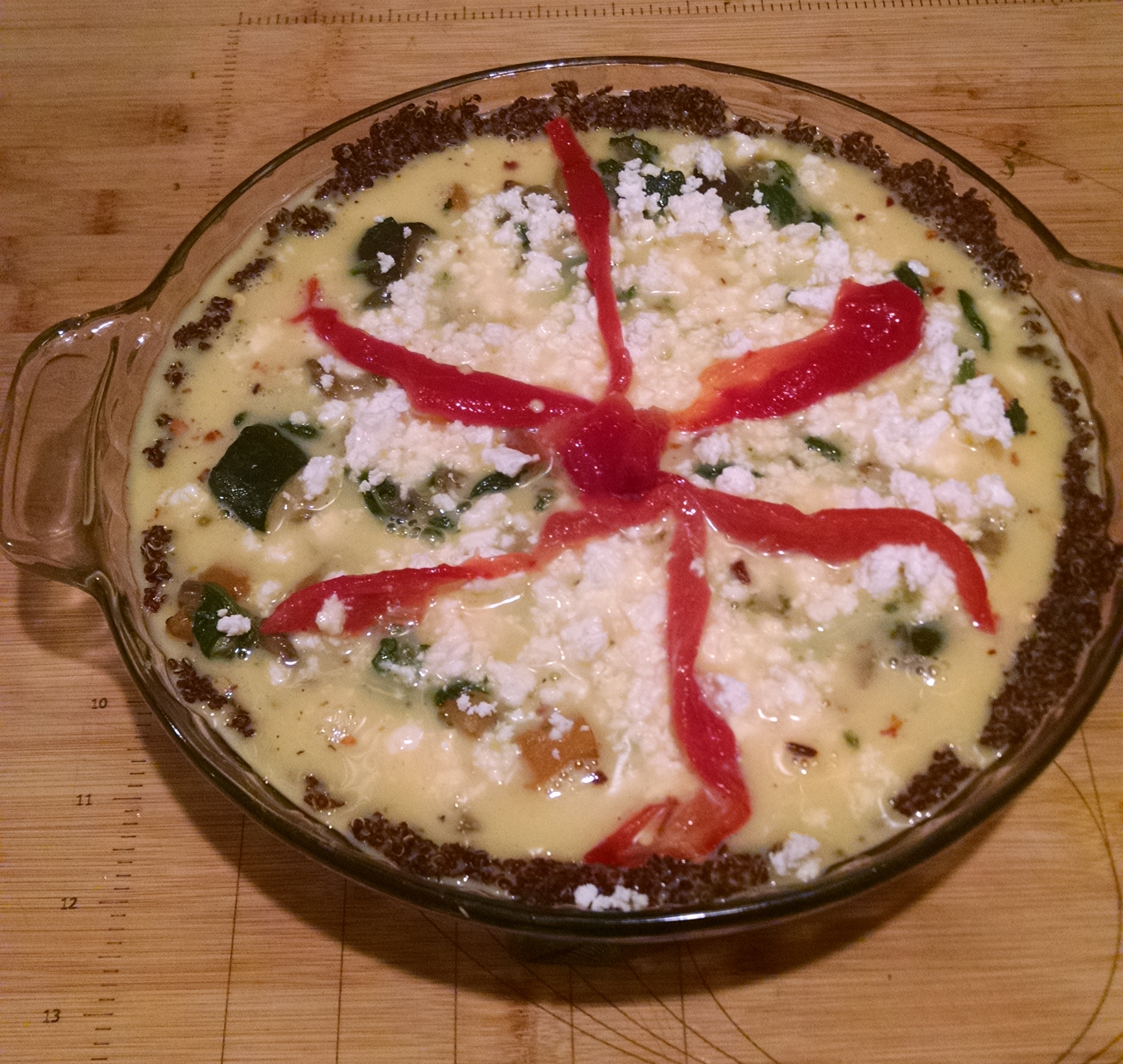
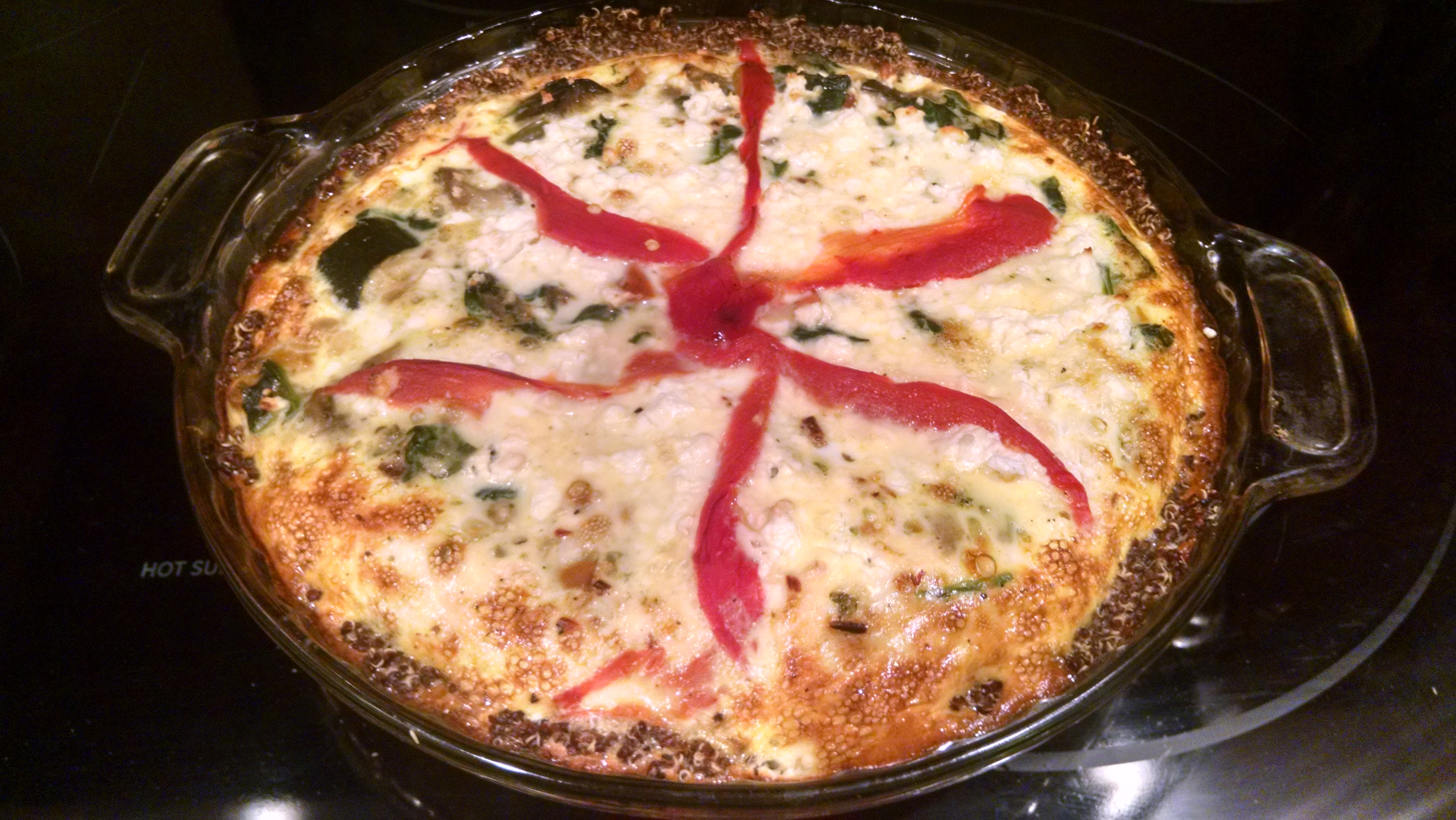
Spinach and Feta Quiche with Quinoa Crust

 Adapted by Lyn from Cooking Light Jackie Plant


We enjoy a good Quiche every once in a while and this one turned out great. Lyn grabbed some roasted vegetables and added to this but topping off with some freshly roasted red bell pepper to me was one of the best tastes to this make it again dish. Lyn likes her cauliflower cake better and someday I’ll be there when she makes it so I too .


CRUST:

  • 2 cups cooked quinoa, chilled – Lyn used red quinoa thought it would look better
  • 1/8 teaspoon freshly ground black pepper
  • large egg, beaten
  • Cooking spray

FILLING:

  • teaspoon canola oil
  • 1/2   onion, thinly sliced
  • (5-ounce) bag baby spinach
  • 1/2 cup 1% low-fat milk
  • 1/2 teaspoon kosher salt
  • 1/4 teaspoon freshly ground black pepper
  • 1/4 teaspoon crushed red pepper
  • 4   large eggs
  • large egg whites
  • 1.5 ounces feta cheese, crumbled
  • Some chopped leftover oven roasted vegetable

IMG_20141207_162258623

How:

1. For the crust, preheat oven to 375°.

2. Combine quinoa, pepper, and egg in a bowl, stirring well. Press mixture into bottom and up sides of a 9-inch pie plate coated with cooking spray. Bake at 375° for 20 minutes; cool.

3. For the filling, heat a nonstick skillet over medium heat. Add oil and onion; sauté 3 minutes. Add spinach; sauté 3 minutes. Remove from heat; cool.

4. Combine milk and next 5 ingredients in a bowl; stir with a whisk. Arrange spinach mixture in crust; pour egg mixture over spinach. Sprinkle with feta. Bake at 375° for 35 minutes. Let stand 5 minutes; cut into 4 wedges.


IMG_20141207_165942330_HDR

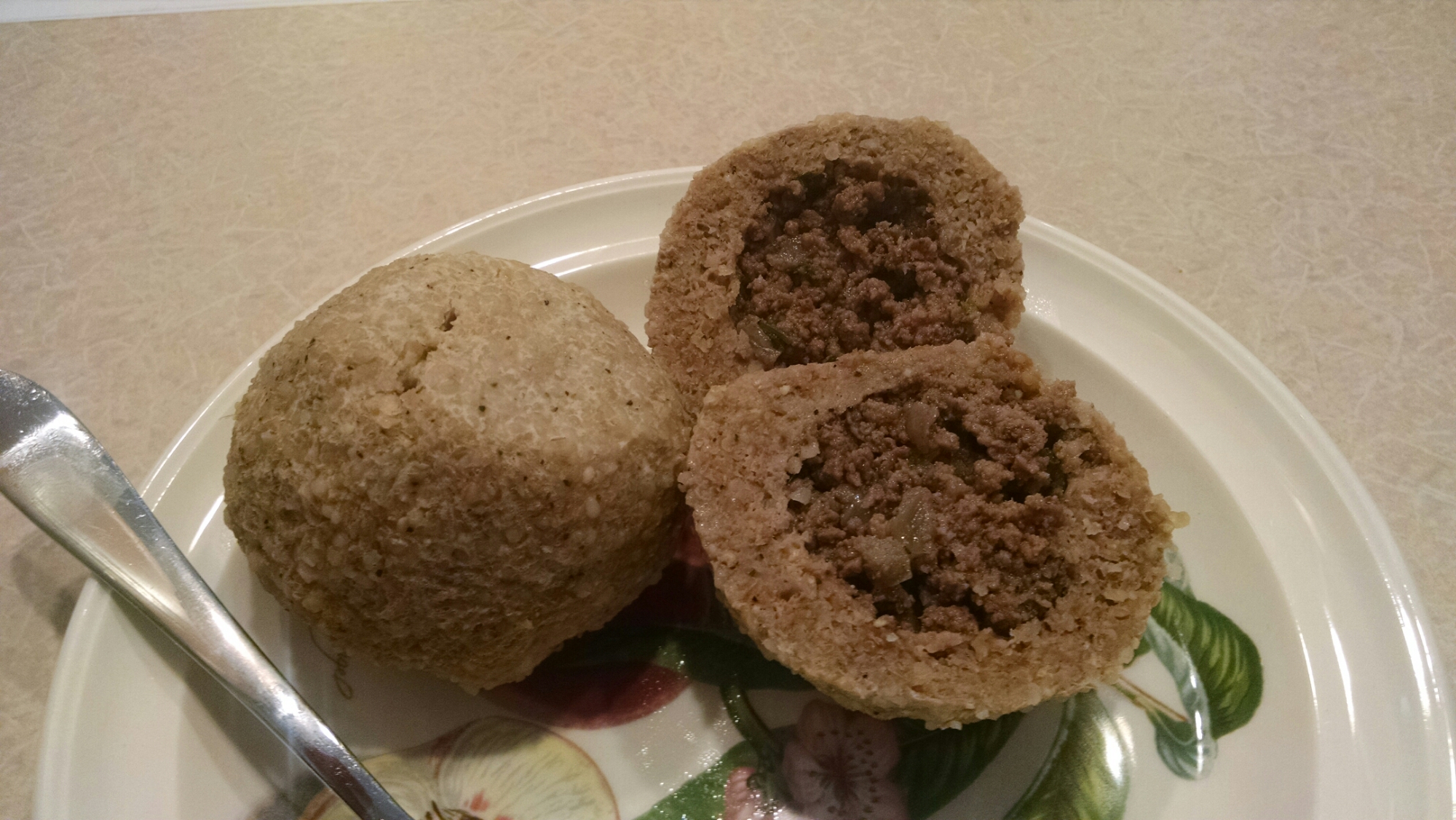
Armenian Kufta – Stuffed Meatballs

image

Richard gave me some of these frozen. I cooked them up simmering in chicken broth for about 20 minutes. These are great remind me of knish in a way. I am definitely going to make some of my own and soon. I think would be great in a tomato base broth. Thanks Richard.

Butternut Squash & Barley Risotto Balls

We are always looking for something new to try and this worked out very. Maybe next time I will add a pinch or so of red pepper flakes to give it a little spice.

I served these on a bed of Lyn’s red pasta sauce with a drizzle across the top and then a sprinkle of grated cheese. YUM.


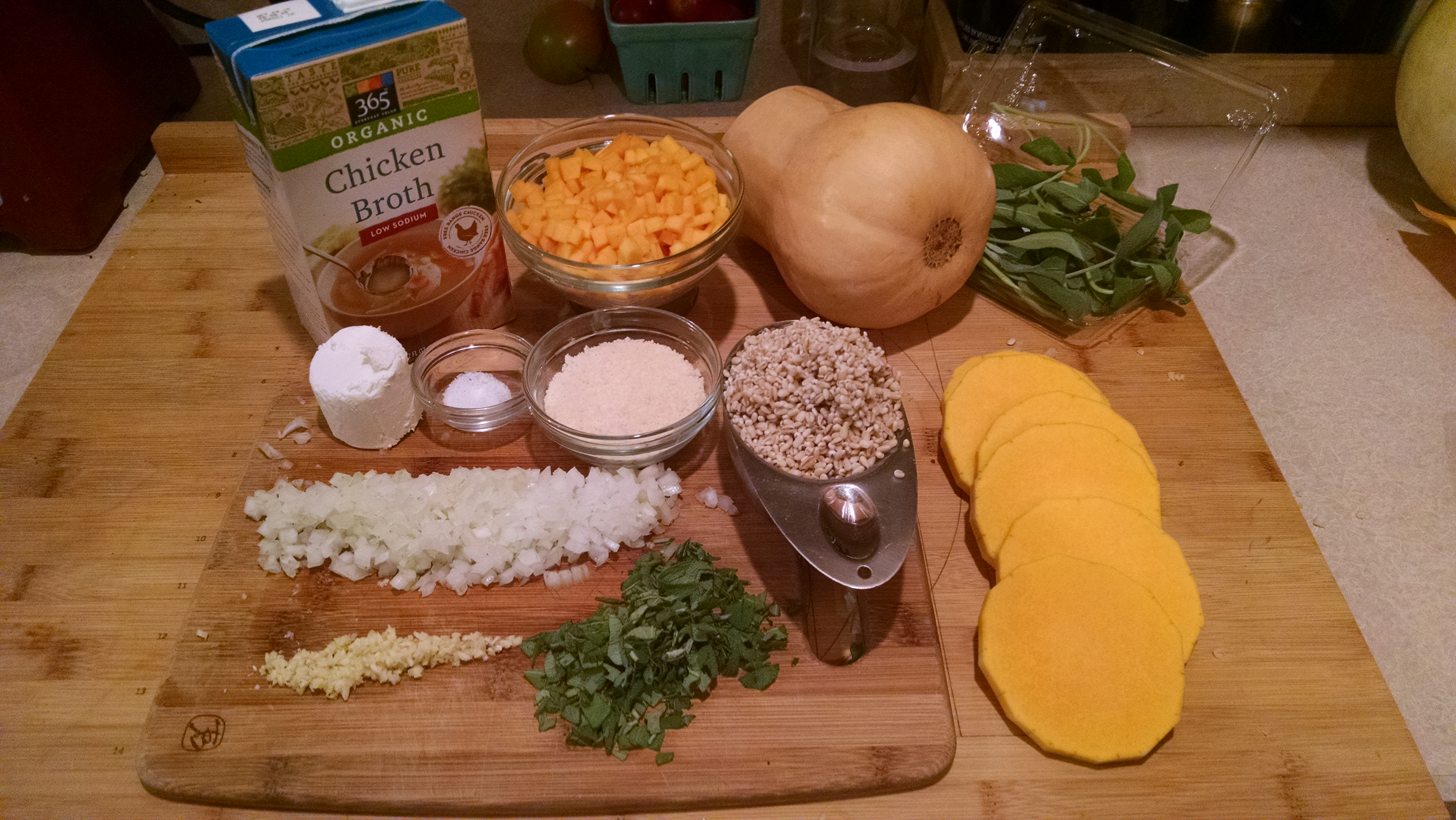
Butternut Squash & Barley Risotto Balls by TRobinson – Source: Clean Eating

Ingredients

IMG_20140928_074835351IMG_20140928_081419005

  • 1 tbsp olive oil
  • 1/2 yellow onion, diced
  • 1 clove garlic, minced
  • 1 tbsp chopped fresh sage leaves
  • 4 cups low-sodium chicken broth
  • 1 cup pot barley, rinsed (NOTE: Hulled barley works equally well in this recipe.  You’ll need to adjust the cooking time as directed in Step One.)
  • 1 cup peeled and cubed butternut squash (1/4-inch cubes)
  • 1/4 cup soft goat cheese
  • 1/2 tsp sea salt
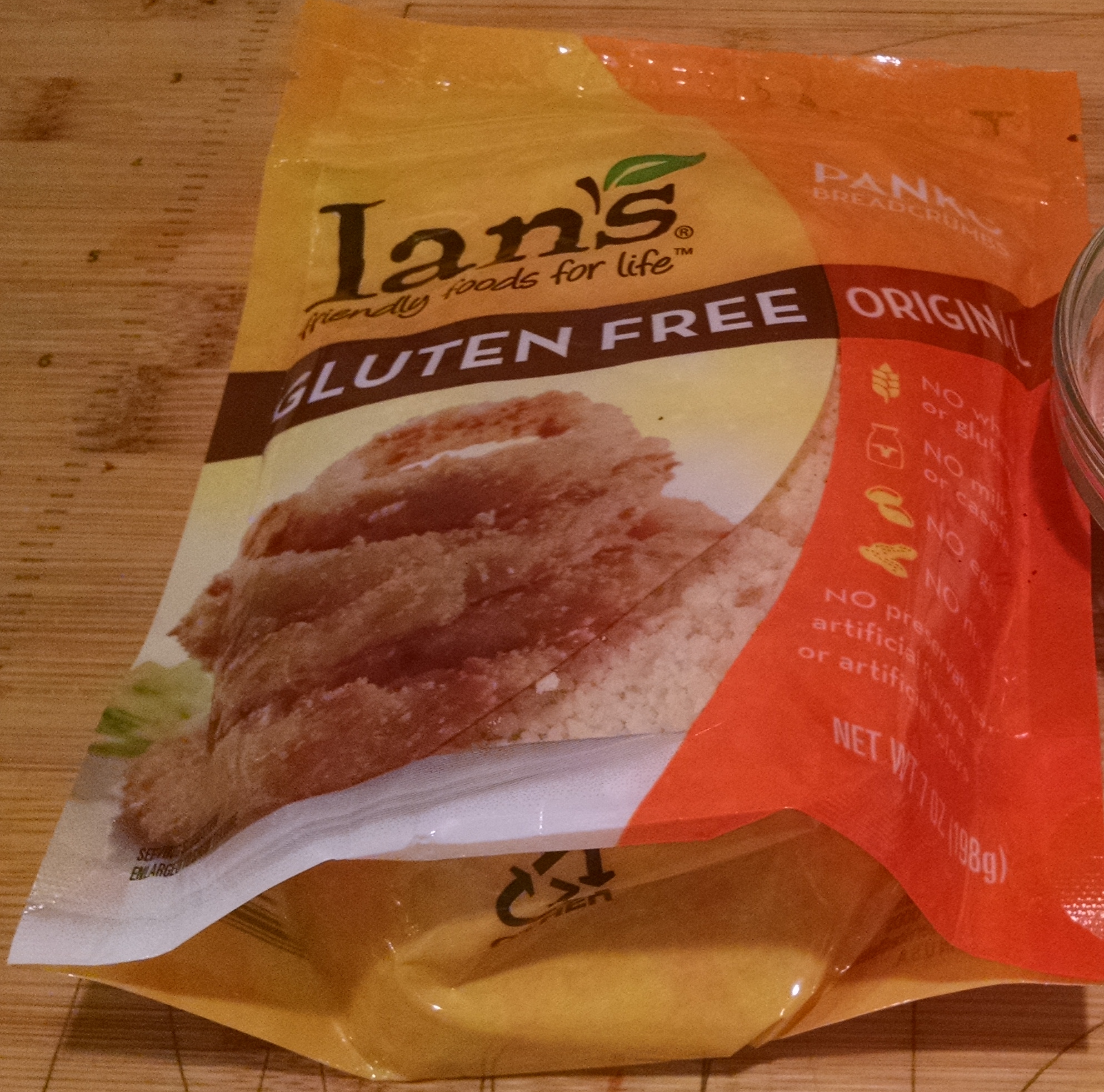
  • 1 cup whole-grain panko bread crumbs (of 3/4 cup whole-grain regular bread crumbs)
  • 1/4 cup grated Parmesan cheese
  • Olive oil cooking spray

Instructions

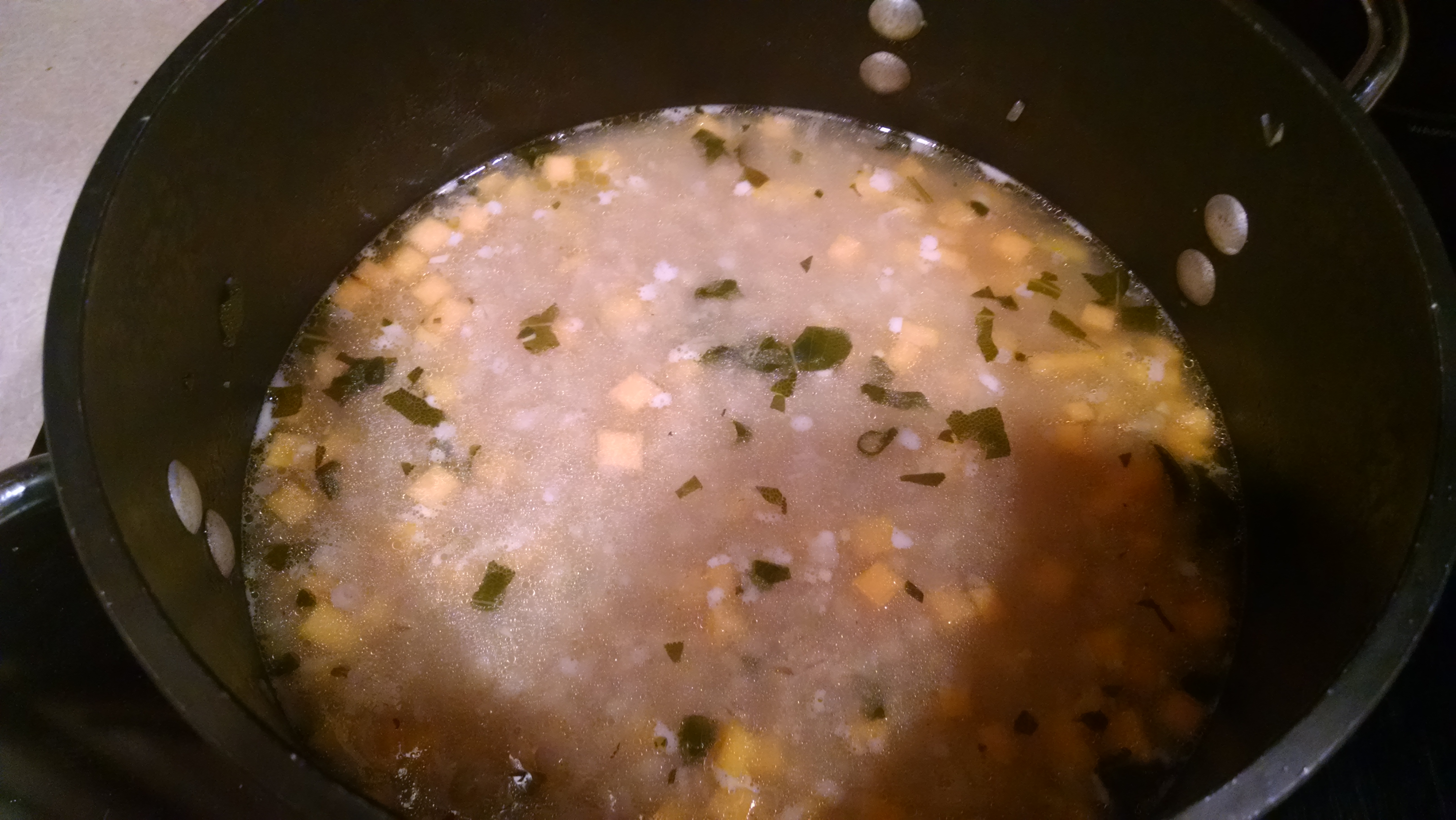
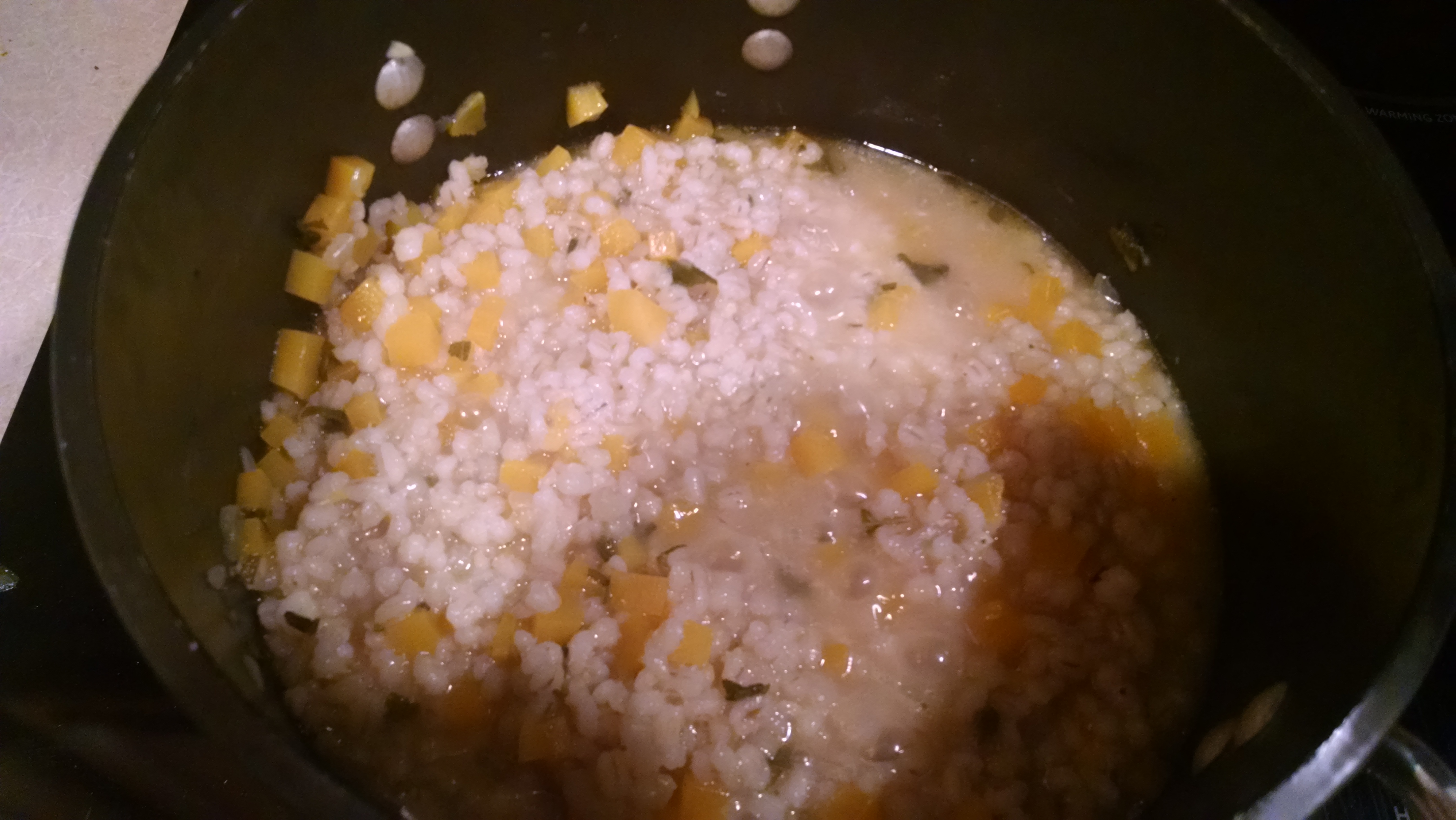
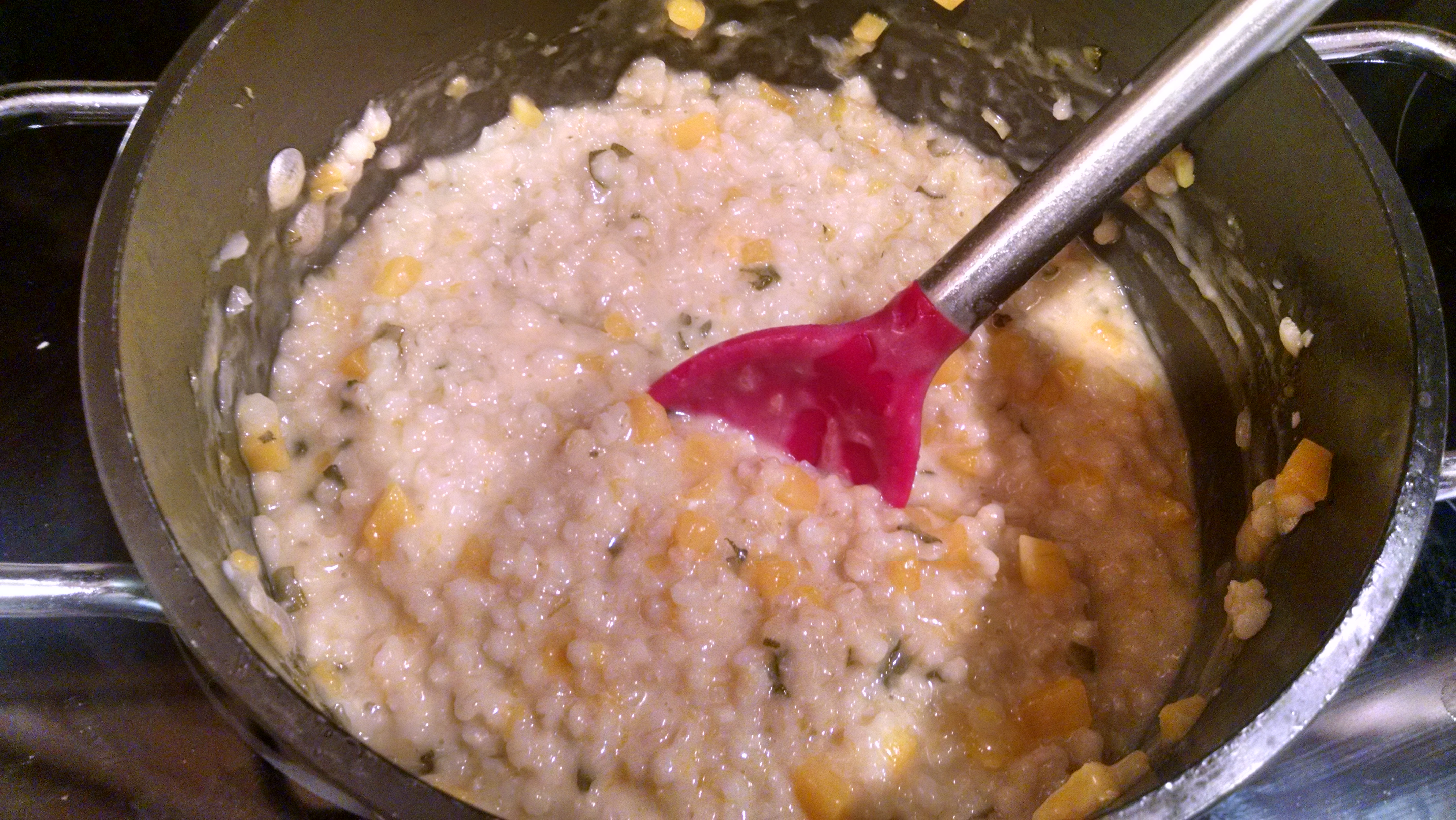
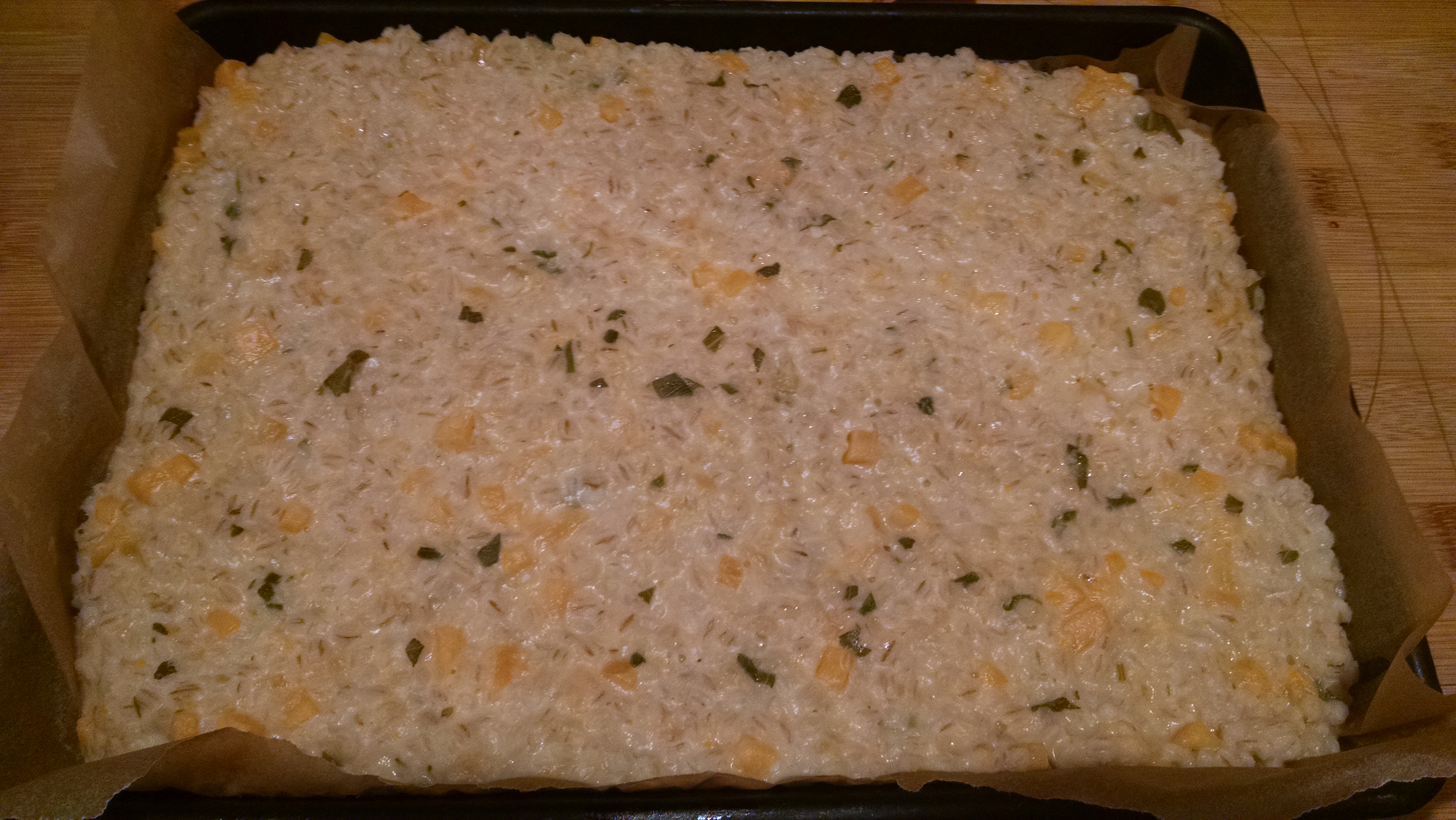
In a medium pot on medium-high, heat oil. Add onion, garlic and sage. Cook, stirring frequently, for about 2 minutes, until onions are translucent. Add broth and barley. Bring to a boil, then reduce heat to low, cover and simmer for 25 minutes. (NOTE: If you are using hulled barley, cook for an additional 20 to 40 minutes to further soften grains. Add squash and return to a simmer, cover and cook until tender and all liquid is absorbed, about 20 minutes more. Mix in goat cheese and salt.

IMG_20140928_082355947IMG_20140928_090112372IMG_20140928_090710480_HDR

Transfer to shallow dish, cover loosely and refrigerate until completely chilled, about 4 hours or overnight.

IMG_20140928_153434761

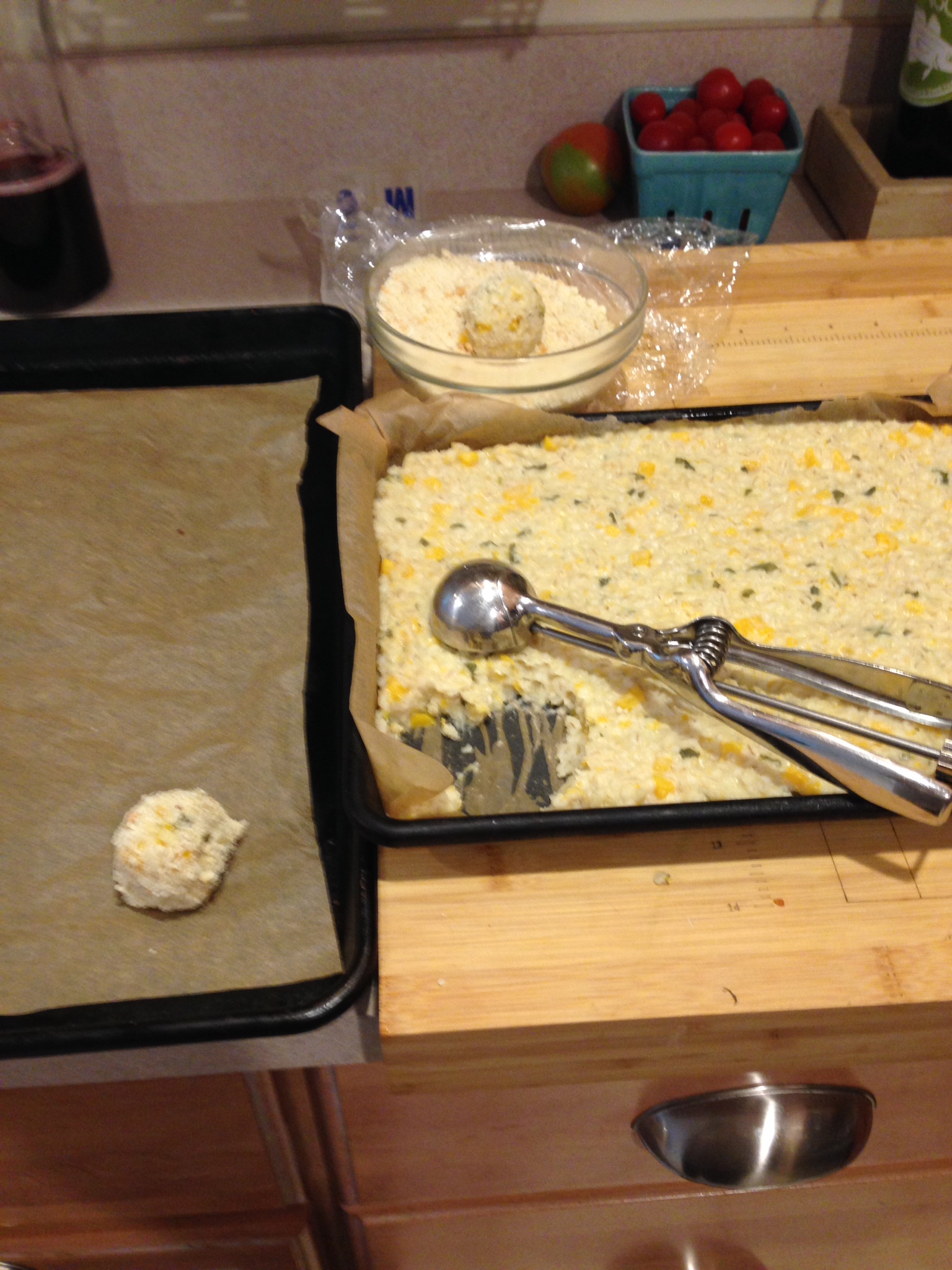
Preheat oven to 400. Form barley mixture into 1-to 2-inch balls, making about 24 balls in total. In a small bowl, combine panko and Parmesan. Roll each ball into mixture then transfer to a large, parchment-lined baking sheet.

make balls

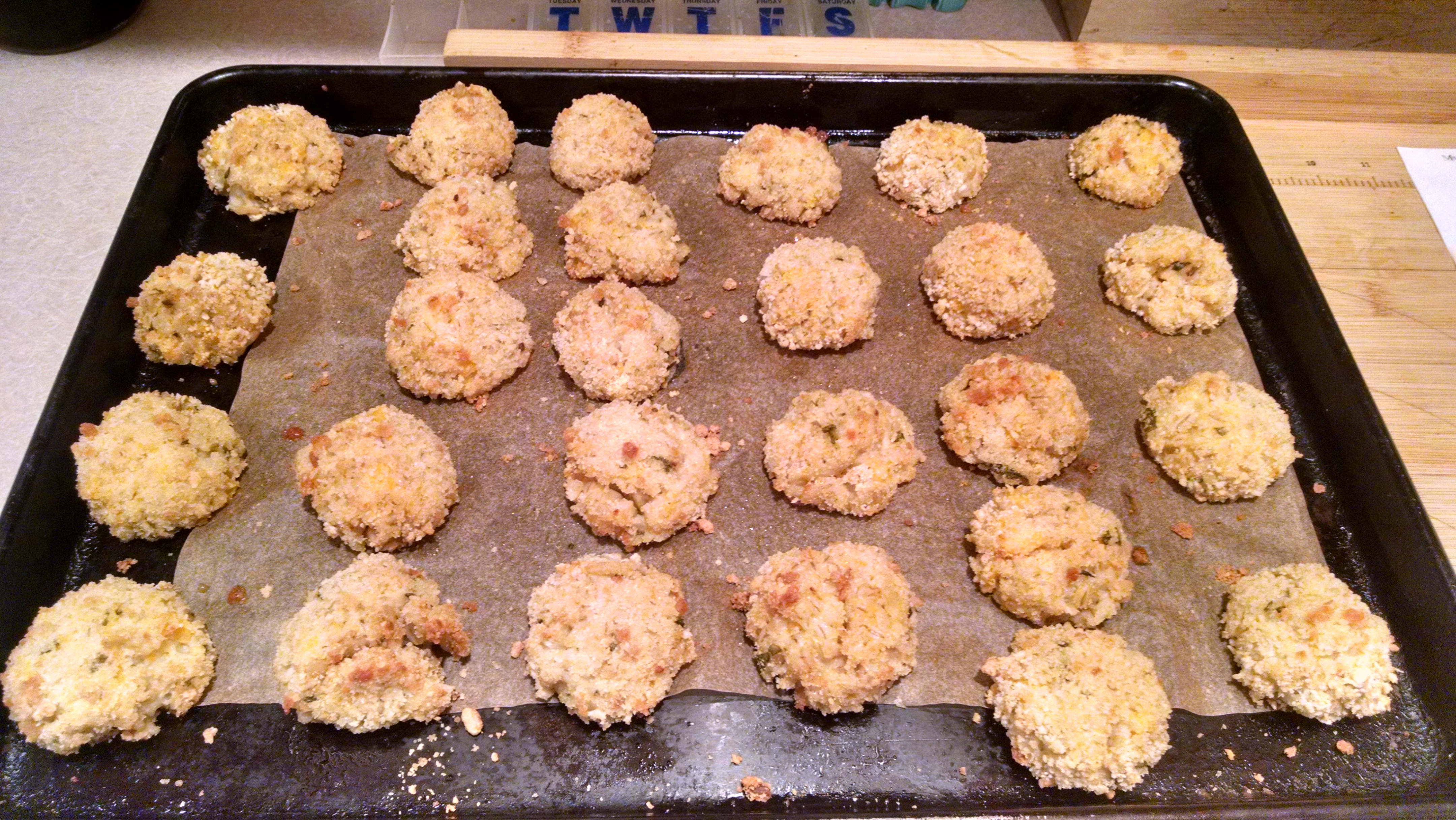
Mist with cooking spray and bake for 25 to 30 minutes or until crisp on the outside and heated through.

IMG_20140929_153243937_HDR

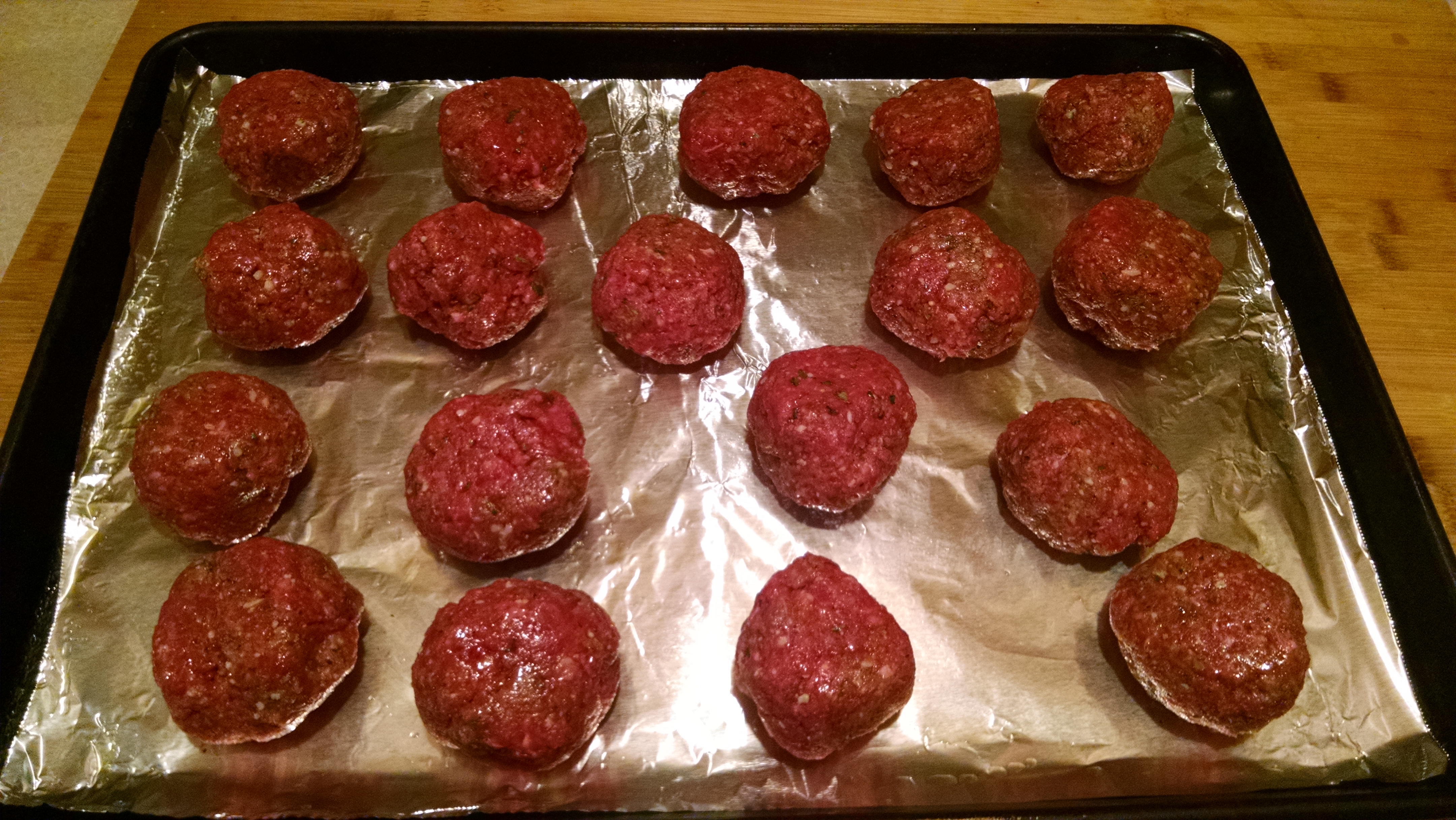
Hey as long as I was making balls why not mix up a quick batch of Meatballs

IMG_20140928_155647369


Grilled Vegetable Quinoa Salad – Cooking Quinoa

http://www.cookingquinoa.net/grilled-vegetable-quinoa-salad/