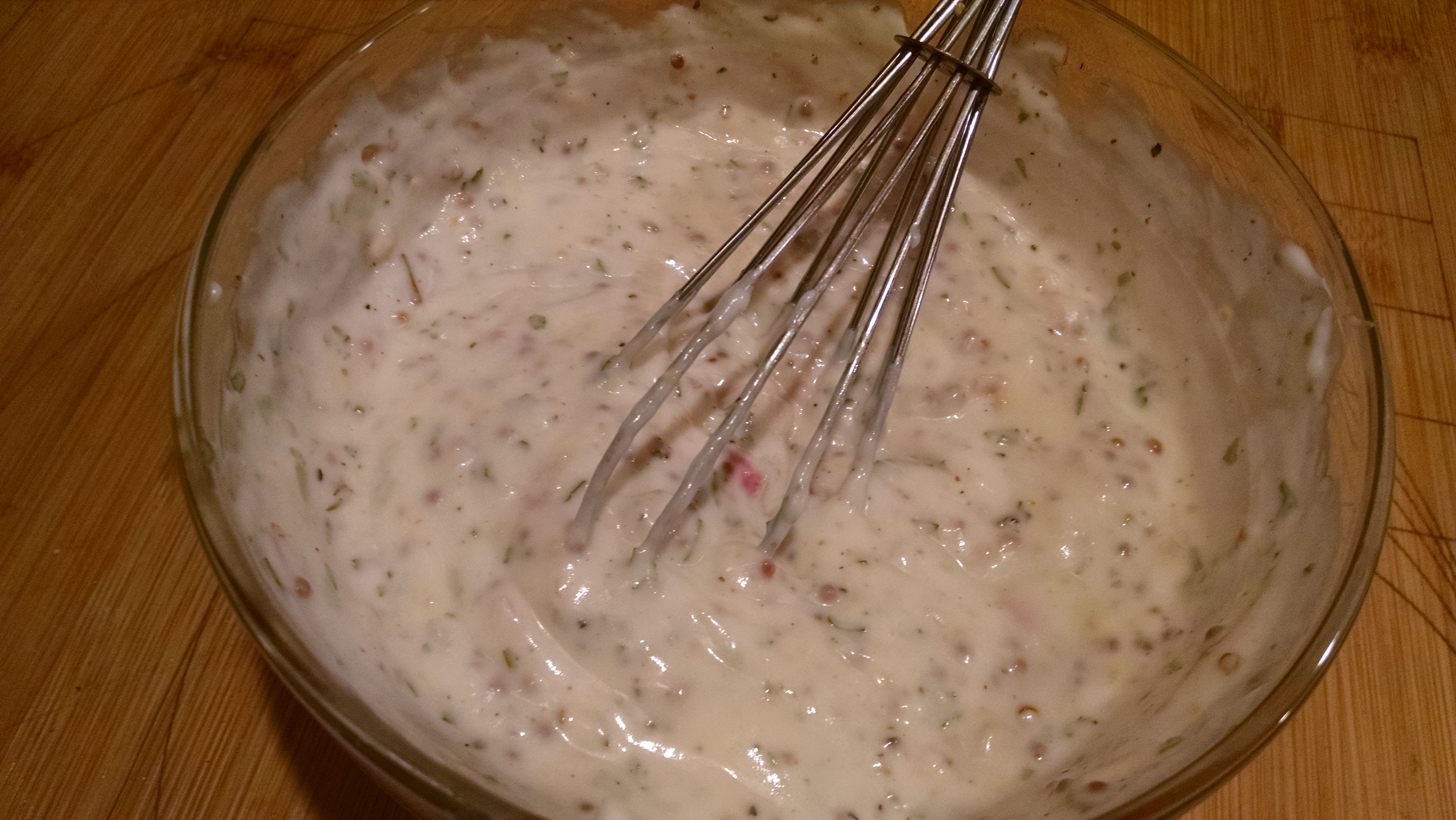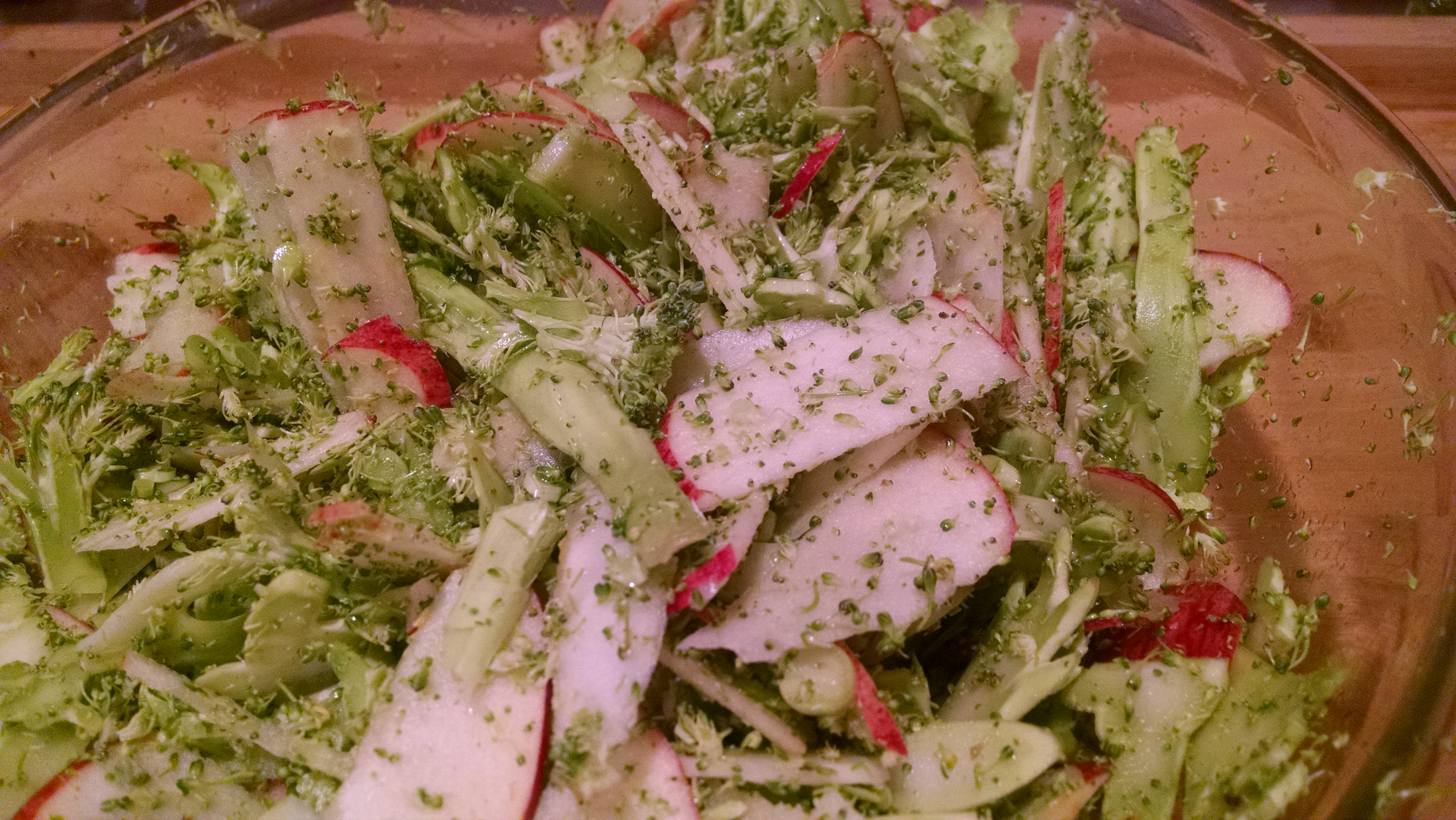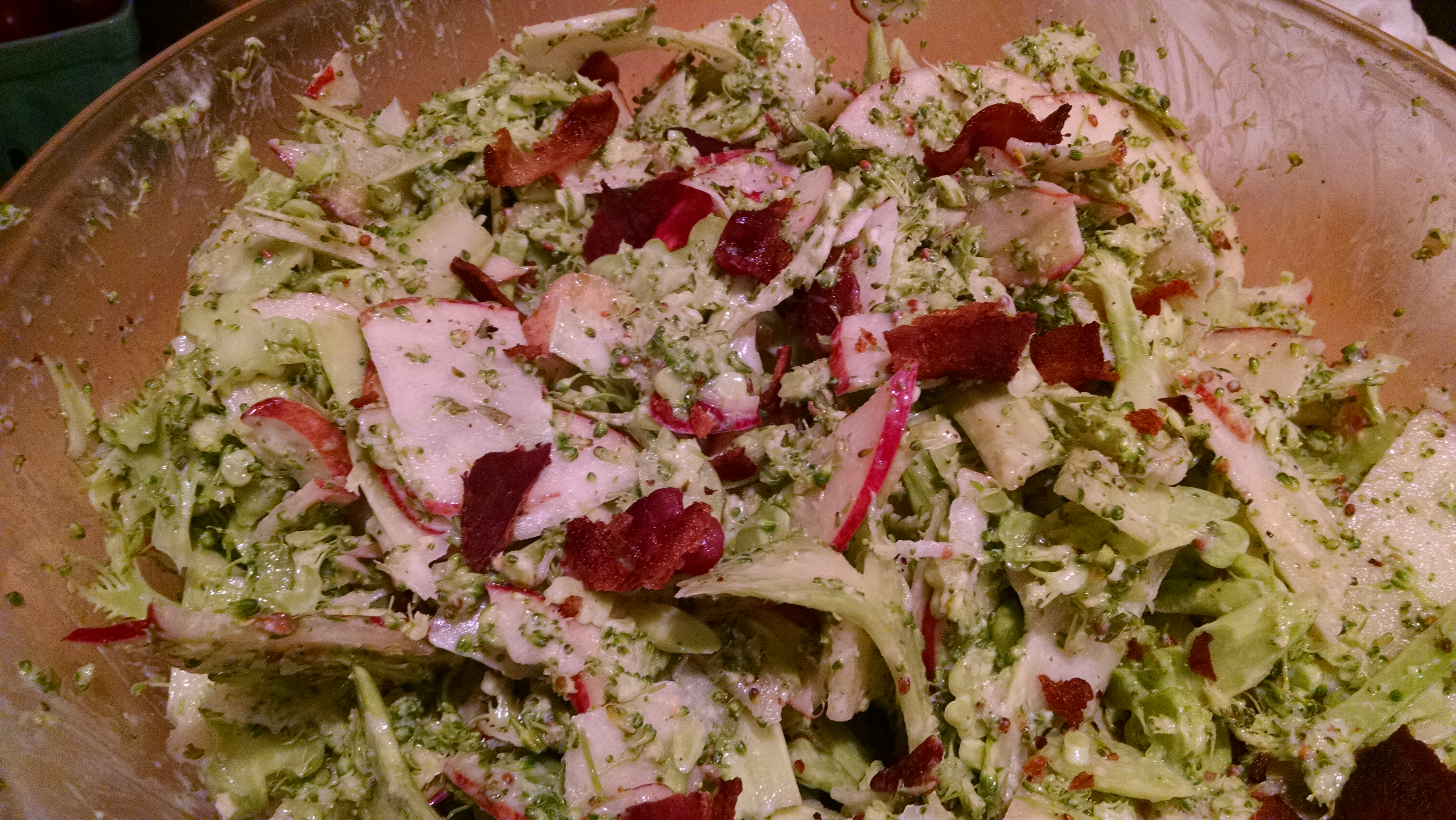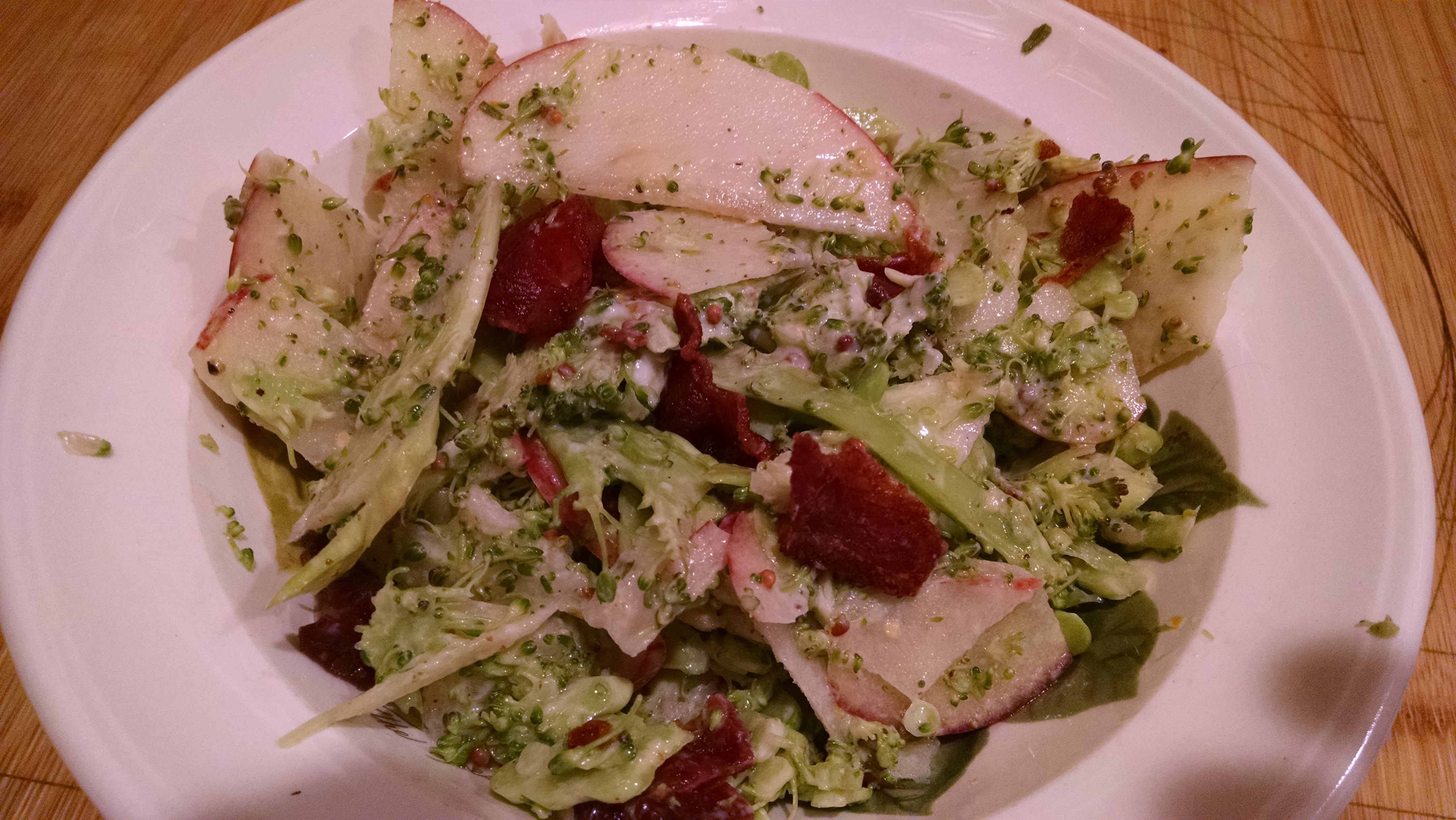
Dressing
- 1/3 cup peanut oil
- 2 Tbsp fish sauce
- 1 tsp crushed chili
- Juice of one lime
- 2 tsp superfine sugar.
Dressing
Another vacation past and enjoyed the escape. On one segment of the trip we went to the Strawberry Banke, during our 2 day visit to the Portsmouth area we found that all roads lead to this place I had never heard about it but was on Lyn’s bucket list. One of the things we both enjoy is going to a cooking class at the Stonewall Kitchens in York Maine this time they had a “This is gluten free? class. Enjoyed the personable touch of Chef Patty Roche and shared that neither of us enjoy the art of baking…too measured I said and we both nodded in full agreement. There were a few things for this class will mention stonewall kitchen in each title. This is more for me than anyone.
Fantastic, flavorful dishes that just happen to be gluten free.
Ingredients
Dressing
How
Soak vermicelli – use package directions, drain and chop into shorter lengths
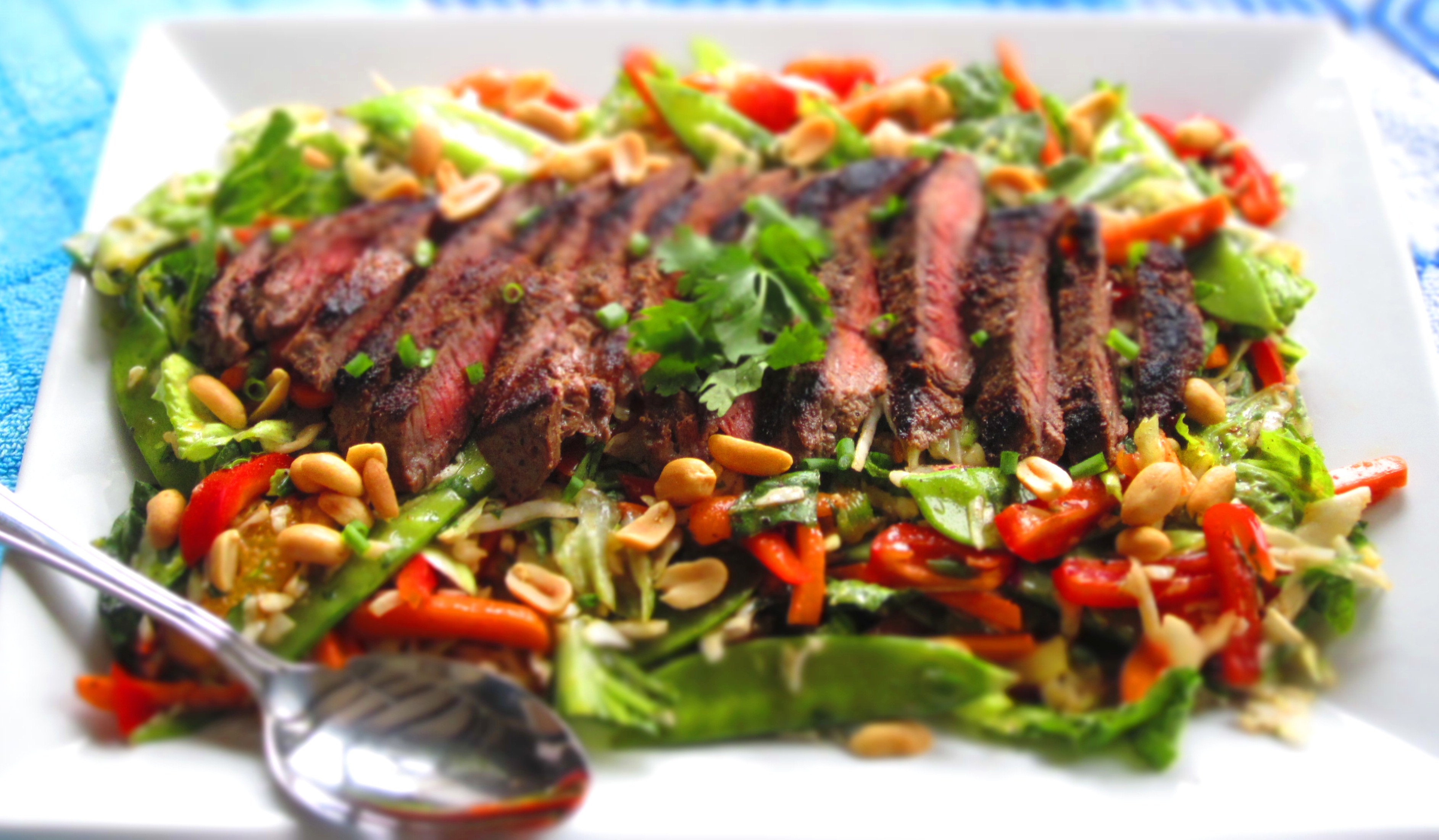
Brush steak with sesame oil and charbroil or pan fry over high heat until cooked to your liking. Rest steak for 10 minutes and slice thinly
Combine all the dressing ingredients, stirring to dissolve sugar, Pur the dessing over the saled , tos to coat and serve at room temperature.
Strawbery Banke Museum, in the heart of historic downtown Portsmouth, New Hampshire, is an authentic 10-acre outdoor history museum, listed on the National Register of Historic Places and dedicated to bringing 300+ years of American history to life.
Strawbery Banke is a place to learn about architecture, heritage plants and foodways, traditional crafts and the tools, clothing and collections people used for everyday life in the 1600s, 1700s, 1800s and up through 1954 when the site was saved from urban renewal.
The Museum is a place for children, adults, multigenerational families and groups to gather to explore heritage gardens, historic buildings and crafts, preservation programs, hands-on activities, the stories told by costumed role-players,traditional crafts and the changing exhibits that offer hours of fun and discovery. The Museum’s restored buildings and open space invite visitors to immerse themselves in the past.
Strawbery Banke is a sustainable place that preserves and enlivens three centuries of war and peace in the same New England waterfront neighborhood. Each year the Museum welcomes 75,000 visitors, members, schoolchildren and volunteers who love New Hampshire history for daily programs, exhibits and signature special events from May through December.
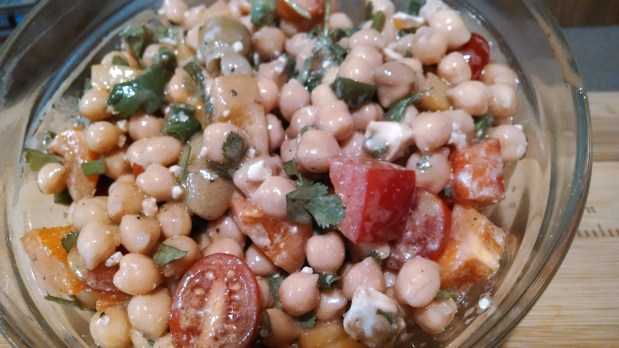
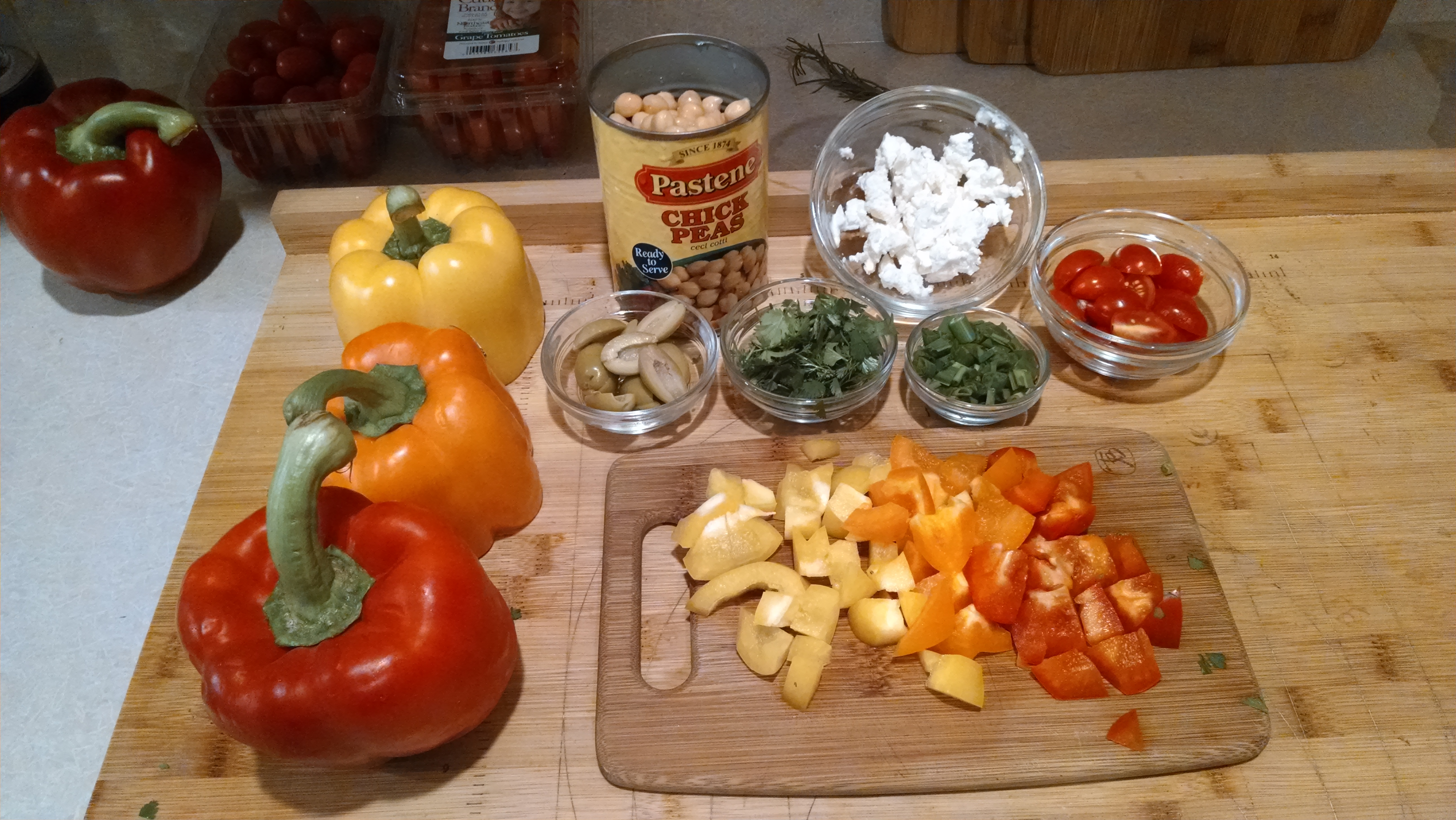
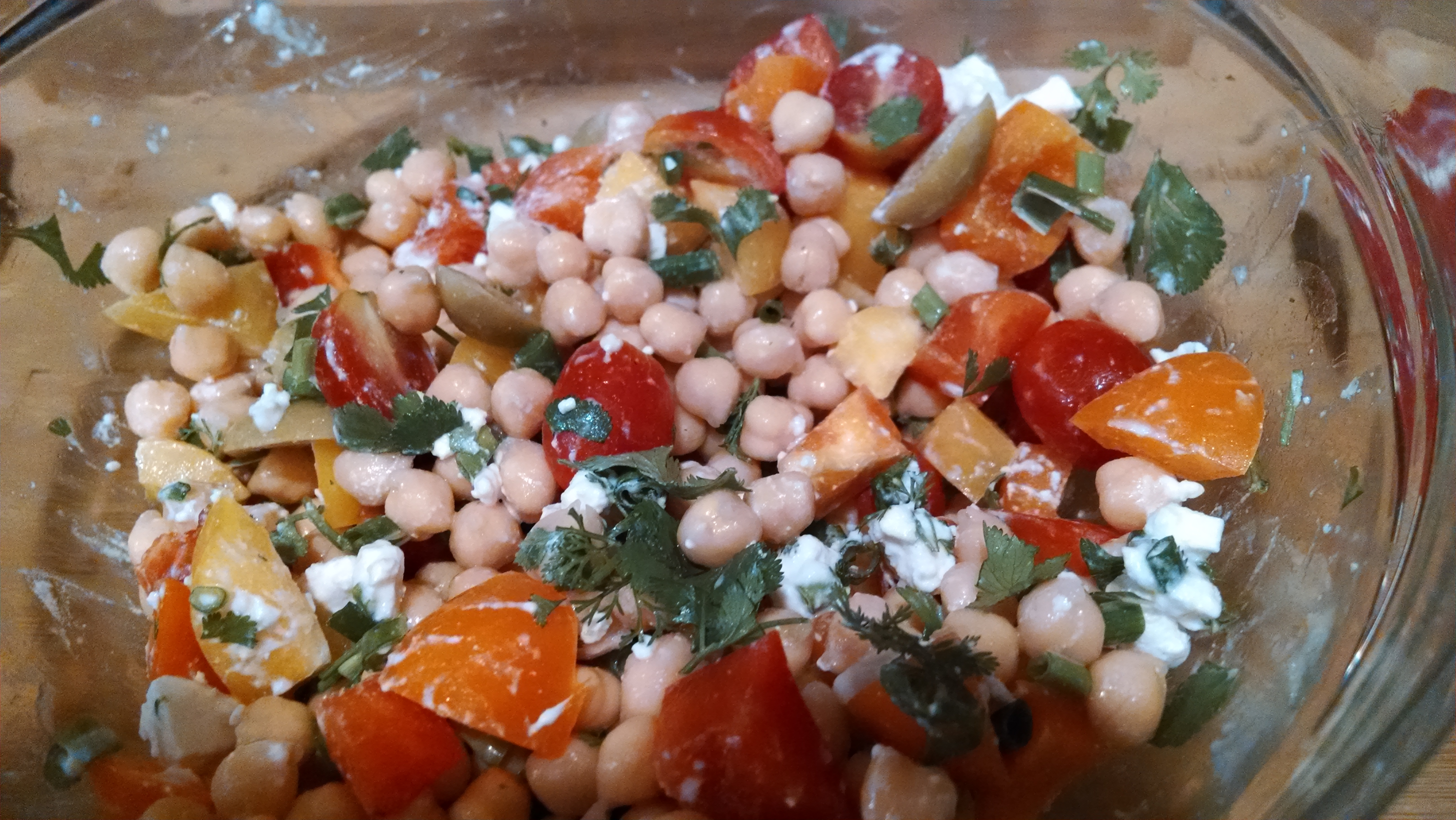
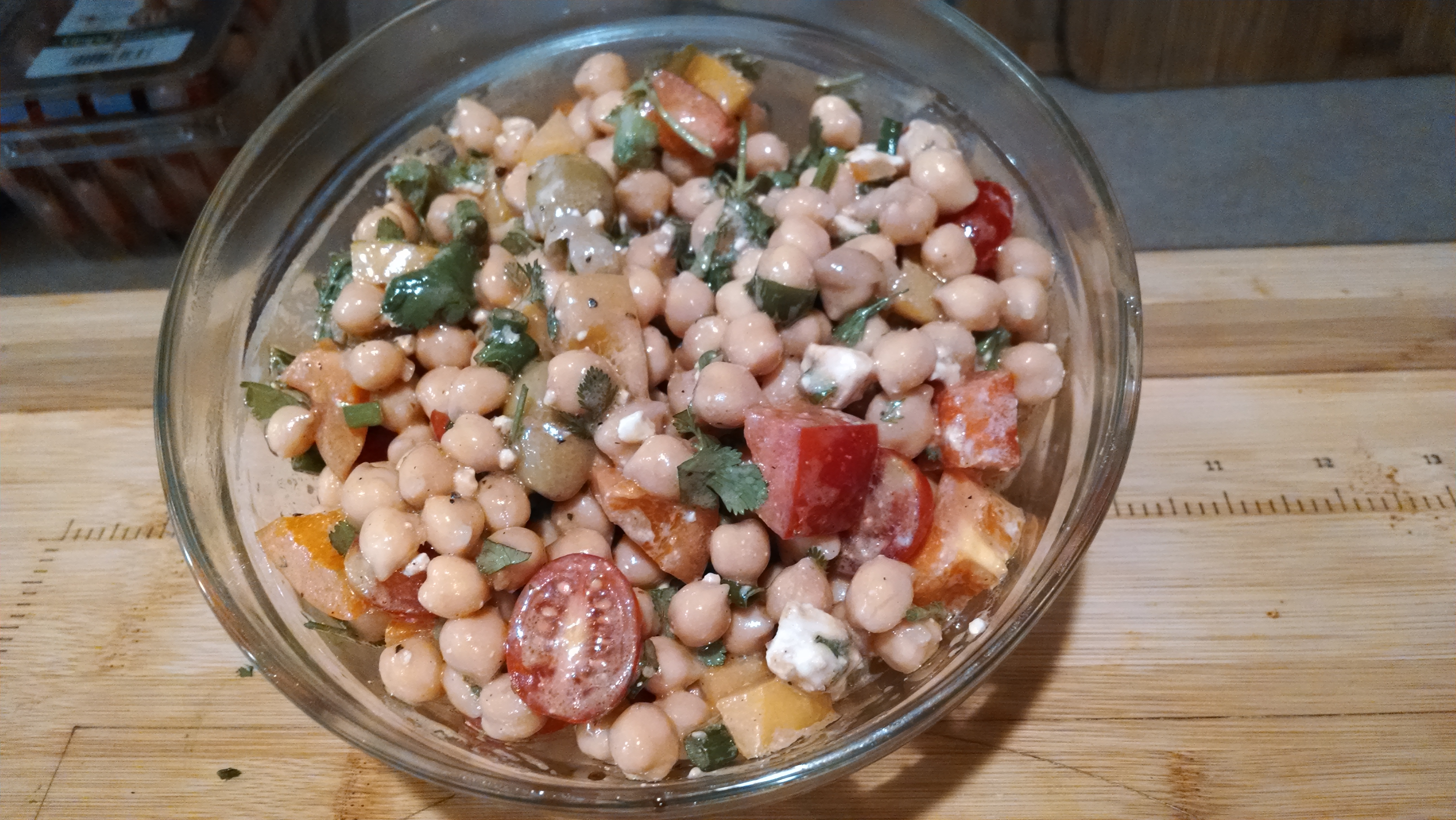
There are only two of us to I cut the recipe in half and if you know me you know I love that 18 year old balsamic vinegar. All I can say is Yum as a meal or side dish
Yield: 4 main dish servings (6 as a side)
Prep Time: 20 min
SALAD:
DRESSING:
1. In a large bowl, toss together the salad ingredients. In a separate bowl, whisk together the dressing ingredients. Drizzle the dressing over the salad and toss. Transfer to a serving bowl and drizzle juices on top. Refrigerate until ready to serve.
Tips:
*Use good quality canned chickpeas for this recipe (not generic). I really think it makes a difference in the flavor of the salad.
*If you are preparing this recipe as gluten-free, be sure to use a brand of chickpeas that is known to be GF.
Source: RecipeGirl.com (adapted from The New York Times)
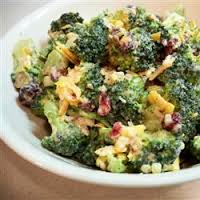
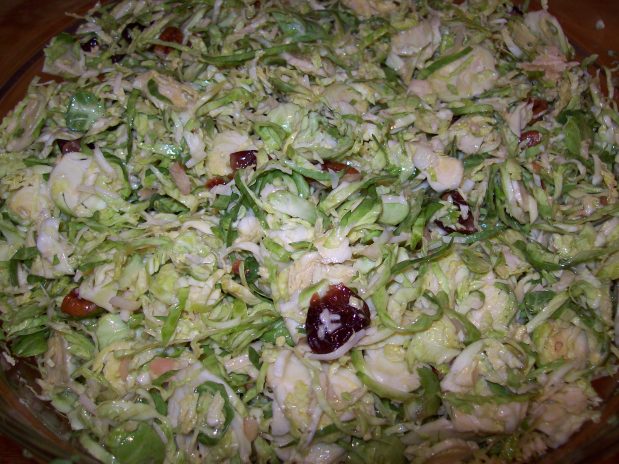
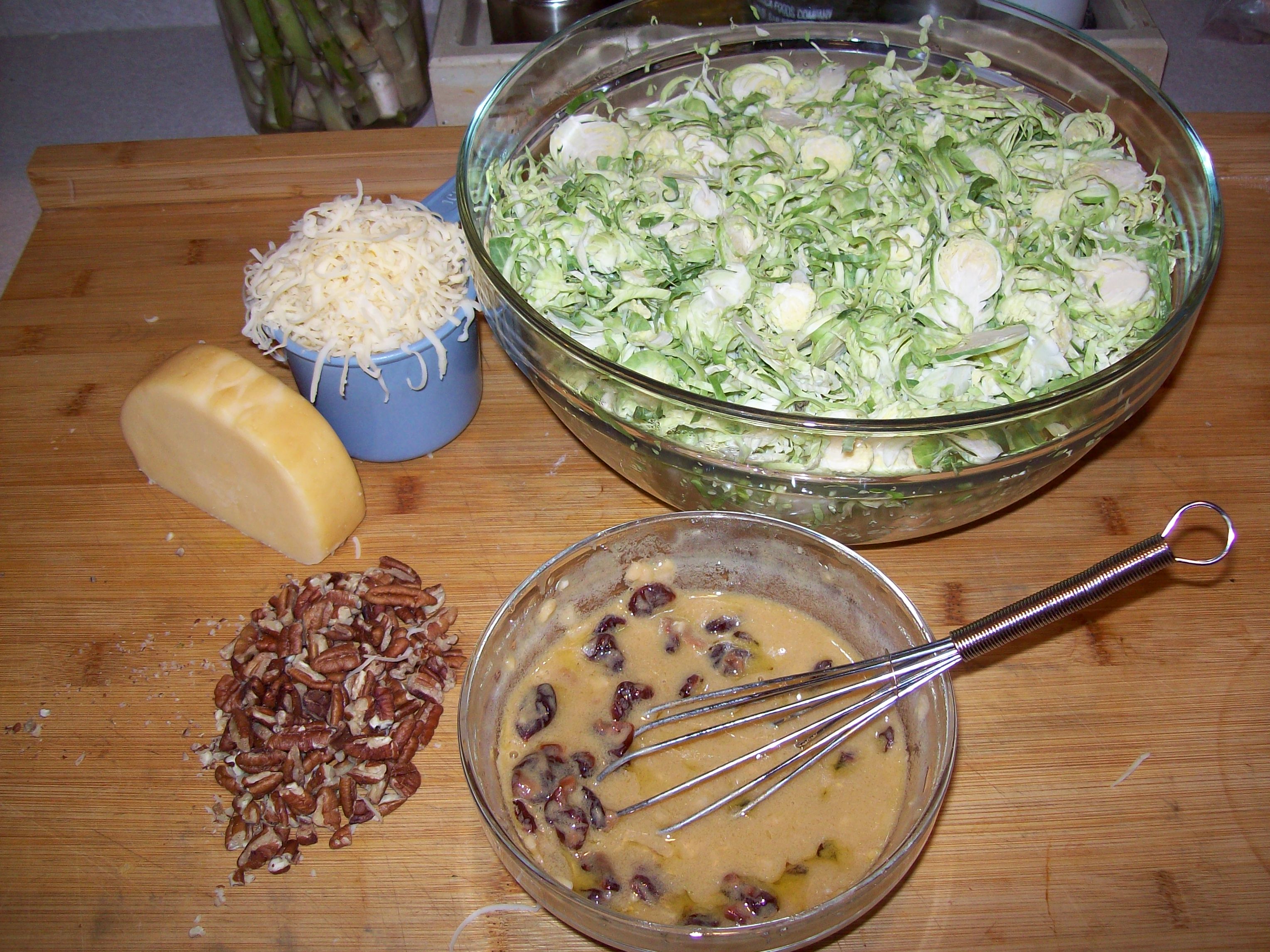
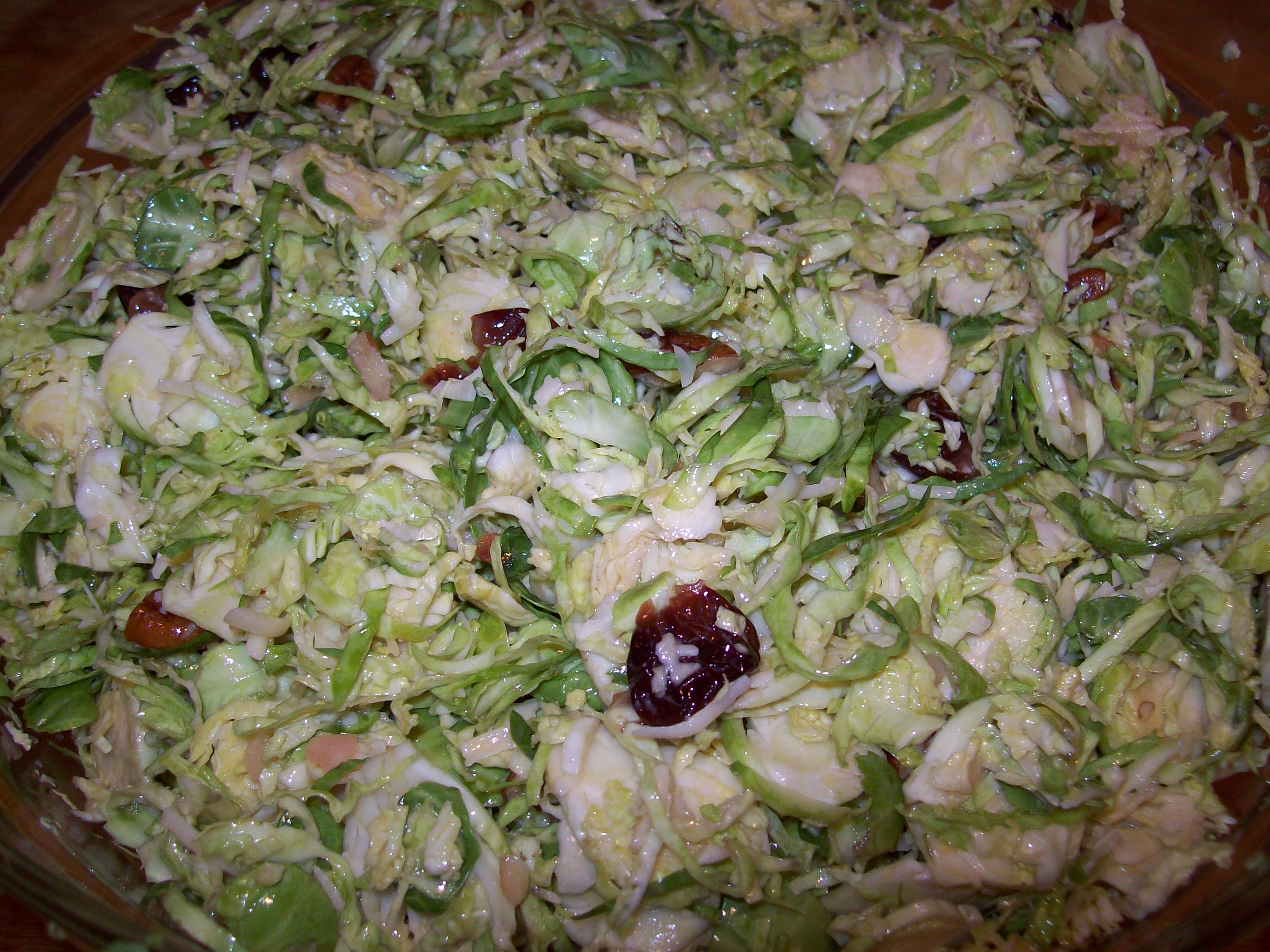
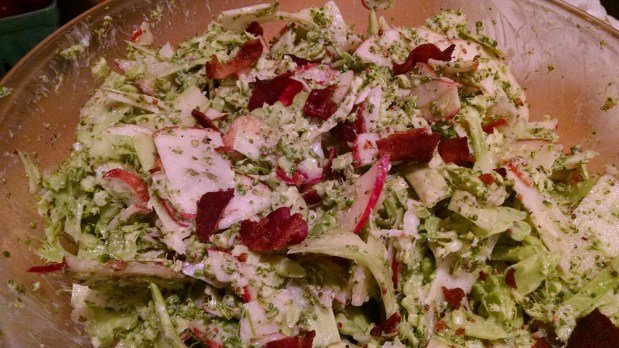
A normal thanksgiving a day recipe for us is Crispy Brussels Sprouts but this year Lyn showed me a recipe that looked pretty good and was receive well at the table.
Serves 8
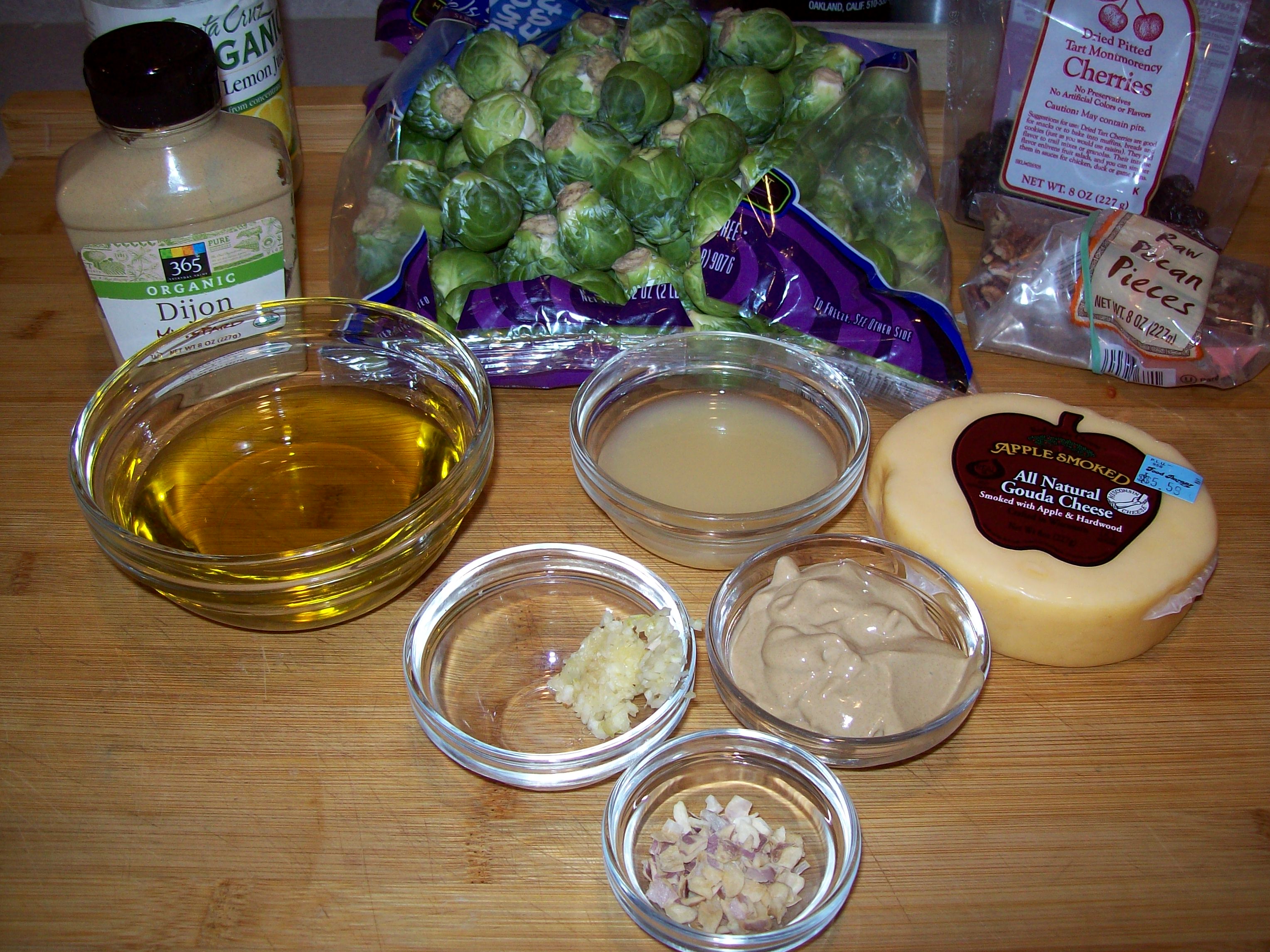
Ingredients
How
Whisk lemon juice, mustard, shallot, garlic and ½ teaspoon salt together in large bowl. Slowly whisk in oil until incorporated. Toss Brussels sprouts with vinaigrette, and let sit for at least 30 minutes or up to 2 hours. Fold in Gouda, pecans, and cherries. Season with salt and pepper to taste.
Related
Crispy Brussels Sprouts (Stevesacooking.com)
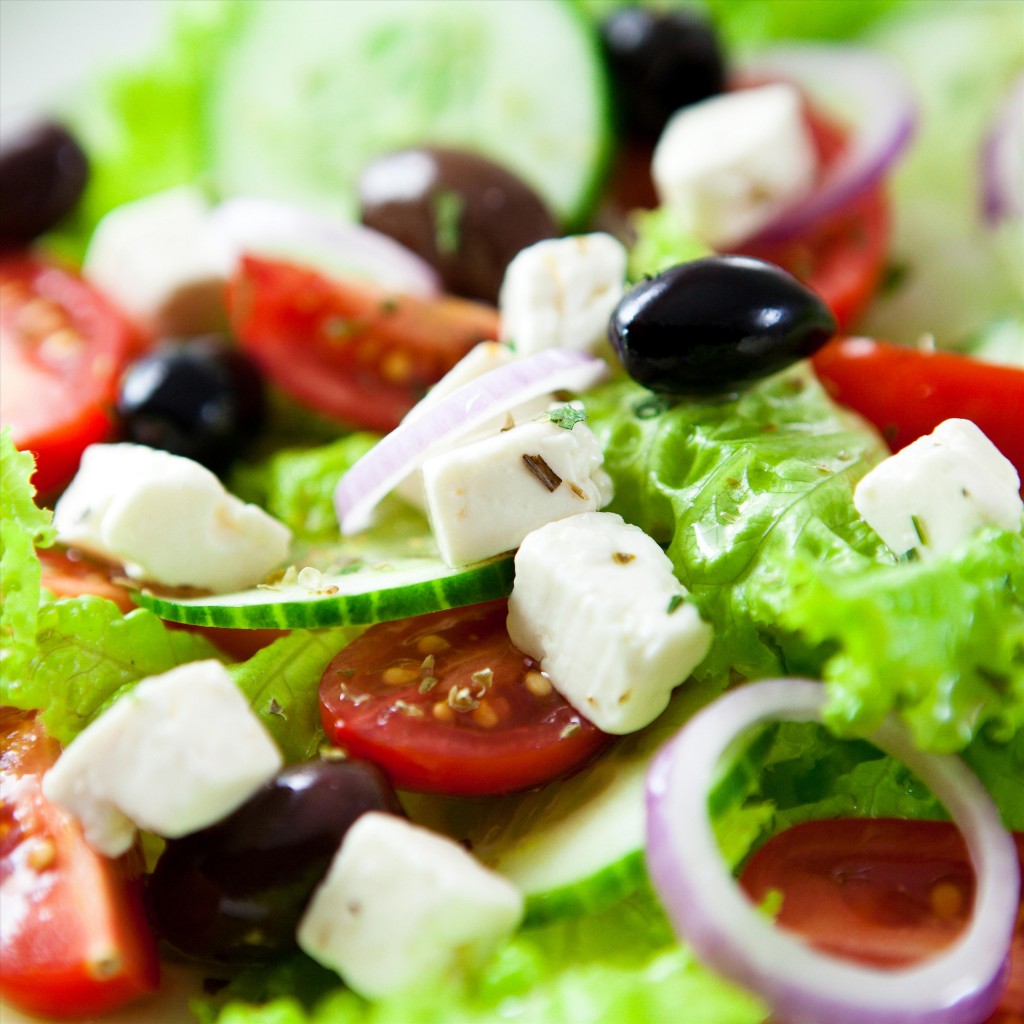
The simplest of all salad dressings is a drizzle of Greek extra virgin olive oil and wedges of lemon on the side – squeeze to taste. For salads with feta cheese like the Greek Salad, I recommend straight olive oil (with a little water). For salads with cucumber, I like oil and vinegar.
For 1 cup of dressing:
Whisk together in a bowl, or place in a tightly covered jar and shake to combine. The dressing will turn a light color with a creamy texture as the oil and vinegar combine.
Tip Add Dill: add 1 teaspoon of dried dill to the dressing nice touch!
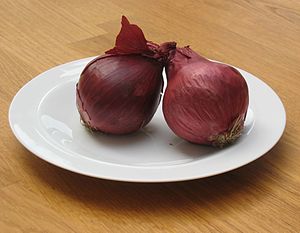
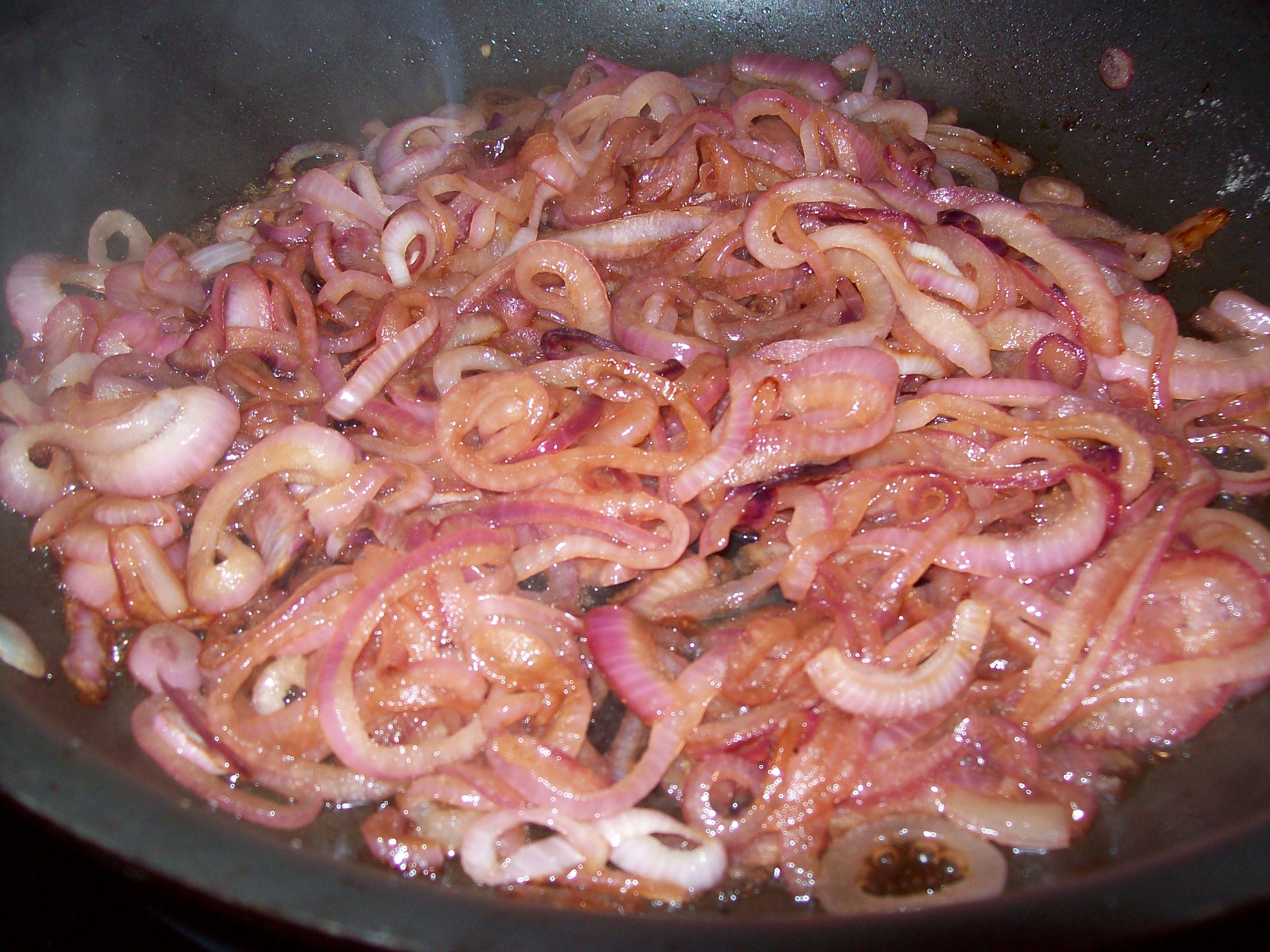
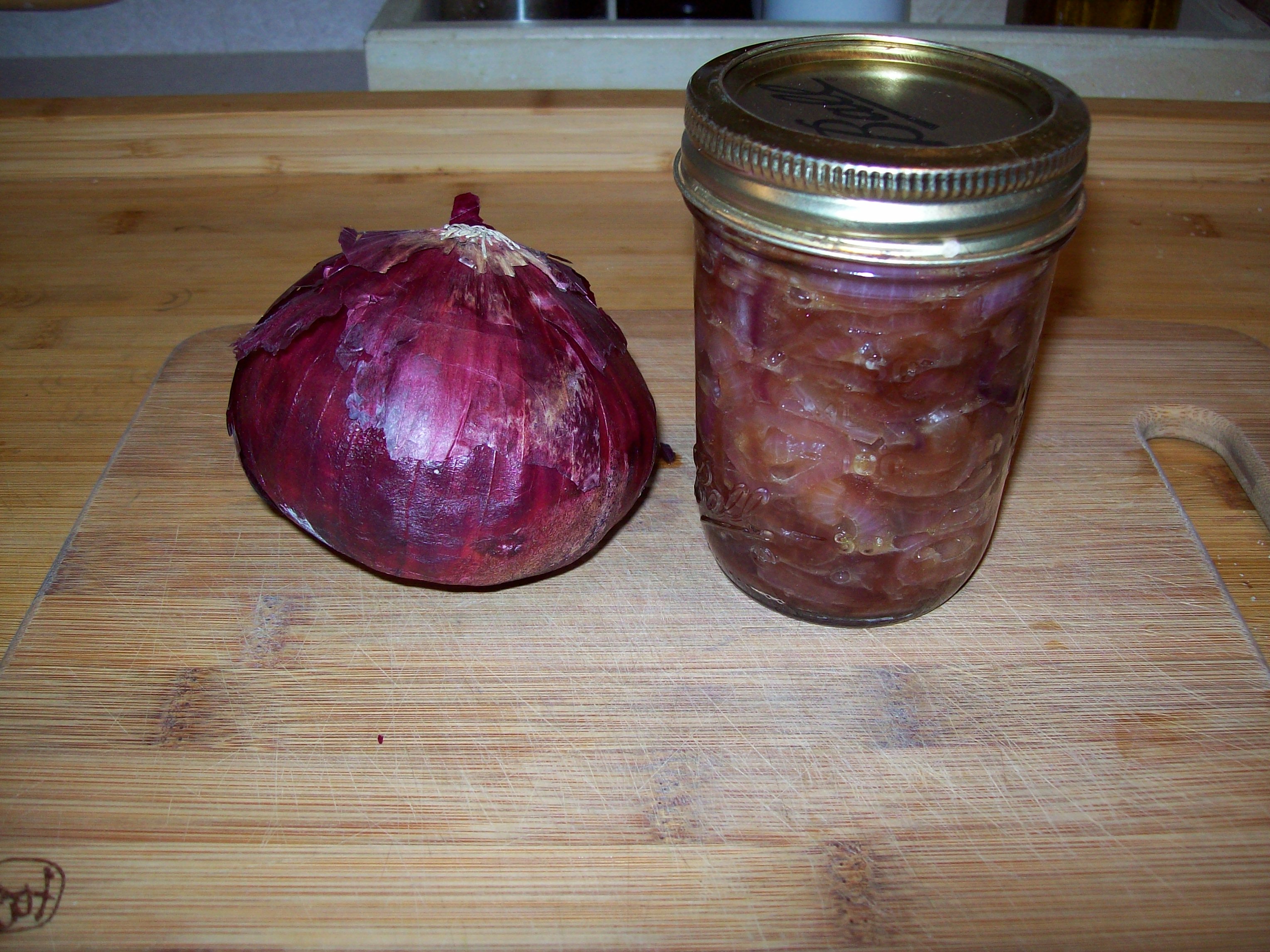
We bought a bunch of red onions and remembered something we had made a long time ago turkey cutlets with red onion relish so I quickly decided we need some of this relish in the frig, it was good on that dish as well as chicken, burgers and on top of a regular salad.
Sweet-meets-savory relish gives a refreshing kick to this quick-to-fix main dish — the only prep step is chopping the onions.
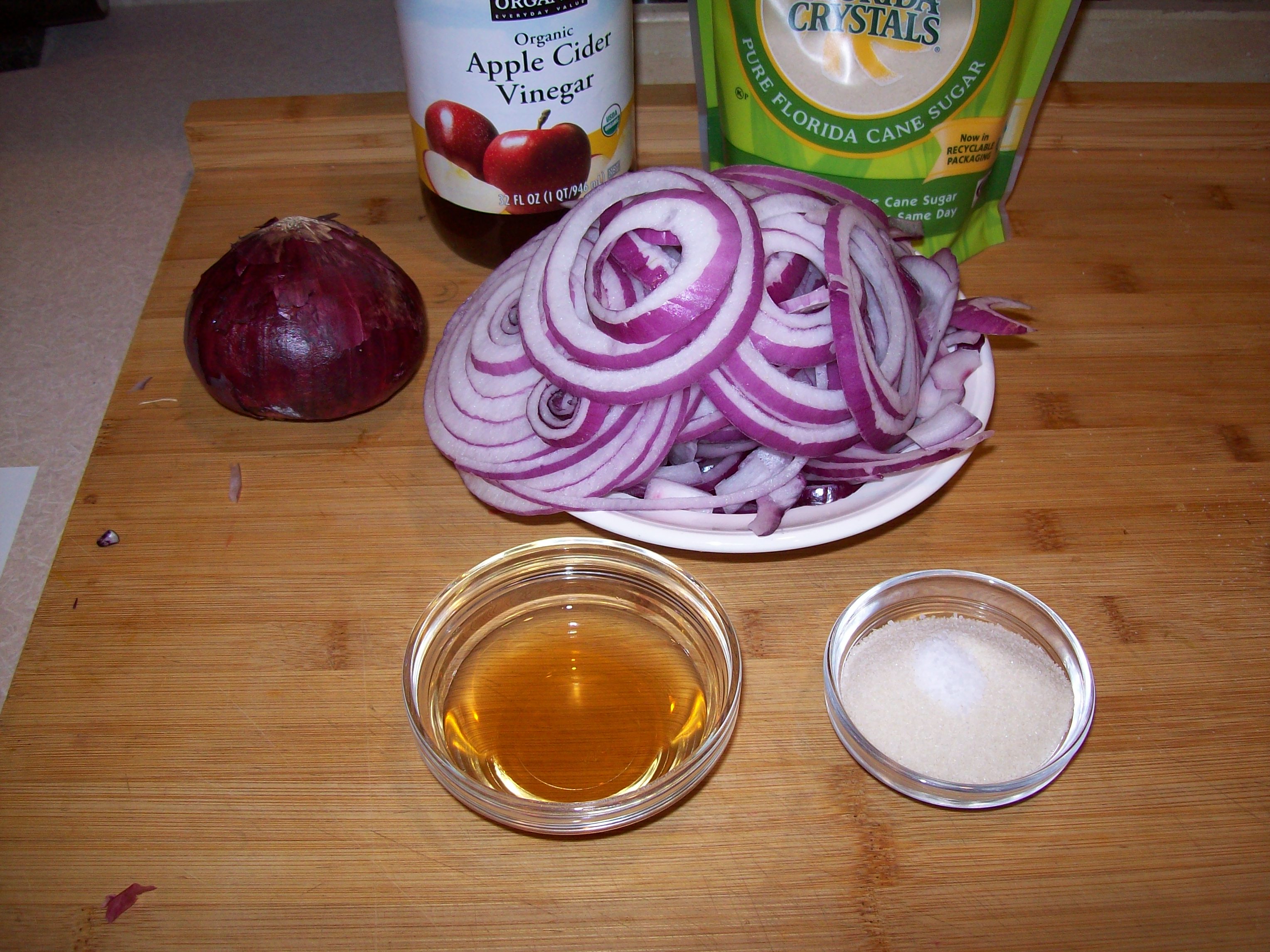
• 1 tablespoon(s) olive oil
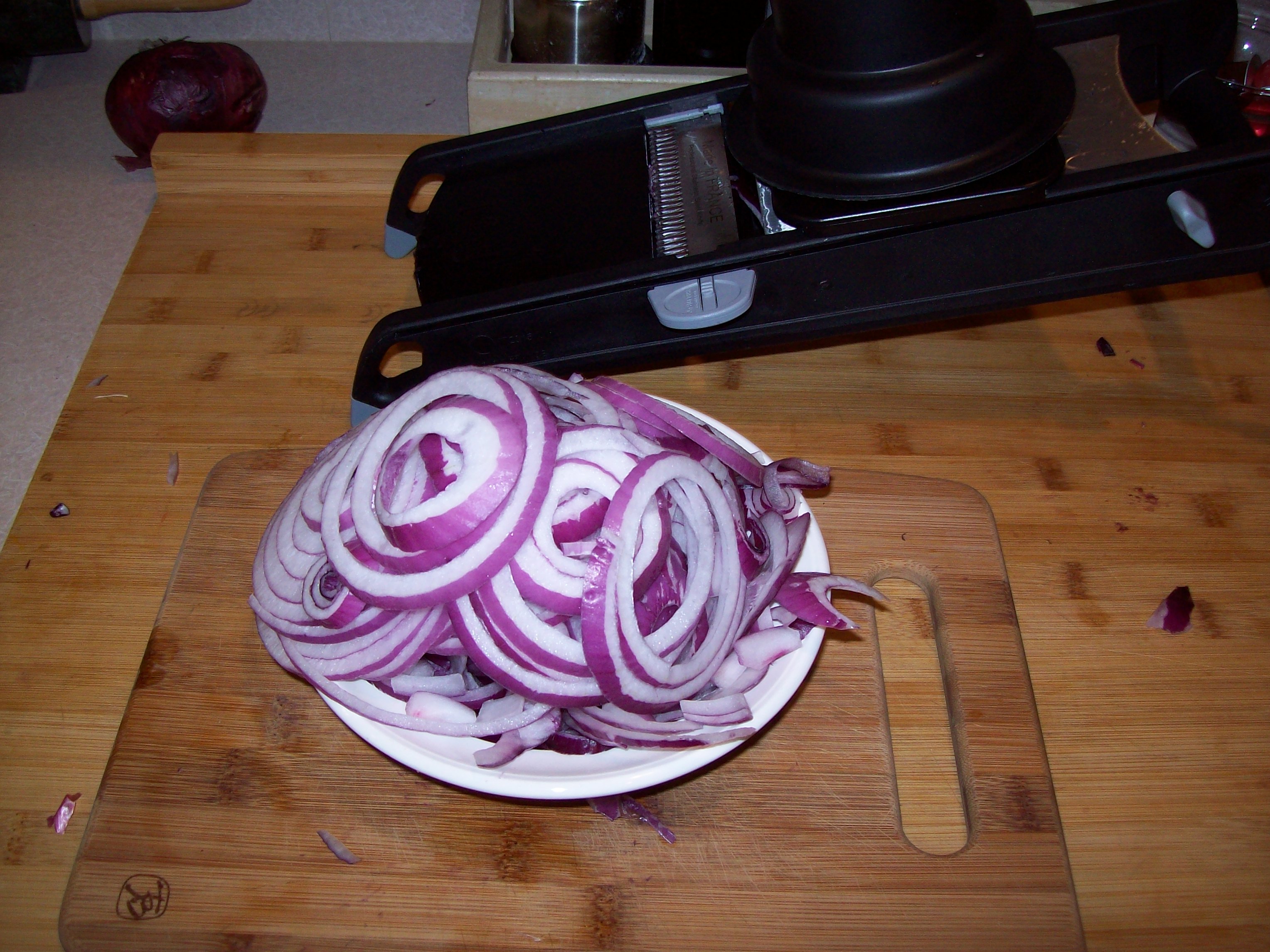
• 1 large (1-pound) red onion, thinly sliced
• 3 tablespoon(s) sugar
• 3 tablespoon(s) cider vinegar
• 1/2 teaspoon(s) salt
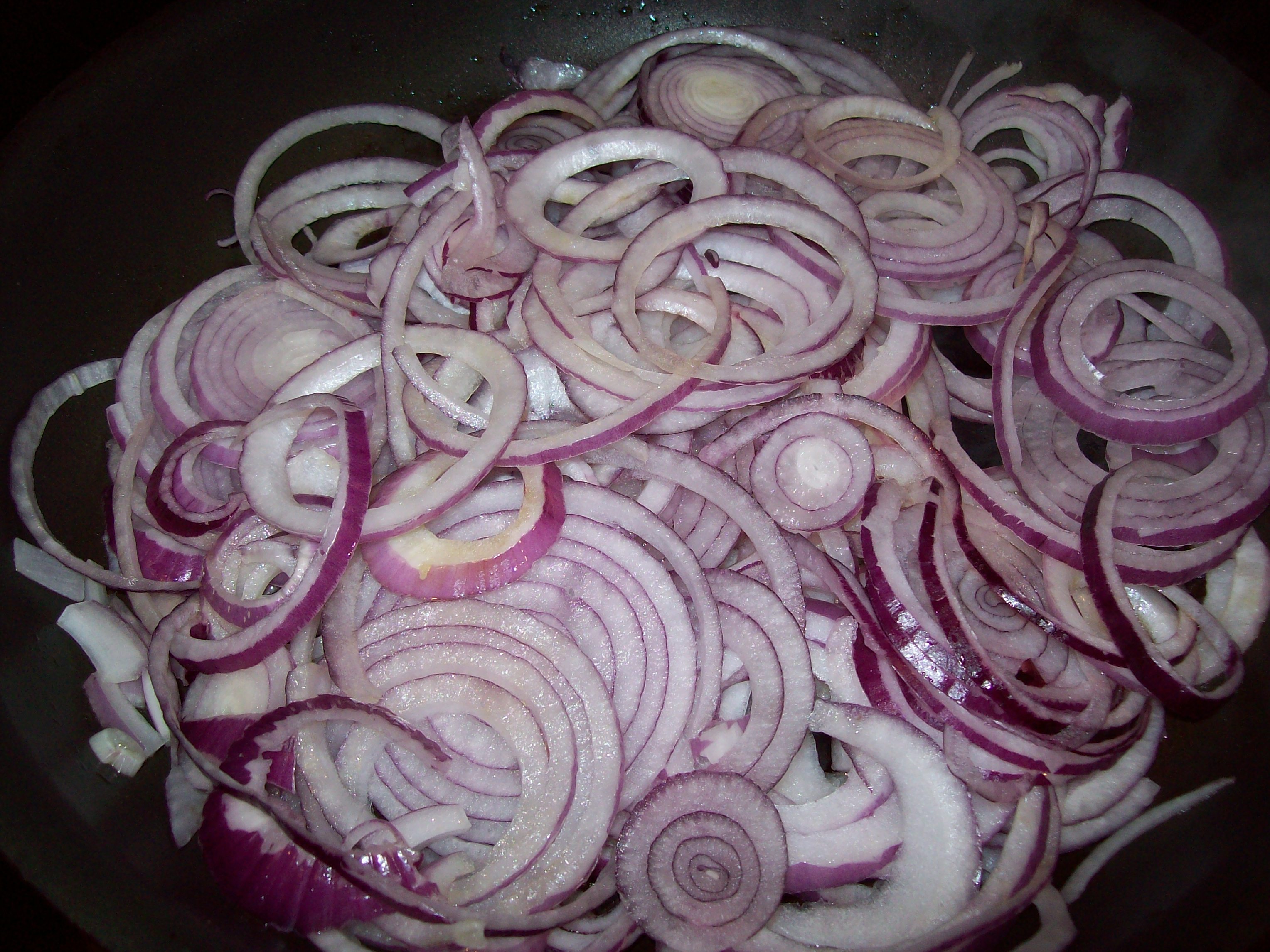
In 12-inch, nonstick skillet, heat 1 tablespoon olive oil on medium 1 minute. Add sliced onion and cook 15 minutes or until very soft, stirring occasionally.
Stir in sugar, cider vinegar, and 1/4 teaspoon salt. Reduce heat to low and simmer 5 minutes longer.
Makes about 1 cup relish.
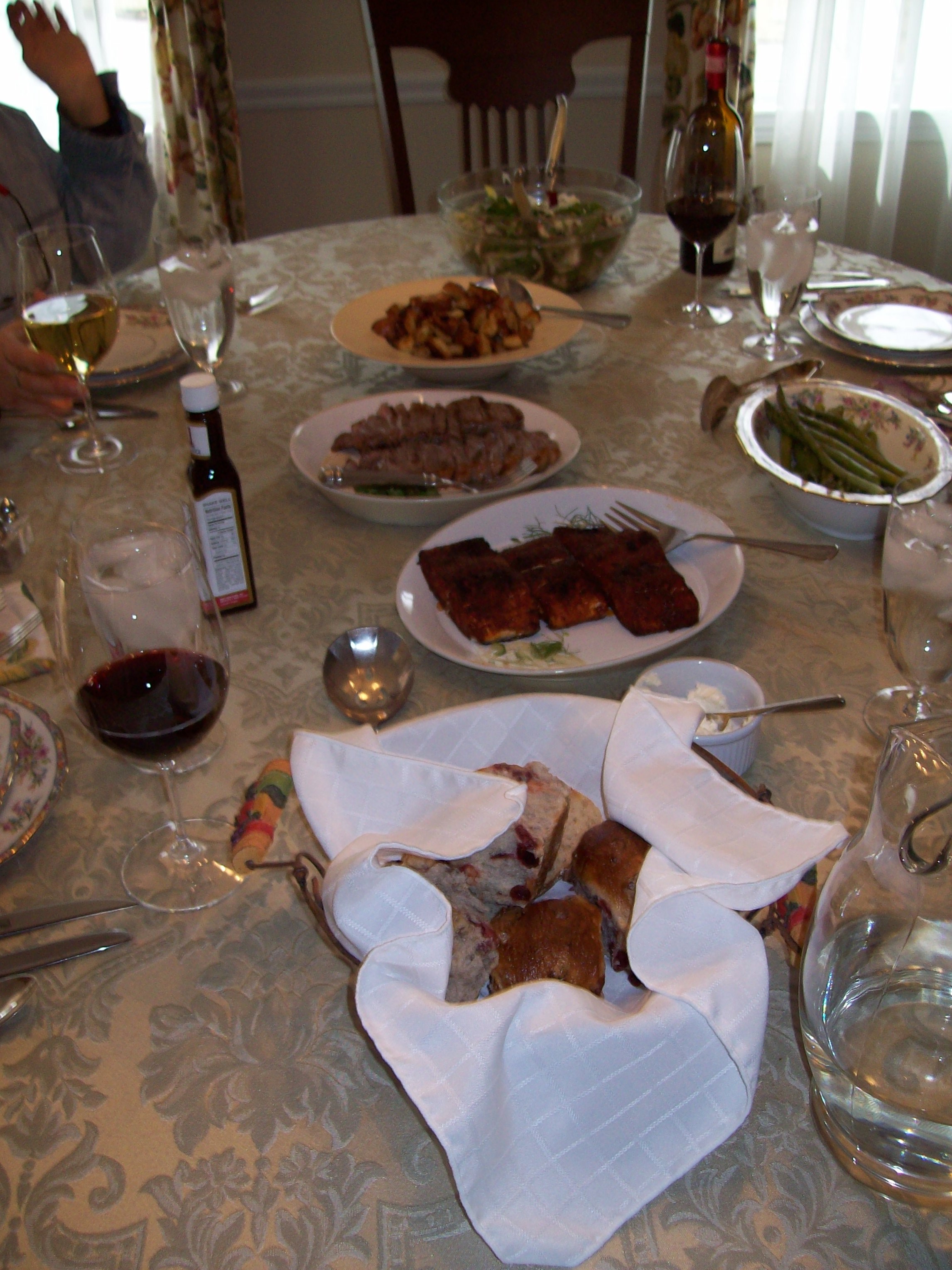
Lyn reminds me that I forgot to mention the salad and also the Wholefoods Cranberry multigrain rolls we had at our Eastover feast. Laurel once made a similar roll but they are much better perhaps someday I will get the recipe but we were there and convenience sometimes rules. We recently decided that Wholefoods bakery is not so good again convenience sometimes rules. I rarely bake to exact a science for me. Although I usually say ½ cup or 2 Tbsp. of this I am guessing for others sake I am really a handful of this a pinch of that kind of guy. Anyway…….

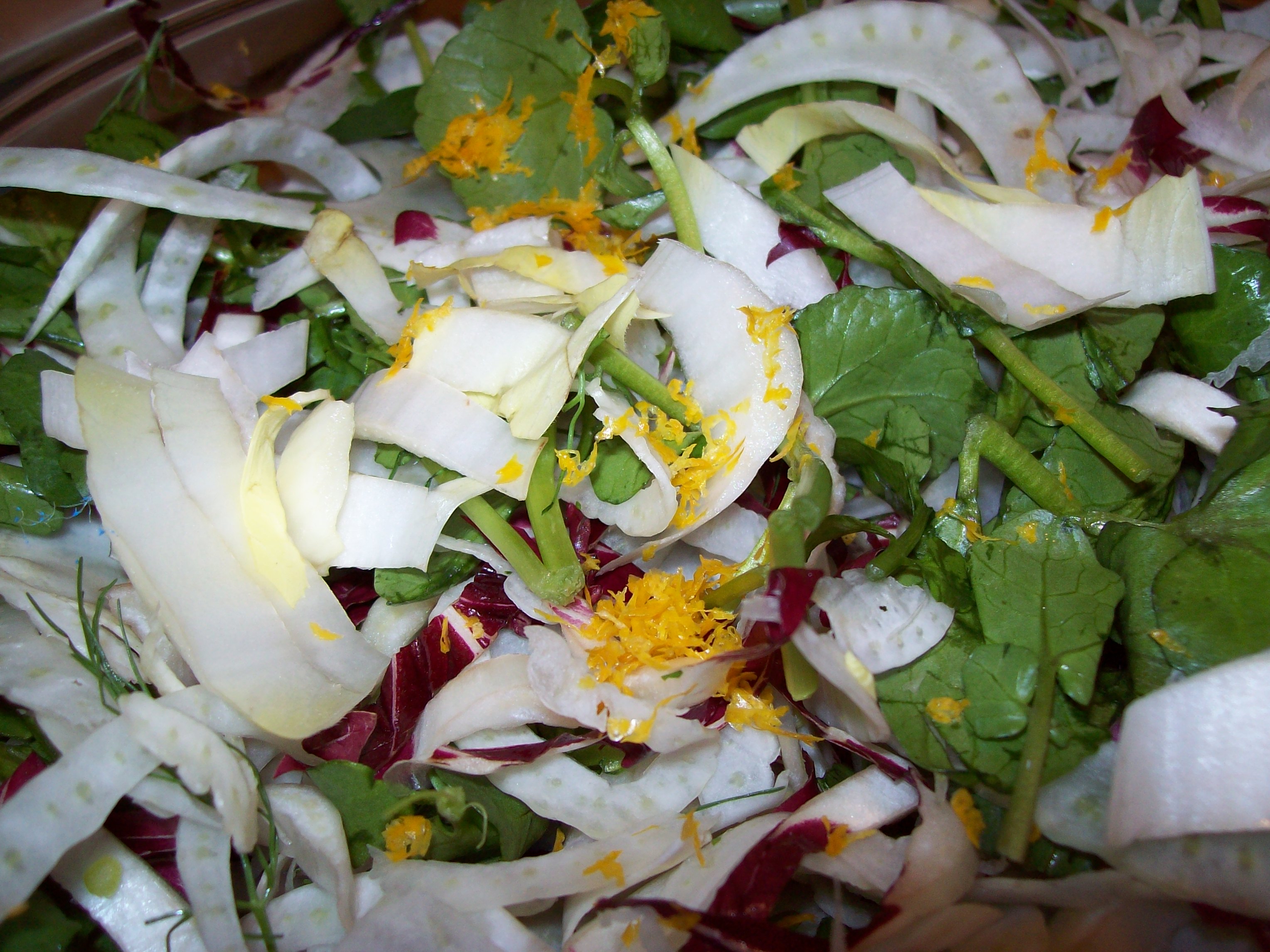
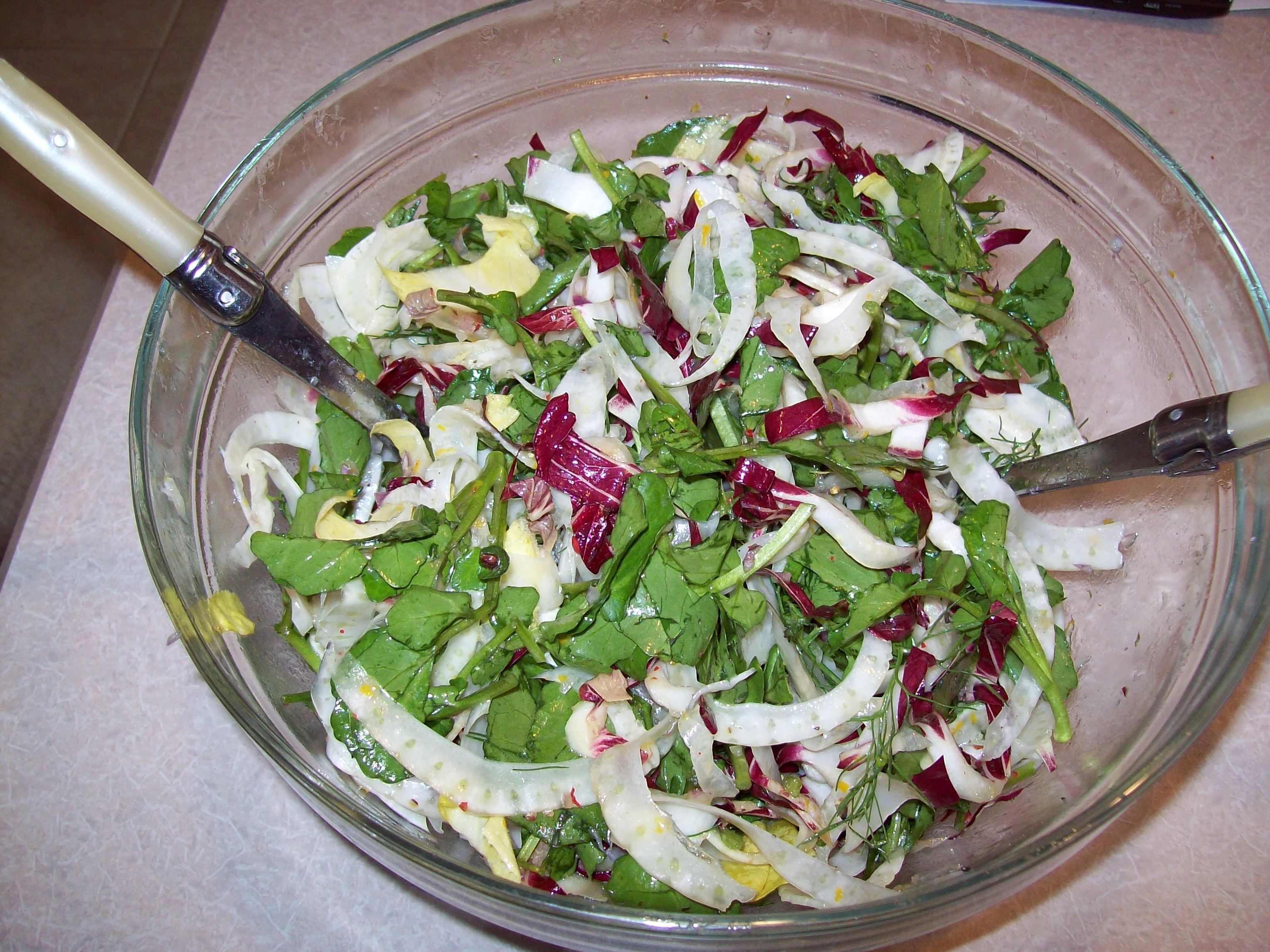
Eastover Surf and Turf BBQ Rub Salmon, Grill NY Strip Steak, Roasted potatoes, Celery root, turnips and carrots, Fennel salad and asparagus.
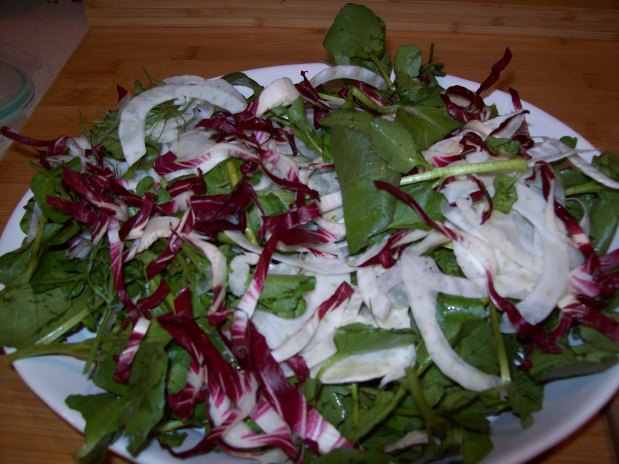
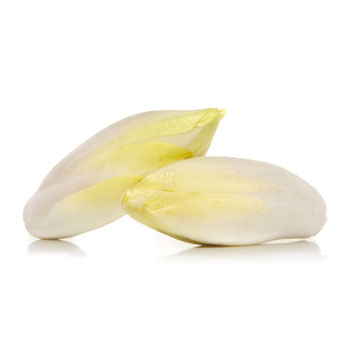
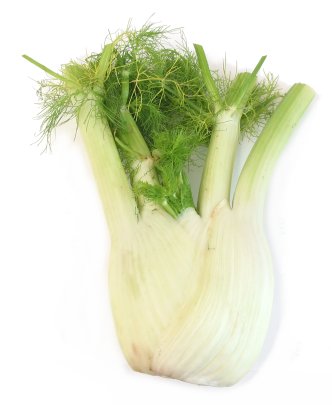
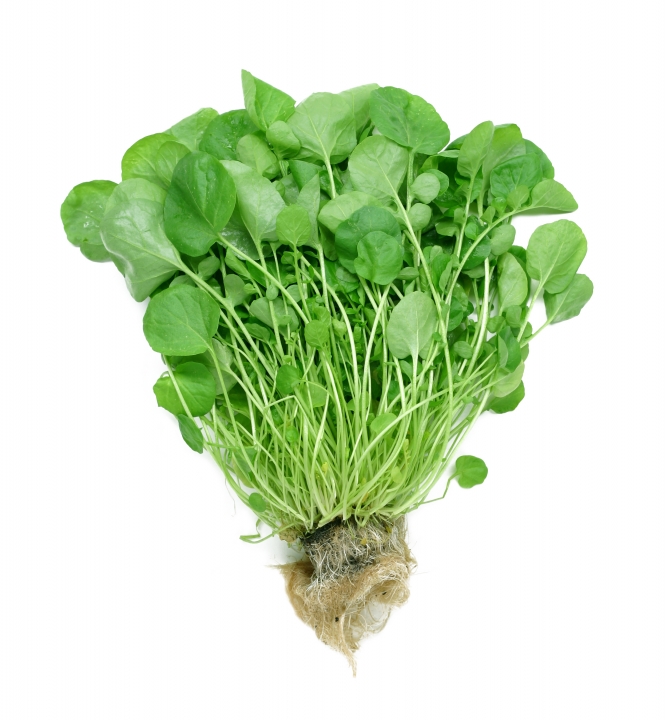
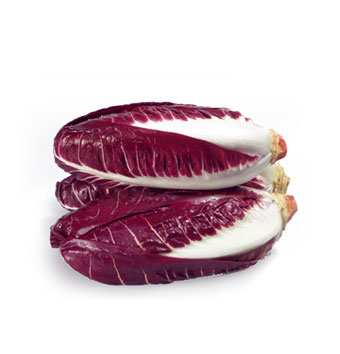
In a bowl, combine the endive, fennel, radicchio, watercress and Meyer lemon zest then toss gently to mix.
Whisk the olive oil, lemon juice, salt, and pepper.
Add half of the dressing and toss gently to coat thoroughly. Drizzle with the remaining vinaigrette and serve immediately..

From http://www.watercress.com/history.aspx
Watercress is the most ancient of green vegetables known to man and its use can be traced back to the Persians, Greeks and Romans. In fact, a famous Persian chronicler advised Persians to feed cress to their children to improve bodily growth. He also strongly recommended its use to the Greek and Persians soldiers of that time.Although these eminent rulers knew nothing of such matters as mineral content and vitamins, they did observe that their soldiers were in better condition when this plant was made part of their daily diet. The Romans, too, looked with favor upon Watercress as a salad. The common method of preparation in those days was with oil and vinegar. It was also served with pepper, cumin seed and lentiscus…leaves of the mastic tree.
When Hippocrates founded the first hospital on the Island of Kos around 400 BC, he grew wild watercress in the natural springs and used it to treat blood disorders.
It is reported that Nicholas Messier first grew watercress in Erfurt, Germany, in the middle of the 16th century. English cultivation started in early 1800, when a farmer near London began to give cress attention as a product of Agriculture to be used in salads. It was not long before its popularity spread and it became increasingly difficult to meet the rather sudden increase in demand for watercress.
The herbalist John Gerard extolled watercress as an anti-scorbutic (remedy for scurvy) as early as 1636. No doubt in those days it was far easier to come by than oranges – a foreign extravagance.
According to the book ‘James Cook and the Conquest of Scurvy’, Captain James Cook was able to circumnavigate the globe three times, due in part, to his use of watercress in his sailors diets. And watercress is recorded as being on the menu for the vary first Thanksgiving with the Pilgrims and the American Indians.
Wherever Watercress has been reported in history, it has been common to eat the crisp green sprigs out of hand, combined with other tender greens in salads and as a garnish on hot and cold dishes. In addition, certain nationalities have made a particular watercress use famous in their country.
For instance, the French are noted for delicious thick soup made of potatoes and watercress, Potage Cressionniere. This is usually served hot, though it is delicious served cold.
The English, of course, are responsible for popularizing the watercress sandwiches. These are now practically standard service, appearing at daily family teas and high teas alike. The Italians, too, did their bit by adding shortcut sprigs of Watercress to their minestrone and other satisfying and hearty vegetable soups. The Chinese have long used watercress sprays in their egg drop, wonton and of course watercress soup.
Here in America, B&W Watercress, Inc. has not only made watercress available easily, but we also developed interesting recipes for using Watercress. These include: watercress salad, soups and sandwiches, dips, entrees and of course the vegetable dishes.

Bring cider, juice and honey to a boil in a small saucepan.
Cook 10 minutes or until reduced to about 2 tablespoons.
Pour into a medium bowl and let cool slightly. Add shallots, vinegar, Dijon salt and pepper stir with a whisk. Gradually add the olive oil stirring constantly with a whisk.
Set aside.
The first time I had something similar to this they served with herb goat cheese on a bed of arugula. We had on hand crumbled feta, cut up oranges, pumpkin seeds, served on a bed of mixed greens. In fact it was at Stonewall Kitchen cooking class and they made a salad very similar this is my adaptation using what we had on hand. Here is a good site to read about varieties of winter squash. There were 2 of us and this made one fine meal, I even skipped dessert that night which for some reason this last year I have become a dessert person so strange to me.
I apologize I was so into cooking that I forgot to take a picture in the pan while cooking.
Ingredients:
How:
Cut off the ends of the squash and scoop out the seed
Cut into ½ inch think rings.
Combine the sugar, salt, pepper and butter in a large bowl. Add the squash and coat.
Heat a large sauté pan over medium heat and place the squash in a single layer. Add apple cider to pan. Allow squash to cook and apple cider to reduce until squash is tender and the glaze begins to caramelize. While pan roasting, turn the squash with a spatula to be sure it browns evenly.
Things I might try next time –
Ingredients
How
Bring cider, juice and honey to a boil in a small saucepan.
Cook 10 minutes or until reduced to about 2 tablespoons.
Pour into a medium bowl and let cool slightly. Add shallots, vinegar, Dijon salt and pepper stir with a whisk. Gradually add the olive oil stirring constantly with a whisk. Set aside.
Crispy Shallots
Ingredients
How
Heat canola oil in a small sauté pan. Toss shallots in rice flour, shaking off excess. Fry rings until crispy and lightly golden. Remove from oil and season with salt. Drain on paper towel. To be honest the first batch burnt, the second was not quite crispy enough, and the next batch was perfect. Sound like a familiar story to you? I used the 2nd and third batch tossed the first. Learned you got to watch them cause they turn real quick.
For my birthday my wife gave us a cooking class at Stonewall Kitchen which was great had a really good time which started with Pina Coladas on the beach but those are both another story for another time.
This post is about my love of Balsamic Vinegar.
A few years back we discovered eighteen year old balsamic vinegar at LeRoux Kitchen in Portland Maine. You can drink this stuff it’s just so good. They are online but also have stores at Martha’s Vineyard, MA and Portsmouth, NH so where Stonewall Kitchen is in York Maine we decided to stay just a few minutes away in Portsmouth NH on the river. Portsmouth has a nice walking downtown with small shops and a lot of restaurants it has the feel of a college town with a touch of tourism to me.
Anyway, armed with our 5 empty bottles we clinked our way to the store and had them refilled. All set for a few months now. Which brings me to the point of this post Vinaigrette dressings they can be simple or complicated but once you get in the habit of making your own fresh you will not go back to the off the shelf bottle. Ok maybe in a pinch.
I mostly wing it but here are a few that I have made or tried. Oh before I forget they are not just for salads so experiment and see. Let me know some of your favorites.
Beat the vinegar in a bowl with the optional sugar, garlic, salt and pepper until sugar and salt dissolves. Then beat in the oil by droplets, whisking constantly. (Or place all the ingredients in a screw-top jar and shake to combine.) Taste and adjust the seasonings.
Ingredients:
Note: With a good quality balsamic you may not need to add a sweetener that depends on your tooth as the saying goes.
Add garlic and vinegars together and let sit overnight to infuse flavors. Strain. (Garlic pieces may be left in for stronger garlic taste.)
Blend oil, vinegars and mustard until mixture is well emulsified. Stir in maple syrup. Add cilantro, pepper and oregano (to taste). Stir and shake well prior to serving.
May substitute vinegar favorites, berry syrups for maple and substitute or add favorite spices to taste. Oil/vinegar ratio may also be adjusted to taste.
Ingredients:
1 teaspoon Dijon mustard
1 shallot, chopped
1/2 teaspoon salt
1 teaspoon sugar
1/2 cup roughly chopped basil leaves
1/4 cup white wine vinegar
3/4 cup olive oil
How:
1 Place the salt, sugar, mustard, shallot and basil in a blender or food processor. Pulse several times to combine. Scrape the sides of the blender down with a spatula. Add the vinegar and pulse again.
2 Turn the blender on low and take off the cap in the center of the blender’s lid. Slowly pour in the olive oil. It may sputter a little out of the open cap, so hold you hand over it to minimize splashing.
3 When the olive oil is incorporated, turn off the blender and scrape the sides down one more time. Cover and purée everything for 1-2 minutes.
Store covered in the fridge for up to a week.
White and Dark balsamic Vinegar
I was told at the class that the difference is the dark is cooked but here is another opinion that backs that up …to say it’s just the color is a little too simple…balsamic vinegar is made from white grapes and are fermented over decades…they take some out after a year and cook it under pressure to maintain its clearness, and that is the white balsamic….the other as I said is left to ferment for years and that’s the dark. Me again..I should add that now a days the grocery stores have a way to speed up the process
I believe with the good stuff that each year stated the vinegar is processed in another barrel.
About Balsamic Vinegar here is an interesting article
Because balsamic vinegar is one of olive oil’s natural companions, we thought it might be useful to discuss in some detail this complex product, especially since prices can fluctuate even more wildly than olive oil (between a $3.00 pint and a $50.00 ounce).
The highest art of vinegar (aceto in Italian) making in Italy is known as Aceto Balsamico Tradizionale (ABT). Sadly, the reputation of this exceptional product has been bastardized by low-grade products bearing the same name and which only ever so faintly resemble the real thing. There are, however, two bits of good news. First, it is quite simple to recognize a ‘real’ ABT. It will be always be sold in one of two distinct bottle types (the difference being that of the two competing DOC’s, Modena and Reggio Emilia, both strictly controlled by respective ‘Consorzios’1). Second, you do not always need the best balsamico for every dish and, in fact, that might be ill-advised even if you could afford it. Read more